Discovering Adelaide
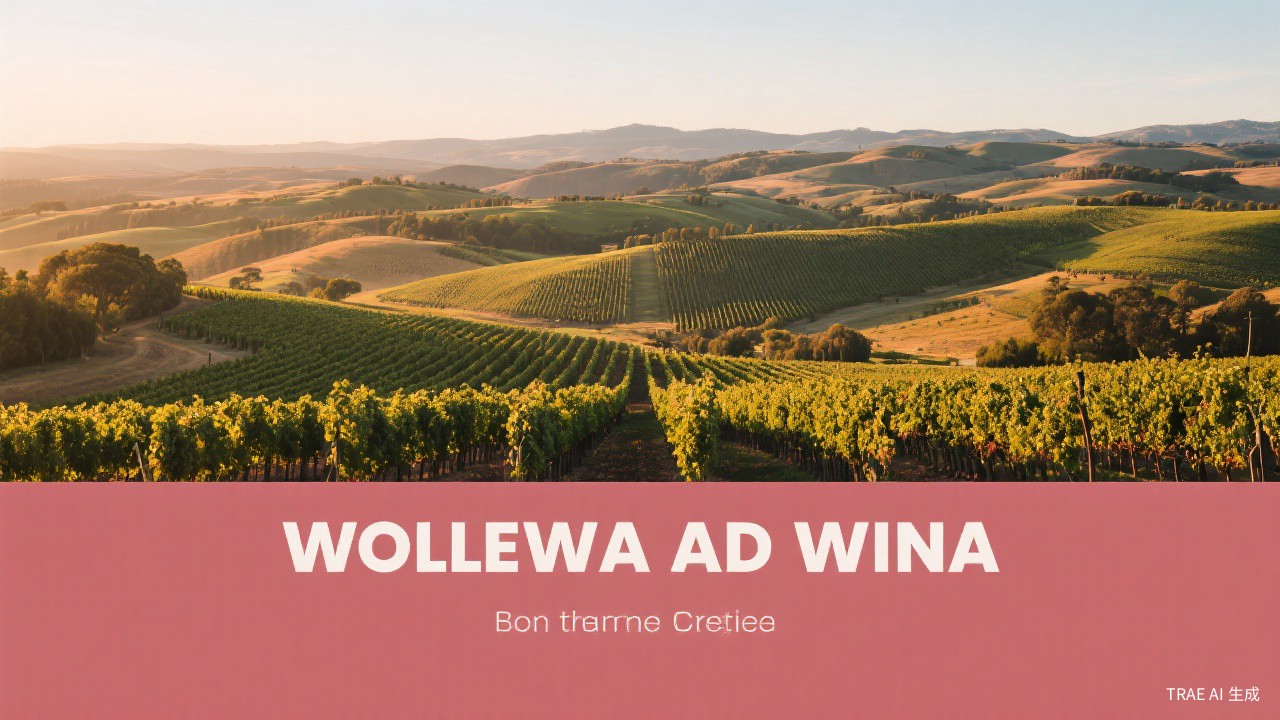
When I first arrived in Adelaide, I noticed how different it felt from Australia's bigger cities. The laid-back pace and abundance of parklands immediately put me at ease. Known as the "City of Churches," the South Australian capital is equally defined by its world-class wine regions, with the Barossa Valley and McLaren Vale both within an hour's travel. I found that the Adelaide Hills provide a cool-climate escape with charming towns like Hahndorf, while the city itself boasts North Terrace's cultural boulevard, home to the Art Gallery of South Australia and the South Australian Museum.
Life in Adelaide moves at a comfortable rhythm. I found myself starting mornings with flat whites in Rundle Street cafes before browsing the Central Market, where Italian, Greek, and Asian vendors have traded for generations. On weekends, the city empties out toward the coast—Henley Beach and Glenelg fill with families, joggers, and people fishing off the jetty. The annual Adelaide Fringe, the second-largest fringe festival in the world, transforms the entire city into a performance space for four weeks each February.
I recommend planning at least three days to cover the essentials: a day in the city visiting the Botanic Garden and Adelaide Oval, a day trip to the Barossa for Shiraz tastings at cellar doors like Penfolds and Seppeltsfield, and a morning exploring the coastal suburbs. The Adelaide Hills are worth a half-day trip for the Mount Lofty Summit views and the German heritage village of Hahndorf. Food lovers will find the city's restaurant scene punches well above its weight, with establishments like Orana and Africola earning international attention.
Best Time to Go
March through May (autumn) is the sweet spot for visiting Adelaide. Temperatures settle between 15 and 25 degrees Celsius, the vineyards turn gold and red, and the major festivals have wound down. The Adelaide Hills are particularly picturesque during these months. If you are visiting for events, the Adelaide Festival and Fringe run through February and March, while WOMADelaide fills Botanic Park with world music in March.
Summer (December to February) brings hot days above 30 degrees and crowded beaches, but it is also when the outdoor cinema season peaks and the cricket at Adelaide Oval draws big crowds. Winter (June to August) is mild by global standards, with daytime temperatures around 12 to 16 degrees—fine for museum visits and wine tasting, though some beach activities slow down.
Getting There and Around
Adelaide Airport (ADL) sits just 6 kilometers west of the city center, with direct flights from Sydney, Melbourne, Brisbane, Perth, and several international destinations including Singapore, Kuala Lumpur, and Doha. A taxi from the airport to the CBD costs roughly AUD 25 to 30, while the JetBus service (routes J1 and J2) runs every 15 minutes for AUD 4. The Great Southern Rail service connects Adelaide to Melbourne (The Overland, 10.5 hours) and to Perth (Indian Pacific, 43 hours).
Within the city, the free tram service along King William Street and North Terrace connects the railway station to the entertainment precinct and Adelaide Oval. Metro buses cover the wider metropolitan area, with a single trip costing AUD 3.60 using a Metrocard. For exploring the wine regions, renting a car is the most practical option—expect to pay AUD 50 to 80 per day. Uber and DiDi operate throughout the metropolitan area.
Where to Stay
The CBD and North Adelaide put you within walking distance of restaurants, the Central Market, and cultural institutions along North Terrace. Hotels like the Mayfair and the InterContinental sit in restored heritage buildings and charge AUD 200 to 350 per night. North Adelaide offers a quieter residential feel with bed-and-breakfasts starting around AUD 150 per night.
Glenelg, a 25-minute tram ride from the city, is the best base for beach access. The Stamford Grand anchors the foreshore with rooms from AUD 180, while smaller apartments along the Esplanade run AUD 120 to 200. The area fills with weekend crowds, so book ahead in summer.
For budget travelers, hostels in the West End near the Central Market offer dorm beds from AUD 30 to 45. The suburb of Kensington, just east of the city, has several well-reviewed guesthouses in the AUD 100 to 140 range and excellent cafe access on King Street.
Must-See Attractions
Adelaide Central Market
Operating since 1869, the Central Market is the oldest continuously running market in Australia. Over 80 traders sell everything from fresh seafood at the Samtass brothers' stall to artisan cheeses at the Smelly Cheese Shop. Join a market tour on Tuesday, Thursday, or Friday morning for tastings and stories from long-time vendors. The adjacent Chinatown precinct adds dumpling houses and Asian grocery stores to the mix.
Cost: Free to browse | Times: Tue 7 AM-5:30 PM, Wed 9 AM-5:30 PM, Thu-Sat 7 AM-3 PM
Art Gallery of South Australia
Located on North Terrace, this gallery holds one of the most important collections of Aboriginal and Torres Strait Islander art in the country, alongside significant European and Asian works. The free permanent collection spans 35,000 pieces. Temporary exhibitions have recently featured contemporary Indigenous artists and major international touring shows. Allow two hours for a thorough visit.
Cost: Free (some exhibitions AUD 15-25) | Open: Daily 10 AM-5 PM
Barossa Valley Wine Region
Just 60 kilometers northeast of Adelaide, the Barossa is Australia's most famous wine region, producing Shiraz that commands global attention. Cellar doors like Penfolds Magill Estate, Seppeltsfield, and Henschke offer tastings ranging from AUD 10 to 50. The Barossa Farmers Market on Saturday mornings is a local institution. Many wineries require advance bookings for guided tours.
Admission: Tastings AUD 10-50 per winery | Hours: Most cellar doors 10 AM-5 PM daily
Adelaide Botanic Garden
Spread over 50 hectares, the Botanic Garden contains a spectacular Victorian-era Palm House, the Bicentennial Conservatory with tropical rainforest plants, and the First Nations Peoples' Garden highlighting Indigenous plant use. Free guided walks run daily at 10:30 AM. The adjacent Santos Museum of Economic Botany is a quirky gem displaying plant specimens and their commercial uses.
Cost: Free | Times: Daily 7:15 AM-dusk
Glenelg Beach and Jetty
Adelaide's most popular beach stretches along Holdfast Bay, with a long timber jetty extending 400 meters into the gulf. The Beachouse amusement park at the end of the jetty area has a historic carousel and waterslides. Dolphin-watching cruises depart from the marina. The sunset views from the end of the jetty, with the city skyline in the distance, are a local favorite.
Cost: Free (cruises from AUD 35) | Times: Beach always open; shops 9 AM-9 PM
Food and Drink
South Australian Shiraz and Barossa Valley Tastings — Penfolds Magill Estate and Seppeltsfield, Barossa Valley. AUD 15-50 per tasting.
Haigh's Chocolates and Beehive Corner — Rundle Mall, Adelaide CBD. AUD 5-30.
Seafood Platter at the Oyster Bar — Adelaide Central Market. AUD 25-45.
Afghan-style flatbread and kebabs — Afghan Gallery Restaurant, Adelaide CBD. AUD 18-28.
Practical Tips
• The free tram zone covers the CBD, North Adelaide, and the entertainment precinct along King William Street.
• The Adelaide Metrocard works on all buses and trains; top up at stations or convenience stores.
• Many cellar doors in the Barossa require bookings, especially on weekends—plan at least a week ahead.
• The Central Market is closed Sundays and Mondays; visit Tuesday through Saturday for the full experience.
• Adelaide is one of Australia's driest cities—bring a water bottle and sunscreen year-round.
Traveler's Tip
Book a sunset session at the SkyCity's Orbit Bar, a rotating restaurant 36 floors above the city. The 360-degree views stretch from the Mount Lofty Ranges to the coast, and the cocktail list is excellent. Arrive 30 minutes before sunset for the best light.