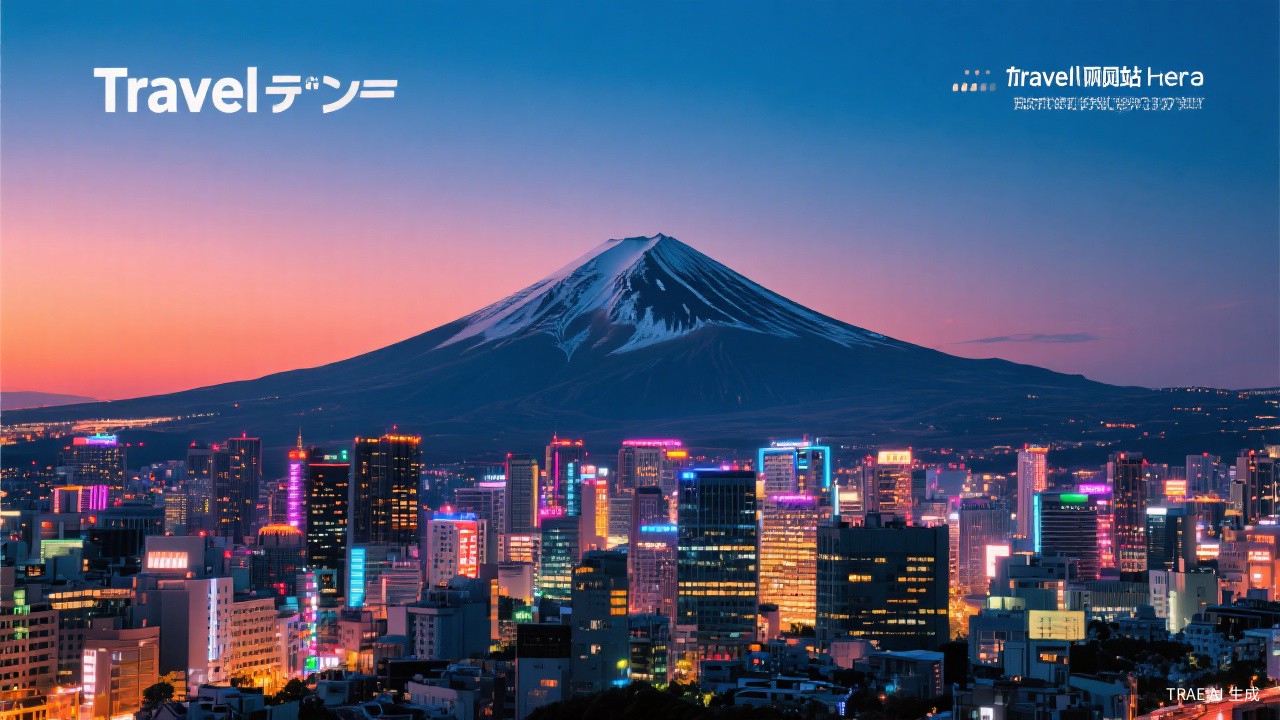
My first morning in Tokyo, I got lost trying to find a coffee shop in Shibuya. What should have been a five-minute walk turned into an hour of wandering through backstreets where elderly women swept sidewalks and shopkeepers shouted their morning greetings. I never found that coffee shop, but I discovered a tiny bakery where the owner, speaking no English, handed me the best melon pan I have ever tasted.
Tokyo hits you differently than any other city. One moment you're standing before the serene Senso-ji Temple in Asakusa, incense smoke curling around you as locals pray. The next, you're crossing Shibuya's famous scramble crossing with 2,500 other people, surrounded by neon screens and the energy of a city that never sleeps. This contrast defines Tokyo: ancient shrines next to robot restaurants, quiet alleyways of golden-lit izakayas beside gleaming skyscrapers.
What defines Tokyo special isn't just the sights—it's the details. The way train station jingles differ by line (the Yamanote's gentle melody versus the Keihin-Tohoku's electronic chirp). The precision of trains arriving within seconds of their scheduled time. The department store basements (depachika) filled with everything from ¥200 onigiri to ¥50,000 wagyu beef boxes. The tiny yakitori stalls under train tracks where salarymen gather after work, grilling chicken skewers over charcoal since the 1950s.
Tokyo rewards the curious. Spend a morning at Tsukiji Outer Market eating fresh sushi for breakfast, an afternoon exploring the vintage clothing stores of Shimokitazawa, and an evening getting lost in the narrow lanes of Golden Gai—six alleys packed with over 200 tiny bars, some seating only five people. This is a city where you can eat at a three-Michelin-star restaurant or grab a ¥380 bowl of ramen from a vending machine, and both experiences will be memorable. The city's neighborhoods each possess distinct personalities, from the electronic wonderland of Akihabara to the fashion-forward streets of Harajuku.
Cherry Blossoms vs Autumn
Visit during Tokyo depends on what you want to experience. Spring (late March to early April) brings cherry blossoms, when the city's parks and riverbanks explode in pink. Ueno Park, Shinjuku Gyoen, and the Meguro River canal become picnic grounds for hanami (flower viewing) parties. Hotel prices spike 30-50% during this period, and popular viewing spots get crowded by mid-morning.
Autumn (November to early December) offers another peak season with momiji (red maple leaves). The weather is crisp and comfortable, around 15-20°C, perfect for walking. Rikugien Garden and Koishikawa Korakuen are particularly beautiful during this time. Summer (June to August) is hot and humid, often exceeding 35°C, but it's festival season. The Sumida River Fireworks in late July draw nearly a million spectators. Winter (December to February) is cold but clear, with fewer tourists and lower hotel rates. The illuminations along Omotesando and in Roppongi Hills create a magical atmosphere.
JR Pass & Suica Card
Tokyo is served by two airports: Narita (NRT), about 60km east of the city, and Haneda (HND), just 14km south of central Tokyo. Haneda is more convenient—the Keikyu Line reaches Shinagawa Station in 13 minutes (¥300), while the Tokyo Monorail connects to Hamamatsucho in 13 minutes (¥500). From Narita, the Narita Express (N'EX) takes 53 minutes to Tokyo Station (¥3,250), while the Keisei Skyliner reaches Ueno in 41 minutes (¥2,470). The cheaper Keisei Main Line takes about 70 minutes (¥1,030).
Within Tokyo, the JR Yamanote Line is your best friend—a loop line connecting all major districts including Tokyo, Shinjuku, Shibuya, Ueno, and Ikebukuro. A full loop takes about 60 minutes. The subway system (Tokyo Metro and Toei Subway) covers areas the Yamanote doesn't reach. Get a Suica or Pasmo IC card (¥500 deposit) to tap on all trains, buses, and even convenience stores. A 24-hour subway pass costs ¥800, while a 72-hour pass is ¥1,500—good value if you're making multiple trips daily.
Taxis are expensive but clean and reliable. The base fare is ¥500 for the first 1.052km, then increases. A ride from Shinjuku to Shibuya costs about ¥1,500-2,000. Walking is often underrated—many central districts are closer than they appear on maps. Shinjuku to Shibuya is a pleasant 30-minute walk through trendy neighborhoods.
Shinjuku vs Shibuya vs Asakusa
Shinjuku is the most convenient base for first-time visitors. It's a major transit hub with the Yamanote Line, multiple subway lines, and direct trains to Narita and Haneda. The area around Shinjuku Station is busy 24/7, with department stores, restaurants, and entertainment. Hotels start at budget business hotels (¥8,000-12,000/night) to luxury options like the Park Hyatt Tokyo (¥50,000+/night), famous from "Lost in Translation."
Shibuya appeals to younger travelers and those interested in fashion and nightlife. The area around Shibuya Station has undergone massive redevelopment, with new hotels like Shibuya Stream Excel Hotel Tokyu. Prices are similar to Shinjuku, but the vibe is more youthful. Asakusa offers a traditional atmosphere at lower prices. You'll find family-run ryokan and business hotels for ¥5,000-10,000/night. It's quieter at night but farther from central Tokyo.
Ginza is ideal for luxury travelers, with high-end hotels like the Peninsula and Mitsukoshi. Weekend afternoons see the main street closed to traffic, creating a pedestrian paradise. Roppongi is popular with expats and offers international dining and nightlife, though it can be seedy in parts. For budget travelers, capsule hotels (¥3,000-5,000/night) offer a uniquely Japanese experience, though luggage space is limited.
Temples, Anime & TeamLab
Senso-ji Temple
Tokyo's oldest temple, founded in 645 AD, draws over 30 million visitors annually. Enter through the Kaminarimon (Thunder Gate), with its giant red lantern, and walk down Nakamise-dori—a shopping street selling everything from traditional snacks to souvenirs. The main hall, rebuilt after WWII bombing, houses a golden image of Kannon, the goddess of mercy. The five-story pagoda next door is particularly photogenic at sunset. Admission is free; the temple grounds are open 24 hours, though shops close by 6 PM.
Admission: Free | Open: Grounds 24/7, Main hall 6 AM-5 PM
Shibuya Crossing
The world's busiest pedestrian crossing sees up to 3,000 people cross at once during peak times. The best viewing spot is the Starbucks on the second floor of the Tsutaya building, or the free observation deck at the new Shibuya Sky complex (¥1,800). Visit at night for the full neon experience. The nearby Hachiko statue commemorates the loyal dog who waited for his master at the station every day for nine years after his death.
Cost: Free | Hours: Always open
Meiji Shrine
Dedicated to Emperor Meiji and Empress Shoken, this Shinto shrine sits in a 170-acre forest planted with 100,000 trees donated from across Japan. The massive torii gates at the entrance are made from 1,500-year-old cypress. On weekend mornings, you might see traditional weddings processing through the grounds. The Inner Garden (¥500) features iris beds that bloom in June. The adjacent Harajuku district offers a stark contrast with its youth fashion and street food.
Tickets: Free (Inner Garden ¥500) | Times: Sunrise to sunset
Tsukiji Outer Market
While the wholesale fish market moved to Toyosu in 2018, the outer market remains a food lover's paradise. Arrive before 8 AM to avoid the longest lines. Must-try items include fresh oysters (¥500-800), tamagoyaki (sweet rolled omelet, ¥100), and sushi breakfast at places like Sushi Dai (expect 1-2 hour waits) or the more accessible Zetton. The market has over 400 shops and stalls. Most close by early afternoon.
Tickets: Varies by item | Times: 5 AM-2 PM (most shops)
teamLab Borderless
This digital art museum in Odaiba offers an immersive experience unlike any other. Wander through rooms where projections respond to your presence—flowers bloom at your feet, waterfalls part as you approach, and lanterns change color when touched. The "Forest of Resonating Lamps" is particularly magical. Book tickets online in advance (¥3,200); they sell out days ahead. Plan for 2-3 hours. The museum is in the Palette Town complex, accessible via the Yurikamome Line.
Tickets: ¥3,200 | Hours: 10 AM-7 PM
Akihabara
The center of otaku culture offers multi-story arcades, manga cafes, electronics stores, and shops dedicated to anime figures and collectibles. Super Potato is a retro gaming paradise with floors of vintage consoles and games. Yodobashi Camera Akiba is a nine-story electronics store where you can find almost anything. Maid cafes, where servers dress in French maid costumes and treat customers as "master," are a unique (if surreal) experience. Expect to pay ¥1,000-2,000 for a drink and the novelty.
Admission: Free to browse | Hours: Most shops 10 AM-8 PM
Ramen, Sushi & Izakaya
Sushi at Tsukiji — For the freshest sushi breakfast, arrive at Tsukiji Outer Market by 6 AM. Sushi Dai and Daiwa Sushi are legendary but have long waits. For a quicker option, try any of the smaller stalls offering set meals for ¥2,000-4,000. The tuna is particularly outstanding—often caught the same morning.
Ramen in Shinjuku — Shinjuku's "Omoide Yokocho" (Memory Lane) is a narrow alley of tiny yakitori stalls, but for ramen, head to Ichiran in Kabukicho or Fuunji near the station. Fuunji's tsukemen (dipping noodles) has a rich, fish-based broth that draws hour-long lines. Expect to pay ¥900-1,200 for a bowl.
Tempura at Tsunahachi — This Shinjuku institution has been serving tempura since 1923. Sit at the counter and watch the chef fry shrimp, fish, and vegetables in light, crispy batter. The tendon (tempura over rice) lunch set is ¥1,500-2,500. Dinner courses start at ¥4,000.
Izakaya in Golden Gai — This network of six narrow alleys contains over 200 tiny bars, some seating only five people. Many specialize in specific themes—from punk rock to French literature. Most charge a cover fee (¥500-1,000) plus drinks. It's atmospheric and uniquely Tokyo.
Conveyor Belt Sushi — For budget sushi, try Sushiro or Kura Sushi, where plates start at ¥100-115. The quality is surprisingly good, and you can order specific items via tablet. A satisfying meal costs ¥1,500-2,500. These chains have locations throughout Tokyo.
Cash, Trains & Etiquette
• Get a Suica or Pasmo card immediately upon arrival. It works on all trains, subways, buses, and even convenience stores. You can get one at any train station ticket machine.
• 7-Eleven, FamilyMart, and Lawson convenience stores are everywhere and offer ATMs that accept foreign cards. They also sell quality meals for ¥300-600—great for budget breakfast.
• Most restaurants display plastic food models in windows. You can point to order if you don't speak Japanese. Many also have picture menus or English menus available.
• Trains stop running around midnight. If you miss the last train, taxis are expensive (¥2,000+ for short distances). Many people stay out until the first trains around 5 AM.
• Tipping is not expected and can cause confusion. Good service is standard. If you leave extra money, staff may chase you down thinking you forgot it.
Traveler's Tip
Spend your first morning walking without a destination. Let the streets guide you.