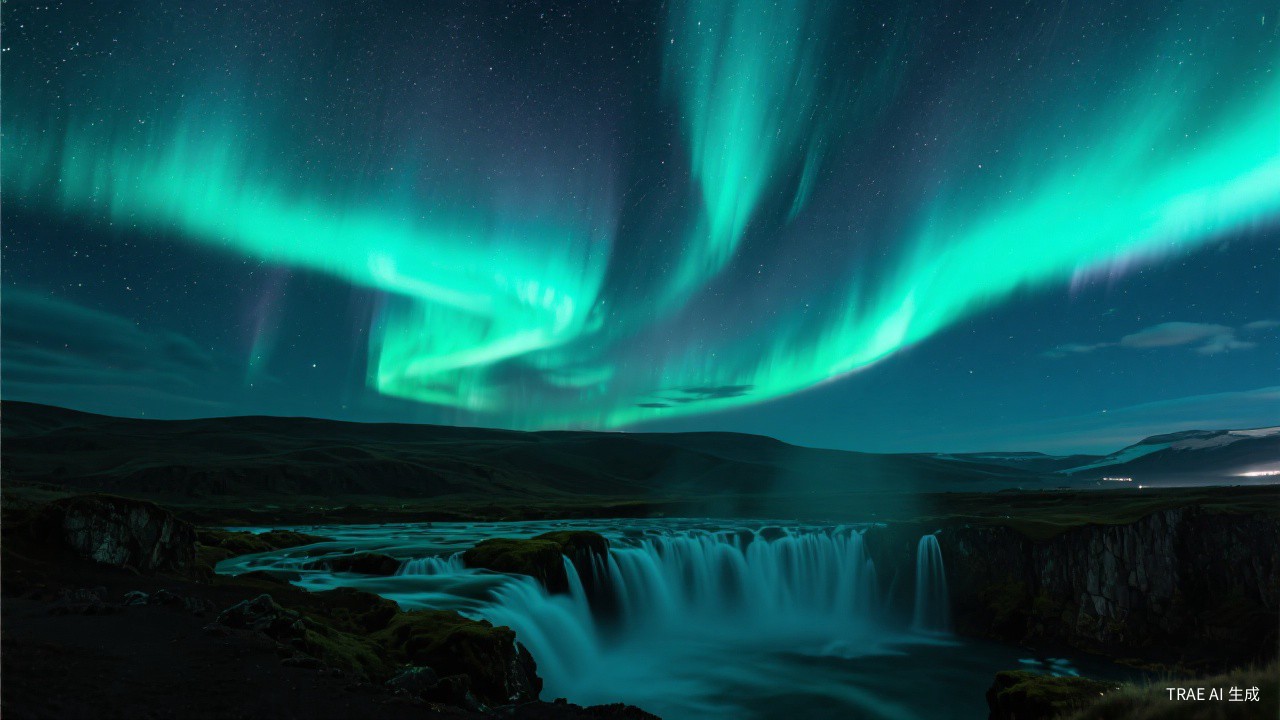
The Northern Lights appeared at 2 AM while I was driving the Ring Road, alone and exhausted. I pulled over on a desolate stretch near Akureyri, stepped out into the freezing air, and watched green curtains dance across the sky. For twenty minutes, I forgot about my hotel, my itinerary, my camera. I just stood there, crying in the cold, feeling impossibly small and impossibly alive.
Iceland is not like anywhere else on Earth. This island nation straddling the Mid-Atlantic Ridge offers a scene that feels almost alien—volcanoes covered in glaciers, geysers erupting from frozen ground, and waterfalls cascading from cliffs into black sand beaches. The raw, untamed beauty here has made it a favorite for photographers, filmmakers, and anyone seeking experiences that feel genuinely wild.
What defines Iceland truly special is the contrast. One moment you're soaking in a geothermal hot spring surrounded by snow, the next you're walking on a glacier that's thousands of years old. You can travel through lava fields, hike behind waterfalls, and watch whales breach in fjords—all in a single day if you plan it right. The Northern Lights dance across winter skies from September to April, while summer brings the midnight sun when it never truly gets dark.
The Ring Road (Route 1) circles the entire island, offering access to remote villages, hidden hot pots, and terrain that changes dramatically around every bend. This is a place where nature still rules—the weather can shift from sunshine to blizzard in minutes, and volcanic eruptions occasionally close airports and reshape the land. Iceland teaches you to embrace uncertainty and find beauty in the unexpected. The country's Viking heritage adds another layer of fascination, with sagas and folklore woven into the dramatic scenery.
Northern Lights Season
Visit during depends on what you want to experience. Summer (June to August) offers the mildest weather, with temperatures around 10-15°C and nearly 24 hours of daylight. This is peak season for the Ring Road, hiking, and whale watching. Prices are highest and accommodations book up months in advance.
Winter (November to March) brings the Northern Lights and a completely different experience. Days are short (4-5 hours of daylight in December), but the aurora borealis can appear on clear nights. Winter is also the time for ice caves, glacier hiking, and fewer tourists. Temperatures hover around 0°C in Reykjavik but can drop much lower inland.
Shoulder seasons (May and September) offer a good balance. May has longer days and lower prices, though some highland roads remain closed. September brings autumn colors and the start of aurora season. Both months see fewer crowds than summer while still offering decent weather for driving and hiking.
Driving the Ring Road
Keflavik International Airport (KEF) is Iceland's main gateway, located about 50km from Reykjavik. The Flybus and Airport Express shuttles connect to the city center in about 45 minutes (€25-35 one way). Taxis cost around €150-180 to Reykjavik—only worth it if you're splitting costs or have lots of luggage.
Most visitors rent a car to explore beyond Reykjavik. The Ring Road (Route 1) is paved and accessible to regular cars in summer. For winter driving or highland routes, a 4x4 is essential. Car rentals are expensive (€80-200/day), and insurance is crucial—gravel damage and wind-related incidents are common. Gas costs around €2.20/liter.
Within Reykjavik, the city is walkable, and local buses cover most areas. For day trips without a car, numerous tour companies offer excursions to the Golden Circle, Blue Lagoon, and South Coast. These cost €80-150 per tour but include transportation and guides. Domestic flights connect Reykjavik to Akureyri and Egilsstaðir for exploring the north and east.
Guesthouses & Campsites
Reykjavik is the natural base for most visitors, with the widest range of accommodations. The city center offers hostels (€40-60/night), guesthouses (€100-150), and hotels (€200-400+). Book well in advance for summer. The city has excellent restaurants, bars, and museums, plus easy access to day tours.
Vik on the south coast is a good overnight stop for exploring Reynisfjara black sand beach and the Mýrdalsjökull glacier. Accommodations are limited and fill quickly. Höfn in the southeast is famous for lobster and glacier views, with several guesthouses and hotels.
Akureyri in the north is Iceland's second-largest town, with more affordable accommodations than Reykjavik. It's a good base for Lake Mývatn and the north. Camping is popular in summer, with well-equipped campgrounds throughout the country. Some have cabin options for those without tents. Farm stays offer a more authentic experience, often including breakfast made from local ingredients.
Waterfalls, Glaciers & Geysers
Golden Circle
This classic route covers three major sites in a day trip from Reykjavik. Þingvellir National Park is where the North American and Eurasian tectonic plates meet—you can walk between continents. Geysir geothermal area features the active Strokkur geyser erupting every 6-10 minutes. Gullfoss waterfall thunders into a canyon, creating rainbows on sunny days. The entire loop is about 300km and can be done in 6-8 hours.
Cost: Free (parking fees may apply) | Open: Always open
Blue Lagoon
Iceland's most famous geothermal spa features milky blue water at 37-40°C, rich in silica and sulfur. The lagoon is man-made but uses naturally heated seawater. Book well in advance—tickets sell out weeks ahead in summer. Standard entry costs €80-100, including silica mud mask. The lagoon is near Keflavik Airport, making it a convenient first or last stop.
Cost: €80-100 | Hours: 8 AM-10 PM (varies by season)
Skógafoss Waterfall
One of Iceland's largest waterfalls, Skógafoss drops 60 meters with a width of 25 meters. The spray often creates double rainbows on sunny days. A staircase with 527 steps leads to the top for panoramic views. According to legend, a treasure chest is hidden behind the falls. The nearby Skógar Museum displays Icelandic cultural artifacts.
Admission: Free | Times: Always open
Jökulsárlón Glacier Lagoon
This glacial lake is filled with icebergs calving from Breiðamerkurjökull glacier. Seals often swim among the floating ice. Boat tours (€45-90) take you among the icebergs, and you can walk along the black sand Diamond Beach where ice chunks wash ashore. The lagoon has appeared in films including "James Bond: Die Another Day." It's about a 5-hour trip from Reykjavik.
Admission: Free (boat tours extra) | Hours: Always open
Reynisfjara Black Sand Beach
This dramatic black sand beach near Vik features basalt column formations and the Reynisdrangar sea stacks rising from the ocean. It's one of Iceland's most photographed spots. Warning: "sneaker waves" can sweep people out to sea—never turn your back on the water and stay away from the surf line. The beach is a 2.5-hour trip from Reykjavik.
Tickets: Free parking | Hours: Open 24 hours
Northern Lights
The aurora borealis appears from September to April on clear, dark nights. The best viewing is away from city lights. Many tours operate from Reykjavik (€50-80), but you can also travel yourself to dark locations. Check the Icelandic Met Office aurora forecast. The lights appear as green, purple, or pink curtains dancing across the sky—a truly magical experience.
Cost: Free (tours extra) | Hours: Clear dark nights, Sept-Apr
Icelandic Specialties
Lamb Soup (Kjötsúpa) — This traditional Icelandic soup features tender lamb, root vegetables, and herbs in a hearty broth. It's perfect for cold weather and found at most restaurants. Try it at Café Loki in Reykjavik for an authentic version. Expect to pay €15-20.
Skyr — This Icelandic dairy product resembles thick yogurt but is technically a cheese. It's high in protein and low in fat, often served with berries or as part of breakfast. Available at every grocery store—try the plain version with local honey.
Hot Dogs (Pylsur) — Icelandic hot dogs are made from lamb, beef, and pork. The most famous spot is Bæjarins Beztu Pylsur in Reykjavik, a small stand that's been operating since 1937. Order "ein með öllu" (one with everything) for the full experience. Cost: €4-5.
Fermented Shark (Hákarl) — This traditional dish is an acquired taste—fermented Greenland shark that's been cured for months. It has a strong ammonia smell and taste. Try it at the Icelandic Flea Market in Reykjavik if you're adventurous. Most locals don't eat it regularly.
Fresh Fish — Icelandic waters produce excellent fish—cod, haddock, Arctic char, and herring. Try the fish and chips at Reykjavik Fish Restaurant or any local restaurant. The fish is incredibly fresh, often caught the same day. A fish dinner costs €25-40.
Weather & Packing
• Pack layers. The weather changes constantly—sunny one minute, raining the next. Waterproof outer layers are essential.
Book Blue Lagoon and accommodations months in advance for summer travel. Iceland has limited capacity.
• Never turn your back on the ocean at black sand beaches. Sneaker waves are dangerous and have caused fatalities.
• Download offline maps. Cell service is spotty in remote areas. Maps.me or Google Maps offline work well.
Bring a headlamp for winter travel. Daylight is limited, and you'll need it for evening activities.
Traveler's Tip
Plan for multiple nights if chasing Northern Lights. Give yourself 3-4 nights to maximize chances.