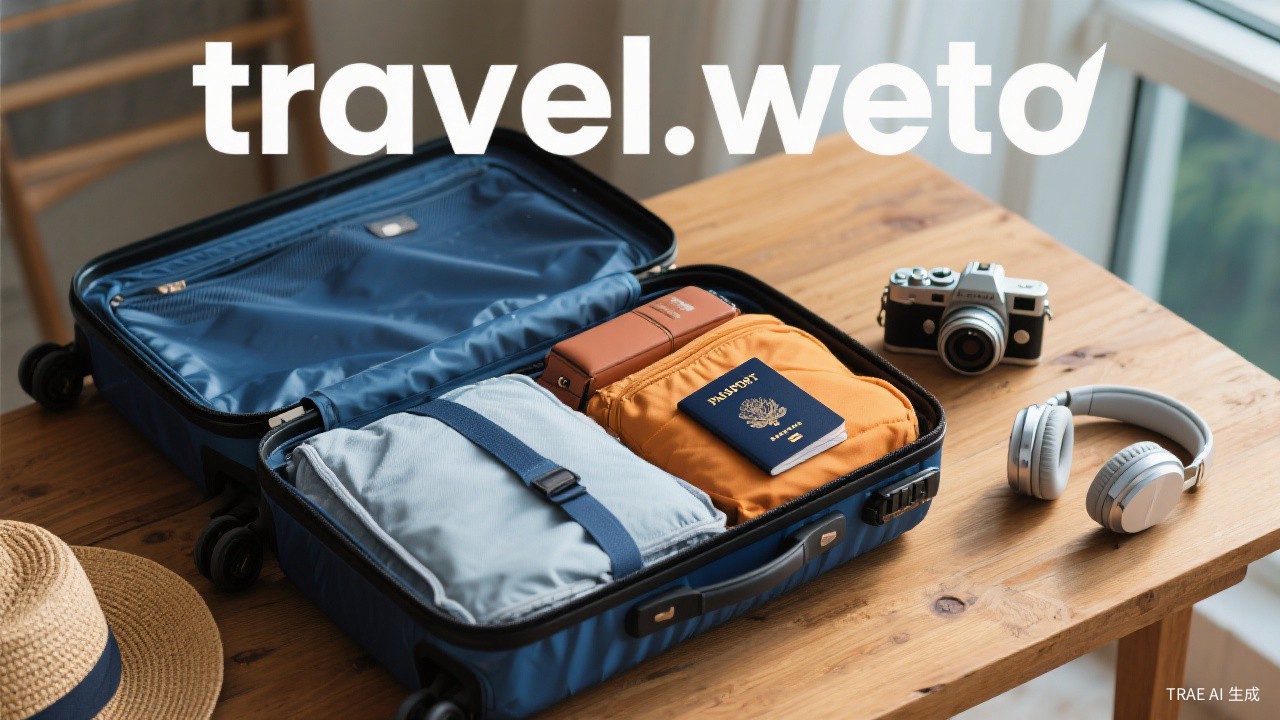
I once packed a 65-liter backpack for a two-week trip to Italy. By day three, I was leaving things in hotel rooms just to lighten the load. In Florence, I met a woman traveling for six months with only a 20-liter daypack. She had three shirts, two pairs of pants, and a kind of freedom I envied. That night, I donated half my belongings to a local charity shop. The relief was immediate and permanent.
Packing is a skill that improves with practice. The difference between an overpacked traveler struggling with heavy bags and a light packer moving freely through stations and airports is not about what they can afford—it is about what they have learned. Packing light does not mean sacrificing comfort or preparedness. It means bringing what you need and nothing more.
The benefits of traveling light extend beyond convenience. Light packers save money on baggage fees, move more easily through crowded streets and transit, and experience less stress when flights are delayed or connections are tight. They can change plans spontaneously without being weighed down by possessions.
This guide covers strategies for packing light while staying prepared for various situations and destinations.
Traveling with Less
Mobility is the primary benefit. When your bag fits in overhead bins, under bus seats, and in locker storage, you can go anywhere. Heavy bags limit your options—they force you to take taxis instead of walking, store luggage instead of exploring, and plan around your baggage rather than your interests.
Stress reduction is significant. Light packers do not worry about lost luggage, baggage fees, or hauling heavy bags up hostel stairs. They can run to catch a train or walk a mile to a cheaper hotel without considering their bags. This freedom transforms the travel experience.
Packing light also saves money. Checked bag fees on budget airlines can exceed the ticket price. Tips for porters and taxi fares add up. Laundry costs less than buying more clothes. The savings compound over a long trip.
The One-Bag Philosophy
Carry-on only travel is achievable for most trips. A 40-45 liter backpack or rolling bag holds everything needed for trips from weekend getaways to months-long journeys. The key is choosing versatile items that serve multiple purposes.
Start with a packing list and then cut it by a third. Most people pack for worst-case scenarios that rarely occur. You do not need a different outfit for every day. You do not need items "just in case." Pack for what will likely happen, not what might happen.
Choose a color palette. When everything matches everything, you create more outfits with fewer items. Neutrals with one or two accent colors work best. This approach reduces the number of shoes and accessories needed.
Clothing Strategy
Choose fabrics carefully. Merino wool and synthetic blends resist odors, dry quickly, and pack small. Cotton is comfortable but slow-drying and bulky. For most trips, wool or synthetic t-shirts, one long-sleeve layer, and a lightweight jacket provide enough options.
Layer rather than bulk. A base layer, mid-layer, and shell jacket provide more temperature flexibility than one heavy coat. Layers can be worn separately or combined. They pack smaller and dry faster than bulky items.
Limit shoes to two pairs: one comfortable walking shoe and one that works for evenings or specific activities. Shoes are the bulkiest items. Every additional pair requires significant space. Wear your heaviest pair in transit.
Toiletries and Electronics
Decant products into smaller containers. You do not need full-size bottles for most trips. Solid toiletries (shampoo bars, solid perfume, toothpaste tablets) save space and pass through security easily. Many items can be purchased at your destination.
Minimize electronics. A smartphone replaces camera, GPS, entertainment, and guidebook for most travelers. If you need a laptop, consider a tablet with keyboard. Consolidate chargers—a multi-port USB charger is more efficient than multiple adapters.
Bring only the adapters you need. Research plug types at your destination. Universal adapters are bulky; region-specific ones are smaller. Many hotels have USB ports built in now.
Packing Techniques
Rolling clothes saves space and reduces wrinkles compared to folding. For maximum compression, use packing cubes. These keep items organized and compressed. One cube for tops, one for bottoms, one for underwear and socks.
Wear your bulkiest items in transit. Your heaviest shoes, warmest jacket, and bulkiest pants should be on your body, not in your bag. This approach significantly reduces packed weight and volume.
Use dead space. Socks inside shoes. Small items inside hats. Every cavity can hold something. This attention to detail adds up to significant space savings.
Destination-Specific Considerations
Hot climates require less clothing but more attention to fabrics. Lightweight, breathable materials in light colors keep you cool. Sun protection matters—a hat and lightweight long sleeves may be more comfortable than sunscreen alone.
Cold climates require more bulk, but layering still works. Thermal base layers, a warm mid-layer, and a windproof shell provide warmth without excessive weight. Rent specialty items like ski gear at your destination rather than packing them.
Formal destinations need not mean heavy packing. A dark blazer or cardigan dresses up casual clothes. A scarf or tie adds formality without bulk. Many formal items can be rented at destinations.
Specialized Packing for Different Climates
Cold weather packing requires strategic layering. Start with a moisture-wicking base layer, add an insulating mid-layer like fleece or down, and top with a waterproof shell. This system handles temperature variations better than one heavy coat. Pack hand warmers and a good hat for extreme cold.
Hot weather packing seems simpler but has its challenges. Lightweight, breathable fabrics in light colors keep you cooler. A hat with brim provides essential sun protection. Consider clothing with built-in UPF protection for intense sun exposure. Pack more underwear than you think you need—humidity makes fresh changes essential.
Rainy destinations require waterproofing strategy. A good rain jacket is essential. Consider waterproof bags for electronics and documents. Quick-dry clothing reduces misery when everything gets wet. Pack plastic bags for separating wet items from dry.
Organizing Your Packed Bag
Packing cubes have transformed how many people travel. These zippered containers compress clothing and keep categories separated. You can find what you need without unpacking everything. Use different colors for different categories or family members.
Rolling vs. folding is an ongoing debate. Rolling generally saves space and reduces wrinkles for most items. That said, some structured garments fold better. Experiment with both methods to find what works for your wardrobe.
Keep essentials accessible. Items you need during travel—phone charger, snacks, jacket, entertainment—should be easy to reach. Pack these last or in an outer pocket. Digging through your entire bag at security or on a plane is frustrating.
Packing Like a Pro
Practice packing before your trip. Pack your bag, carry it around, and see how it feels. You will quickly identify what is unnecessary. Better to discover this at home than on the road.
Leave space for souvenirs. If your bag is stuffed at departure, you have no room for purchases. Pack at 80% capacity to allow for things you acquire.
Remember that you can buy things. Almost everything is available worldwide. The specific brand you prefer might not be, but functional equivalents exist. This realization liberates you from overpacking.
Traveler's Tip
Lay out everything you want to bring, then remove half. After your first trip with a smaller bag, you will realize you never missed the things you left behind. Start with less and add only after proven need.