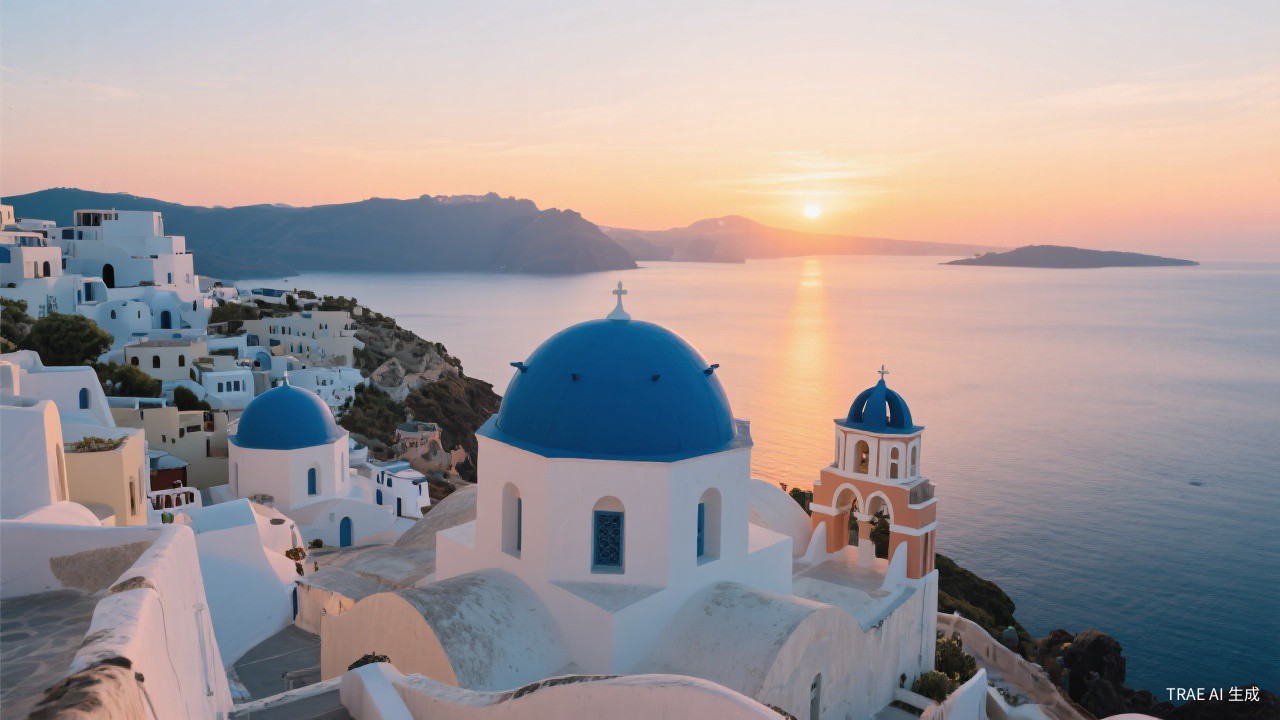
I woke at 5 AM to photograph the famous blue domes of Oia, only to find fifty other photographers already set up with tripods. Disappointed, I wandered down a side path and discovered a tiny chapel with a single blue dome, no tourists, and a local woman baking bread in the adjacent house. She invited me in for coffee. That unplanned moment became my favorite memory of Greece.
Santorini is the Greece of postcards—whitewashed buildings with blue domes perched on volcanic cliffs, overlooking an endless expanse of Aegean blue. This crescent-shaped island was formed by a massive volcanic eruption around 1600 BC, which some scholars link to the legend of Atlantis. The caldera views alone make it one of the world's most photographed destinations.
What defines Santorini special beyond the views is the quality of light. The island sits where the Aegean meets the Mediterranean, and the combination of volcanic soil, sea spray, and endless sunshine creates a luminosity that has attracted artists for centuries. Sunsets in Oia are legendary—crowds gather each evening to watch the sun sink into the caldera, often applauding when it disappears.
The island offers more than pretty views. Black sand beaches from volcanic activity, ancient ruins at Akrotiri (a Bronze Age city preserved like Pompeii), and vineyards producing distinctive wines from grapes grown in volcanic soil add depth to the experience. The villages of Oia and Fira are undeniably touristy, but explore the quieter towns of Pyrgos, Megalochori, or Emporio for a more authentic taste of Cycladic life.
Sunset Season
Visit during Santorini is late spring (May to June) or early autumn (September to October). The weather is warm but not scorching (20-28°C), the sea is warm enough for swimming, and crowds are manageable. These shoulder seasons also offer better prices on accommodations.
Summer (July to August) brings peak crowds, high temperatures (30-35°C), and the highest prices. Hotels book up months in advance, and the narrow streets of Oia become packed with cruise ship passengers. If you visit in summer, explore early morning or late evening, and avoid days when multiple cruise ships are in port.
Winter (November to March) sees most hotels and restaurants close. Many ferries stop running, and the island feels almost deserted. That said, it's a peaceful time to experience local life, with mild temperatures (10-15°C) and dramatic winter storms over the caldera. Some restaurants in Fira remain open year-round.
ATV, Bus & Walking
Santorini has a small airport (JTR) with flights from Athens (45 minutes) and seasonal flights from European cities. The airport is basic and can get crowded. Ferries from Athens (Piraeus) take 5-8 hours depending on the vessel. High-speed ferries take about 5 hours, conventional ferries 7-8 hours. Book ferries in advance for summer travel.
Public buses connect major towns, but schedules can be limited. A bus from Fira to Oia takes about 30 minutes (€1.80). Taxis are available but can be hard to find in peak season. A taxi from the airport to Oia costs €35-45. Many visitors rent ATVs or cars, but parking in villages is extremely limited and roads are narrow and winding.
Walking between towns is possible but challenging due to the steep terrain. The Fira to Oia hike (10km, 3-4 hours) offers spectacular caldera views. Water taxis connect some beaches in summer. For exploring the island, a rental car for a day or two offers the most flexibility.
Oia vs Fira vs Imerovigli
Oia is the most famous village, known for its sunset views and luxury hotels. Cave hotels carved into the cliff cost €300-800+ per night in summer. Book 6+ months ahead for the best properties. The village gets extremely crowded during the day but is magical early morning and evening.
Fira is the island's capital with more affordable options and better nightlife. Hotels start at €100-400/night. It's centrally located for exploring the island. Imerovigli sits between Oia and Fira on the highest point of the caldera, offering similar views with fewer crowds and slightly lower prices.
Kamari and Perissa are beach towns on the opposite side of the island with black sand beaches and more budget-friendly accommodations (€50-150/night). They lack caldera views but offer a more relaxed atmosphere. Pyrgos is a traditional village in the center of the island with authentic character and lower prices, though you'll need transportation to reach beaches and caldera viewpoints.
Caldera Views & Beaches
Oia Sunset
The sunset from Oia Castle ruins is Santorini's most famous experience. Arrive 2+ hours early in summer to get a good spot, or book a restaurant with a view. The sun sinks into the caldera, painting the sky in orange and pink. After the sun disappears, the blue domes and white buildings take on a magical glow.
Admission: Free | Open: Daily at sunset
Akrotiri Archaeological Site
This Bronze Age city was buried by volcanic ash around 1600 BC and preserved remarkably well. Multi-story buildings, pottery, and even furniture remain. Some call it the "Pompeii of the Aegean." The site is covered, protecting it from the sun. Allow 1-2 hours.
Cost: €12 | Times: 8 AM-8 PM (summer)
Red Beach
This dramatic beach features red and black volcanic cliffs dropping into clear water. The sand is a mix of red and black. Access requires a short walk over rocks. The beach is small and gets crowded—arrive early. Swimming is good but the cliffs can be unstable; stay away from the base.
Cost: Free | Open: Always open
Wine Tasting
Santorini's volcanic soil produces distinctive wines, especially Assyrtiko (white) and Vinsanto (sweet dessert wine). Vineyards like Santo Wines and Venetsanos offer tastings with caldera views. Most charge €15-30 for a flight of wines. The vines are trained low to the ground to protect from winds.
Cost: €15-30 | Open: 10 AM-sunset
Fira to Oia Hike
This 10km trail along the caldera rim offers the best views on the island. The hike takes 3-4 hours with stops for photos. Start in Fira and end in Oia for sunset. The path passes through Imerovigli and offers constantly changing perspectives on the caldera. Wear good shoes—the path is rocky in places.
Entry: Free | Times: Best early morning or late afternoon
Amoudi Bay
This small port below Oia has excellent seafood tavernas right on the water. Walk down 200+ steps from Oia (or Go). The clear water is perfect for swimming. Arrive before noon for lunch to avoid crowds. The tavernas serve fresh grilled fish and local specialties.
Cost: Free (meals €20-40) | Hours: Tavernas open 11 AM-10 PM
Greek Food & Wine
Fava — A puree of yellow split peas topped with capers, onion, and olive oil. It's Santorini's signature dish, served at almost every taverna. The island's fava beans have protected designation of origin status. A portion costs €6-9.
Tomatokeftedes — Tomato fritters made with Santorini's sweet cherry tomatoes, herbs, and flour. They're crispy outside, soft inside, and served with tzatziki. The island's tomatoes are legendary due to the volcanic soil. €7-10 per portion.
Fresh Seafood — Grilled fish at Amoudi Bay or any seaside taverna is a highlight. Sea bream, red mullet, and octopus are local specialties. Fish is priced by weight—expect €30-50 for a whole fish for two. Check prices before ordering.
Santorini Salad — A variation of Greek salad featuring the island's cherry tomatoes, capers (which grow wild here), and local cheese. It's fresher and more flavorful than versions elsewhere. €8-12.
Vinsanto — Santorini's sweet dessert wine is made from sun-dried grapes. It has notes of dried fruit, honey, and chocolate. Try it at a winery or with dessert at dinner. A glass costs €6-10.
Cruise Ship Crowds
Book accommodations 4-6 months ahead for summer. The best cave hotels fill up quickly.
Avoid days when multiple cruise ships are in port. Check schedules online and plan accordingly.
Bring comfortable shoes for walking on cobblestones and steps. Heels are impractical.
• Make dinner reservations for sunset-view restaurants. Walk-ins are rarely possible in summer.
• Rent a car or ATV for a day to explore beaches and villages away from the caldera.
Traveler's Tip
Watch the sunset from Oia, but arrive 2 hours early for a good spot. Or skip the crowds and watch from Imerovigli — the view is just as good with fewer people.