In the Gold Souk, a shopkeeper named Ahmed noticed me admiring a necklace I could not afford. Instead of pushing a sale, he invited me to sit and offered cardamom coffee. For two hours, he told me about Dubai before the skyscrapers, when it was a pearl-diving village. "The city changes," he said, "but the hospitality remains." He was right.
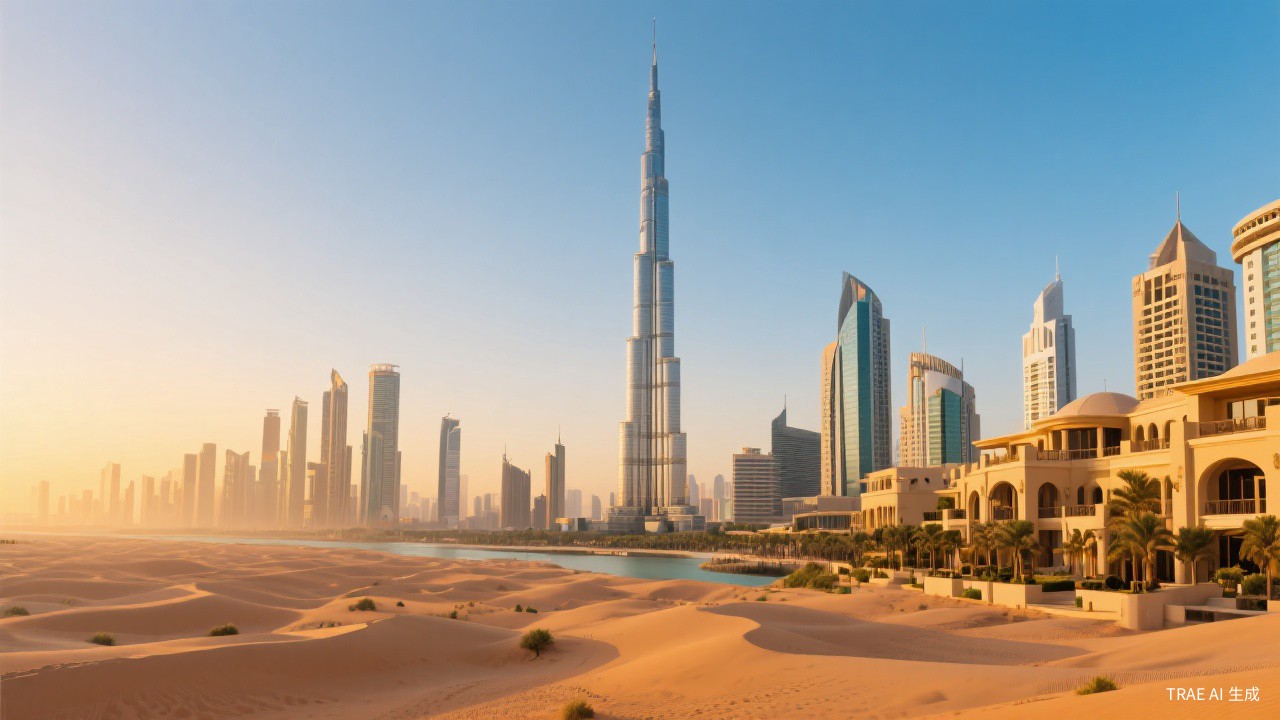
Dubai is a city that shouldn't exist. Rising from the Arabian Desert in just 50 years, it has become a global symbol of ambition and excess. The world's tallest building, largest shopping mall, and most luxurious hotel all call Dubai home. Yet beneath the superlatives lies a city of surprising diversity—old souks selling gold and spices, desert safaris under starlit skies, and beaches where the Arabian Gulf meets modern skyline.
What defines Dubai fascinating is its role as a turning point. Over 85% of residents are expatriates from around the world, creating a truly international atmosphere. You'll hear a dozen languages walking through a mall, and cuisines from every continent are represented in restaurants. This diversity, combined with Emirati hospitality, makes Dubai feel welcoming despite its sometimes overwhelming scale.
The city operates on a different logic than anywhere else. Indoor ski slopes sit beside beaches where temperatures reach 45°C. Man-made islands shaped like palm trees extend the coastline. A frame-shaped building frames views of old and new Dubai. This willingness to attempt the impossible defines Dubai—it's a place where "can't" isn't in the vocabulary.
Escaping the Heat
Dubai's climate dictates travel seasons. Winter (November to March) is the ideal time to visit, with temperatures of 20-30°C and clear skies. This is peak tourist season, with higher hotel rates and busy attractions. December and January are particularly popular, with events like Dubai Shopping Festival and New Year's celebrations.
Summer (June to September) brings extreme heat—temperatures regularly exceed 40°C and can reach 50°C. Most activities move indoors, and hotel rates drop significantly. If you can handle the heat (or plan to stay in air-conditioned spaces), summer offers good value. Many restaurants and malls offer summer promotions.
Shoulder seasons (April-May and October) offer a compromise. Temperatures are warm but manageable (30-38°C), and crowds are thinner. Ramadan affects the city—restaurants are closed during daylight hours, but iftar meals at sunset are a cultural experience. Dates shift annually based on the Islamic calendar.
Metro, Taxi & Uber
Dubai International Airport (DXB) is one of the world's busiest, connecting to virtually everywhere. The metro connects the airport to the city in 15-20 minutes (AED 5-10). Taxis are affordable and metered—expect AED 50-80 to most hotels. Uber and Careem operate throughout the city.
The Dubai Metro is clean, efficient, and air-conditioned (essential in summer). The Red Line runs along Sheikh Zayed Road, connecting major attractions. The Gold Class cabin offers premium seating for a small upgrade. A day pass costs AED 22. The metro doesn't reach all areas, so combine with taxis or buses.
Taxis are inexpensive compared to Western cities. Flag fall is AED 12, with most rides in the city costing AED 20-50. Women can request pink-roofed "Ladies Taxis" with female drivers. Renting a car is an option, but traffic can be heavy and parking expensive in popular areas. The city is not walkable in summer due to heat.
Downtown vs Beach
Downtown Dubai is the most prestigious area, home to Burj Khalifa and Dubai Mall. Hotels here start at AED 800-3000+ per night. The Address and Armani hotels offer luxury with direct views of the fountain show. You're walking distance to major attractions, but summer heat makes outdoor walking difficult.
Dubai Marina offers a more relaxed vibe with beach access and a promenade lined with restaurants. Hotels cost AED 500-1500/night. The area is popular with expats and feels more residential. JBR (Jumeirah Beach Residence) beach is nearby. Jumeirah is the upscale beachfront area with luxury resorts like Burj Al Arab and Madinat Jumeirah.
Deira and Bur Dubai offer the "old Dubai" experience with traditional souks, smaller hotels, and lower prices (AED 200-500/night). The area is more authentic but farther from modern attractions. Palm Jumeirah is the man-made island with Atlantis The Palm and other luxury resorts—great for families and beach lovers, but isolated from the city center.
Skyscrapers & Souks
Burj Khalifa
The world's tallest building at 828 meters offers observation decks on the 124th/125th and 148th floors. "At the Top" tickets (124th/125th) cost AED 150-170; "At the Top Sky" (148th) costs AED 380-500. Book online in advance for discounts. Sunset offers the best photos. The fountain show at the base runs every 30 minutes from 6 PM.
Tickets: AED 150-500 | Open: 8:30 AM-11 PM
Dubai Mall
The world's largest shopping mall contains over 1,200 stores, an aquarium, ice rink, and waterfall. The Dubai Aquarium and Underwater Zoo (AED 100) features a 10-million-liter tank with sharks and rays. The mall connects to Burj Khalifa and offers fountain show views. Plan for at least half a day.
Entry: Free entry | Open: 10 AM-midnight
Desert Safari
Half-day or evening tours take you into the desert for dune bashing, camel rides, sandboarding, and traditional Bedouin-style dinner with entertainment. Most include hotel pickup. Evening safaris (AED 150-300) are most popular, ending with stargazing. Morning safaris are cooler and less crowded.
Tickets: AED 150-300 | Open: Afternoon-evening
Dubai Frame
This 150-meter-tall frame-shaped building offers views of old Dubai on one side and new Dubai on the other. The sky deck has a glass floor walkway. It's a quick visit (1 hour) and good value. Located in Zabeel Park, it's accessible by metro.
Cost: AED 50 | Hours: 9 AM-9 PM
Old Dubai (Deira/Bur Dubai)
The historic districts offer a contrast to modern Dubai. The Gold Souk features over 300 shops selling jewelry. The Spice Souk offers aromatic spices, saffron, and dried fruits. Take an abra (water taxi) across Dubai Creek for AED 1. The Al Fahidi Historical Neighborhood shows traditional architecture.
Entry: Free (souk prices vary) | Times: 9 AM-10 PM (closed Friday mornings)
Palm Jumeirah
This man-made palm-shaped island is visible from space. The Palm Monorail runs along the trunk (AED 20 one way). The Pointe offers views of Atlantis, and the Palm West Beach promenade has restaurants and beach clubs. The View at The Palm (AED 100) offers 360-degree views from the 52nd floor.
Admission: Free (attractions extra) | Times: Always open
Middle Eastern Food
Shawarma — This Middle Eastern wrap features grilled meat (usually chicken or lamb) with garlic sauce, pickles, and vegetables in flatbread. Available at countless spots for AED 10-20. Al Mallah in Satwa is a local favorite. It's the ultimate Dubai street food.
Emirati Cuisine — Try machboos (spiced rice with meat), luqaimat (sweet dumplings), and harees (wheat and meat porridge). Al Fanar Restaurant in Al Seef offers traditional Emirati food in a heritage setting. A meal costs AED 80-150.
International Dining — Dubai's expat population means excellent food from around the world. Try Ravi Restaurant for Pakistani (AED 30-50), Bu Qtair for fish (AED 50-80), or Pierchic for fine dining with water views (AED 300+).
Friday Brunch — Dubai's legendary Friday brunches are an institution. Hotels offer lavish buffets with food and drinks from noon to 4 PM. Expect to pay AED 200 (soft drinks) to AED 600+ (premium alcohol). Book ahead for popular spots.
Arabic Sweets — Baklava, kunafa (cheese pastry with sweet syrup), and luqaimat are must-try desserts. Find them at traditional sweet shops in Deira or modern cafés throughout the city. A box of baklava costs AED 30-60.
Dress Code & Laws
• Dress modestly in public areas. While Dubai is liberal, revealing clothing can attract unwanted attention. Cover shoulders and knees in malls and government buildings.
• Public displays of affection are discouraged. Holding hands is fine; kissing is not.
• Alcohol is only served in licensed venues (hotels and some restaurants). Don't drink in public or travel after drinking—penalties are severe.
• Friday is the holy day. Many businesses close for Friday prayers (12-2 PM). Plan accordingly.
• Ramadan affects opening hours. Restaurants are closed during daylight, but hotel restaurants serve non-Muslims in screened areas.
Traveler's Tip
Visit the desert at sunset. The temperature drops, the light turns golden, and the dunes become magical. Book a desert safari with dinner for the full experience.