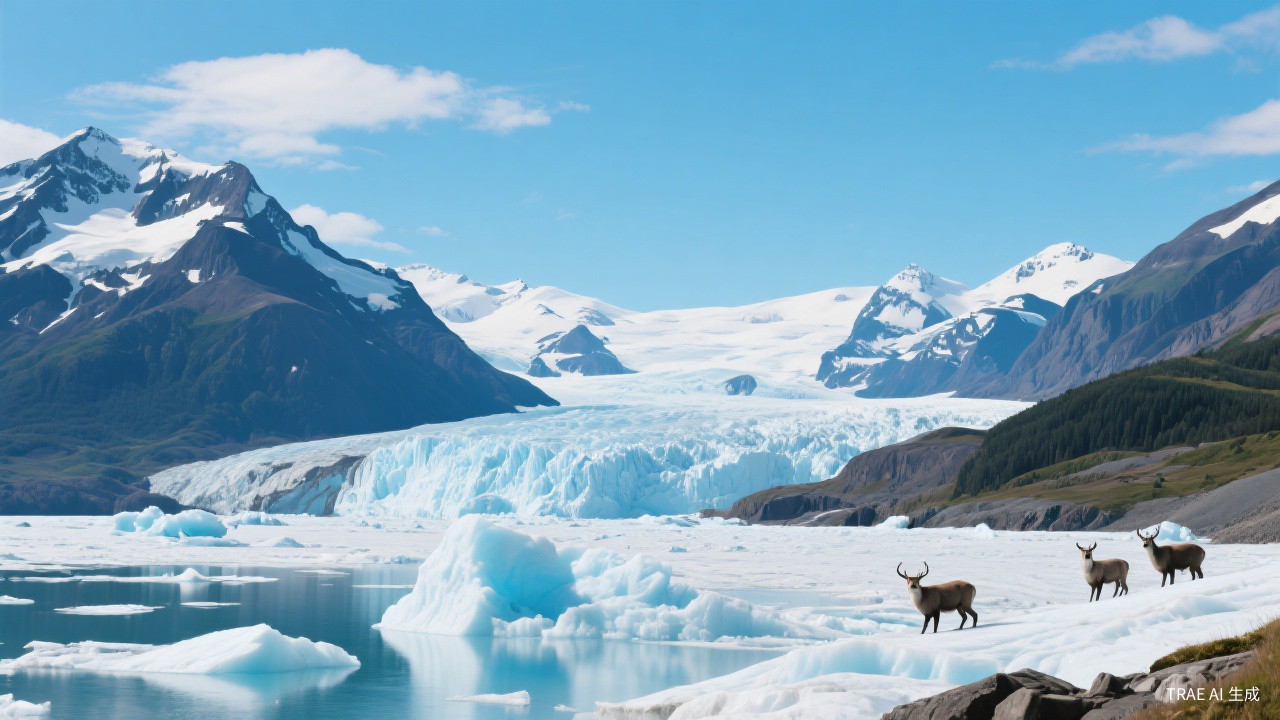
What Makes Alaska Worth Visiting
Stepping off the plane in Alaska, I quickly realized this place makes you reconsider what "big" means. The state is larger than Texas, California, and Montana combined, yet fewer than 750,000 people live there. That ratio of vast, raw scenery to human population is what drew me in—glaciers the size of small countries, grizzly bears fishing for salmon in rushing rivers, and mountains that rise straight from the ocean.
The Inside Passage, a network of waterways along the southeastern coast, is where I started my trip. Cruise ships and ferries thread between forested islands, past tidewater glaciers that calve icebergs into turquoise water. The town of Skagway retains its gold-rush-era wooden buildings, while Juneau, the state capital, is accessible only by boat or plane.
Denali National Park is Alaska's interior crown jewel. North America's tallest peak at 20,310 feet, Denali is visible on clear days from 150 miles away. I found that the single park road stretches 92 miles into wilderness where wolves, moose, and caribou roam. The midnight sun, which keeps the sky light through summer nights, means you can hike or photograph wildlife at any hour.
Best Time to Go
Summer (June to August) is the primary travel season. Temperatures start at 50-70°F in most visitor areas, with long daylight hours—up to 24 hours in the far north. This is when all tours, lodges, and the Denali park road are fully operational. July is the warmest month and best for wildlife viewing.
May and September offer shoulder-season advantages: fewer visitors, lower prices, and still-decent weather. May brings wildflowers and returning wildlife. September offers fall colors and the start of northern lights season, though some services begin closing mid-month.
Winter (October to April) is for hardy travelers. Temperatures drop well below zero in interior areas, but the northern lights are spectacular. Fairbanks is a popular base for aurora viewing. Winter also brings dog sledding, ice fishing, and snow machining. Most tourist infrastructure outside Anchorage and Fairbanks shuts down.
Getting There and Around
Ted Stevens Anchorage International Airport (ANC) is Alaska's main gateway, with direct flights from Seattle, Denver, Minneapolis, and several other US cities. Fairbanks (FAI) has fewer connections but serves as the base for Denali and northern lights trips. Juneau (JNU) is served by flights from Seattle and Anchorage.
The Alaska Marine Highway (state ferry system) connects southeastern towns including Juneau, Sitka, Skagway, and Haines. It is slower than flying but far more scenic and affordable than cruises. The ferry carries vehicles, so you can bring a car or RV.
The Alaska Railroad runs from Seward to Fairbanks via Anchorage and Denali. It stands out as scenic train rides in North America. Renting a car in Anchorage or Fairbanks gives flexibility for the interior, but note that distances are enormous—a Go from Anchorage to Denali takes four hours, and to Fairbanks takes eight.
Where to Stay
Anchorage is the most convenient base, with the widest range of hotels, restaurants, and tour operators. Expect to pay $120-250 per night for mid-range hotels. The downtown area is compact and walkable, with the Tony Knowles Coastal Trail starting nearby.
Denali area has lodges ranging from basic to upscale. Inside the park, Camp Denali and Kantishna Roadhouse offer all-inclusive experiences ($600+ per night) deep in the wilderness. Just outside the park entrance, hotels like the Denali Park Village run $150-300.
Seward and Juneau serve as bases for Inside Passage activities. Seward has waterfront lodges and B&Bs ($100-200). In Juneau, expect $130-250 for downtown hotels. For a unique experience, book a remote wilderness lodge accessible only by floatplane—expect to pay $400-800 per night, usually including meals and activities.
Must-See Attractions
Denali National Park
The park covers six million acres of wilderness with one 92-mile gravel road. Only the first 15 miles are accessible by private vehicle; beyond that, you need park buses. The Eielson Visitor Center at mile 66 offers close-up views of Denali on clear days. Wildlife sightings are common—grizzly bears, moose, caribou, Dall sheep, and wolves. The Triple Lakes Trail near the entrance is a moderate 9-mile hike with mountain views. Book bus tickets well in advance for summer visits.
Cost: $15 per person (7-day pass) | Times: Late May to mid-September
Glacier Bay National Park
Located west of Juneau, this park contains some of the world's most active tidewater glaciers. Cruise ships and day boats from Bartlett Cove bring visitors face-to-face with glaciers calving ice into the bay. Humpback whales, harbor seals, and sea otters are frequently spotted. The park ranger programs on cruise ships are excellent. Independent visitors can kayak from Bartlett Cove for a more intimate experience. The visitor center has exhibits on glaciology and Tlingit culture.
Entry: Free (cruise/boat tours $150-300) | Open: Late May to September
Kenai Fjords National Park
Based out of Seward, this park is accessible via day cruises that last 6-9 hours. The boats pass through Resurrection Bay and into the Gulf of Alaska, past glaciers and islands. Wildlife is abundant: puffins, sea lions, bald eagles, and occasionally orcas. Exit Glacier, reachable by road from Seward, offers a short hike to the ice face. The Harding Icefield Trail climbs above the glacier for views of an ice sheet the size of Rhode Island.
Tickets: Cruises $120-200, Exit Glacier free | Open: Year-round (cruises May-September)
Mendenhall Glacier
Just 13 miles from downtown Juneau, this is Alaska's most accessible glacier. The visitor center has exhibits and viewing platforms. The Nugget Falls Trail is an easy 1-mile walk to a waterfall near the glacier face. For more adventure, guided hikes onto the ice are available ($200-300). The lake in front of the glacier often has icebergs floating in it. Kayak tours offer a water-level perspective. In summer, the area has interpretive programs and evening presentations.
Cost: $5 per person | Times: May to September (visitor center 8 AM-7:30 PM)
Tony Knowles Coastal Trail
This 11-mile paved trail starts in downtown Anchorage and follows the Cook Inlet coastline to Kincaid Park. It is popular with cyclists, runners, and walkers. Along the way, you pass Earthquake Park (marking the 1964 Good Friday earthquake zone) and may spot moose, beluga whales, and eagles. Bike rentals are available near the trailhead for $30-50 per day. The trail is paved and mostly flat, making it accessible for all fitness levels. Sunset views of the Chugach Mountains across the inlet are the reward.
Admission: Free | Hours: Always open (daylight recommended)
Food and Drink
Alaskan King Crab Legs — Harvested from the Bering Sea, these massive crab legs are served at restaurants throughout Anchorage and the coastal towns. The meat is sweet, firm, and best enjoyed with melted butter. Expect to pay $45-70 for a full order. Simon & Seafort's in Anchorage and the Twisted Fish in Juneau are reliable spots.
Smoked Salmon — Alaska produces five species of Pacific salmon, and smoking is the traditional preservation method. You will find smoked salmon at nearly every gift shop and restaurant. For the best quality, visit a local smokehouse rather than a tourist shop. The Salmon Cache in Anchorage and St. Elias in Soldotna ship nationwide.
Reindeer Sausage — This savory sausage is made from reindeer meat mixed with beef or pork. It is a staple at Anchorage markets and fairs. Try it on a stick at the Saturday Market in downtown Anchorage for $6-8. It pairs well with mustard and a local beer.
Halibut Fish and Chips — Pacific halibut is a firm, mild white fish that is excellent battered and fried. Humpy's Great Alaskan Alehouse in Anchorage serves a popular version. In coastal towns, the fish is often caught the same day. Expect to pay $18-25 for a generous portion.
Practical Tips
Book accommodations and tours months in advance for summer travel. Denali park buses and Glacier Bay cruises fill up early.
• Layer your clothing. Alaska weather changes rapidly, and temperatures can swing 30 degrees in a single day, even in summer.
Bring binoculars and a telephoto lens for wildlife. Animals are often visible but at a distance that requires magnification.
• Budget for high food and lodging costs. Alaska is expensive—meals run $20-40 per person, and gas costs 50-80 cents more per gallon than the US average.
• Download offline maps before you go. Cell service is spotty outside Anchorage, Fairbanks, and Juneau, and nonexistent in most of the park system.
Traveler's Tip
If you have three weeks, travel the Alaska Highway from the lower 48. It is one of the great road trips in North America, and the sense of arrival in Alaska is something no flight can replicate.