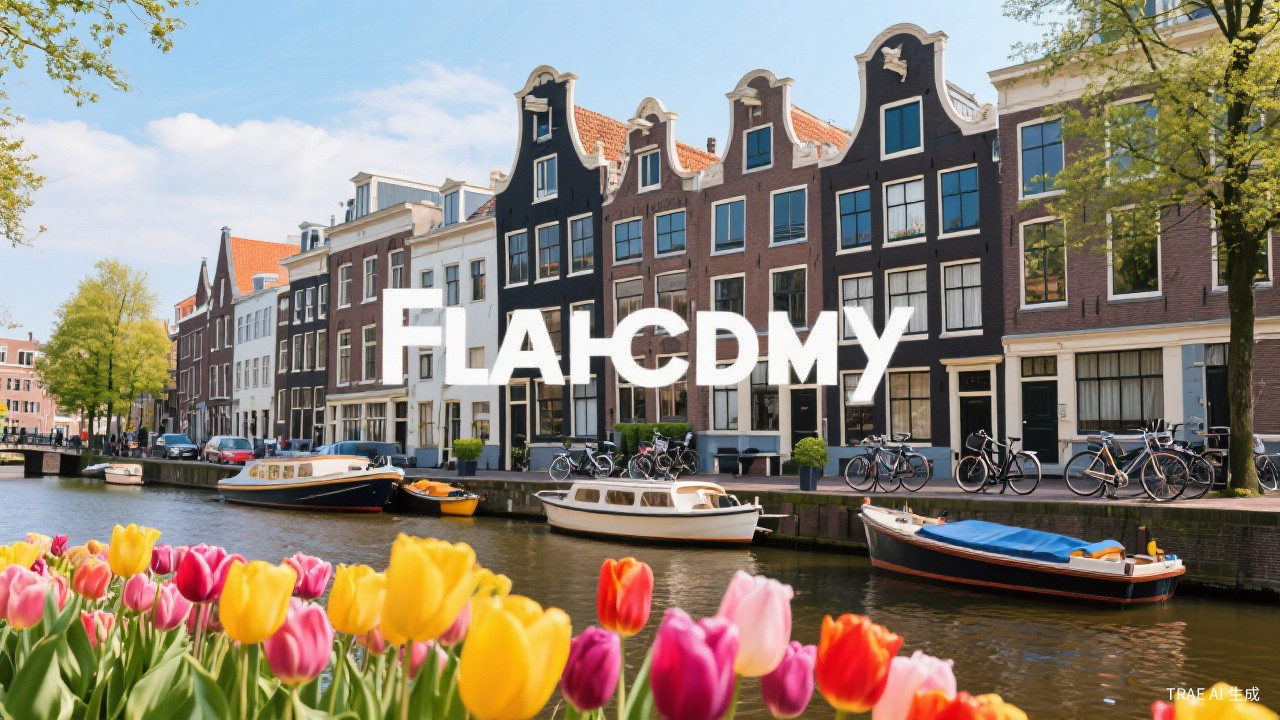
Arriving in Amsterdam felt different than I expected, I immediately felt this was a city designed for happiness. The concentric canals lined with narrow 17th-century houses, the thousands of bicycles leaning against every available railing, the cozy brown cafés where time seems to slow down—everything about this city invites you to relax and enjoy. I found it compact, walkable, and impossibly picturesque, with reflections of gabled buildings shimmering in the water at every turn.
What defines Amsterdam special is its balance of history and progressive attitudes. I found that the city was the world's wealthiest during its Golden Age, and the wealth shows in the architecture and world-class museums. Yet it's also famously tolerant, with legal prostitution and cannabis that draw curious visitors from around the world. Beyond the red-light district, you'll find a sophisticated city of art, design, and innovation.
The Dutch concept of "gezellig" (cozy, convivial, welcoming) permeates everything. I experienced it in the candlelit cafés, the houseboats with flower boxes, and the way locals gather on canal-side terraces when the sun appears. I recommend slow exploration—renting a bike, wandering without destination, stopping at a café for apple pie. This is a city best experienced rather than seen.
When to Visit Amsterdam
Visit during Amsterdam is spring (April to May) when tulips bloom or early autumn (September to October). Spring brings the famous flower fields around Keukenhof (mid-March to mid-May) and King's Day celebrations (April 27). The weather is mild (10-18°C), though rain is always possible.
Summer (June to August) is peak tourist season with the warmest weather (15-22°C) and longest days. The canals come alive with boats, and outdoor terraces are packed. Hotel prices are highest, and major attractions have long lines. Book accommodations months in advance.
Winter (November to March) is cold (2-8°C) and dark, but the city has a cozy charm. Museums are less crowded, and the Amsterdam Light Festival (December to January) illuminates the canals. Rain is common year-round—always carry an umbrella. The city is beautiful in any weather, but expect gray skies.
Getting Around the City
Amsterdam Schiphol Airport (AMS) is a major European hub, 20 minutes by train from Central Station (€5.30). Trains run frequently and connect to cities throughout Europe. The airport is efficient and has excellent shopping.
Amsterdam is a city of cyclists—there are more bikes than people. Renting a bike (€10-15/day) is the most authentic way to explore, but be aware of traffic rules and lock your bike securely. The city center is compact and walkable. Most attractions are within 30 minutes on foot.
Public transport includes trams, buses, and metro. An OV-chipkaart (€7.50 plus credit) works on all transport. A day pass costs €8.50. Trams are the most scenic way to travel. Taxis are expensive and often slower than bikes in traffic. Canal boats offer scenic tours (€15-20) and some serve as public transport.
Neighborhoods and Hotels
Canal Ring (Grachtengordel) is the most scenic area, with 17th-century houses overlooking the water. Hotels cost €150-400/night. You're walking distance to major museums and the Jordaan neighborhood. Jordaan is a former working-class neighborhood now filled with boutiques, cafés, and galleries. It's quieter and more authentic.
De Pijp is the trendy area around the Albert Cuyp Market, with excellent restaurants and the Heineken Experience. Hotels cost €100-250/night. Museum Quarter near Vondelpark and major museums has upscale hotels (€150-350).
Red Light District is central and budget-friendly, but can be noisy and crowded. Oud-West offers a local feel with good restaurants and lower prices. For budget travelers, hostels throughout the city cost €25-60/night. Book well in advance for summer and King's Day.
Iconic Sights
Rijksmuseum
The Netherlands' national museum houses 8,000 objects including Rembrandt's "Night Watch" and Vermeer's "Milkmaid." The building itself is a Gothic-Renaissance masterpiece. Allow 3+ hours. Book timed tickets online to skip lines. The garden is free and worth a stroll.
Admission: €21 | Times: 9 AM-5 PM
Van Gogh Museum
The world's largest Van Gogh collection traces his development from dark early works to lively later paintings. The museum also shows works by his contemporaries. Book timed tickets online well in advance—it sells out. Allow 2 hours.
Cost: €22 | Times: 9 AM-5 PM (extended hours summer)
Anne Frank House
The hiding place where Anne Frank wrote her diary is now a powerful museum. The rooms remain empty, but excerpts from the diary and historical context tell the story. Book tickets online exactly 2 months in advance—they sell out within hours. No photos allowed inside.
Admission: €14 | Times: 9 AM-10 PM (varies by season)
Canal Cruise
Seeing Amsterdam from the water offers a different perspective. Numerous companies offer 1-hour tours (€15-20). Some have audio guides, others live commentary. Evening cruises show illuminated bridges. For a budget option, take the free ferry across the IJ and walk back.
Admission: €15-20 | Times: Daily, various times
Vondelpark
Amsterdam's largest park is where locals go to relax, picnic, and exercise. The 47 hectares include ponds, rose gardens, and an open-air theater (free summer concerts). It's perfect for a break between museums. Rent a bike or just stroll.
Entry: Free | Open: Always open
Jordaan Neighborhood
This former working-class area is now one of Amsterdam's most charming neighborhoods. Narrow streets, independent shops, and brown cafés invite wandering. The Anne Frank House is at the edge. Saturday mornings bring a local market to Noordermarkt.
Tickets: Free | Open: Always open
Dutch Food & Beer
Stroopwafel — Two thin waffles with caramel syrup in the middle. Fresh from a market stall is best (€2-3). The Albert Cuyp Market has several vendors. They're also sold in supermarkets but lack the warmth and crispness.
Herring — Raw herring with onions and pickles, typically eaten by holding the tail and lowering it into your mouth. It's a Dutch tradition. Try it at a street stall (€3-5). The season runs May to July when herring is at its best.
Bitterballen — Deep-fried meat-based snacks typically served with mustard. They're a pub staple—order them at any brown café with a beer. A portion of 6-8 costs €6-9.
Dutch Cheese — Gouda and Edam are the classics, aged from young and mild to old and sharp. Visit a cheese shop for tastings, or the Saturday cheese market in Alkmaar (30 minutes by train). A cheese sandwich at a café costs €6-9.
Indonesian Rijsttafel — A Dutch colonial legacy—rice table with many small dishes. It's unique to the Netherlands. Restaurant Sampurna or Tempo Doeloe serve excellent versions. Budget €25-40 per person.
Money-Saving Tips
• Rent a bike. It's the most authentic way to experience Amsterdam. Follow traffic rules and use hand signals.
Book major museums online in advance. Anne Frank House tickets sell out within hours of release.
• Stay off bike paths. They're for bikes only, and cyclists won't stop for pedestrians.
• Coffee shops are for cannabis. Cafés serve coffee. Don't confuse them.
• Carry an umbrella. Rain can appear suddenly any time of year.
Traveler's Tip
Rent a bike but be careful. Amsterdam cyclists are fast and experienced. Stay in the bike lanes and watch for trams. It is the best way to see the city.