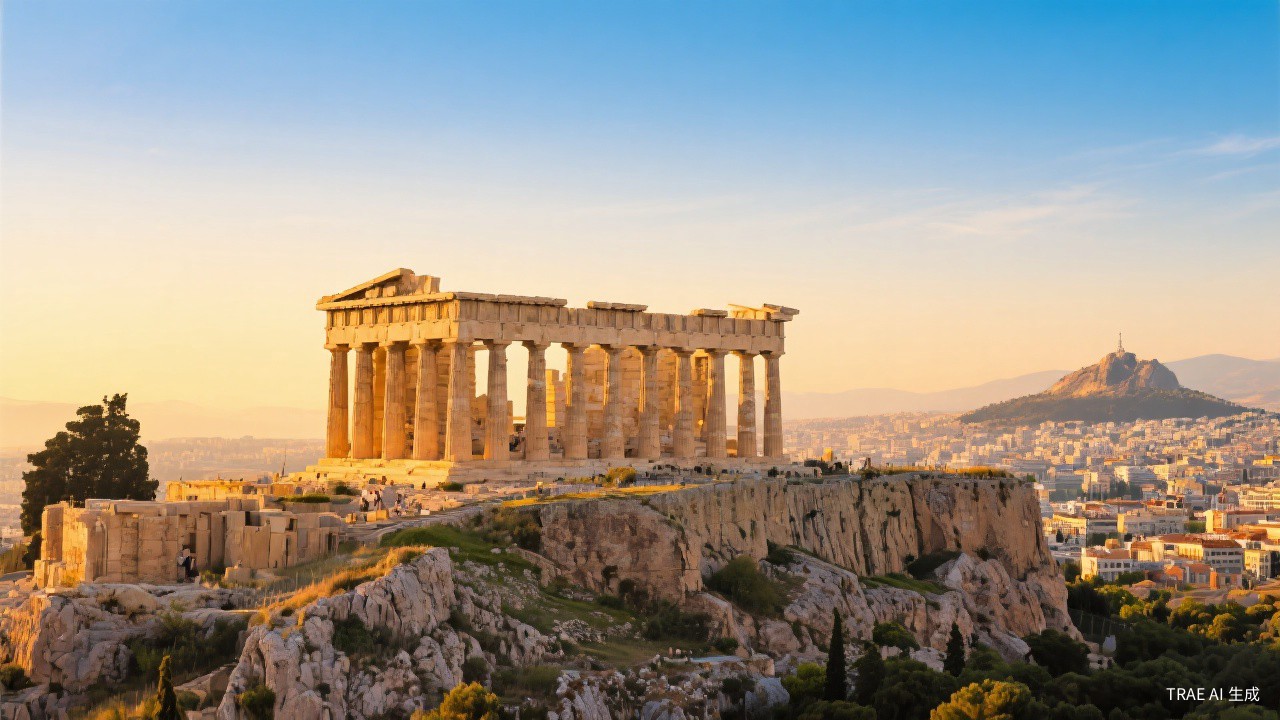
What You Will Find in Athens
My first impression I noticed about Athens, I noticed how this ancient city sits alongside apartment blocks, coffee shops, and graffiti-covered streets in a way that feels raw and unpolished. The Acropolis rises above the city like a stone crown, with the Parthenon's columns visible from dozens of viewpoints across Athens. I found that neighborhoods like Plaka, Monastiraki, and Psyrri wind through Ottoman-era streets, open-air markets, and rooftop bars where you can drink wine with the Parthenon lit up in front of you. The National Archaeological Museum holds treasures from Mycenaean tombs and classical sculpture that shaped Western art.
My first impression of Athenians was that they are direct, loud, and warmly hospitable. The city runs on a rhythm of extended coffee breaks, late dinners, and arguments about politics in kafeneia (traditional coffee houses). In Exarcheia, anarchist bookshops and indie music venues sit next to ouzeries that have served the same meze for decades. The central market on Athinas Street is chaos in the best sense—fishmongers shouting, pyramids of olives, and the smell of grilling meat drifting from every corner.
I recommend giving yourself at least three full days. Start with the Acropolis and its museum, then explore the ancient Agora and the Roman Forum. Dedicate an afternoon to the National Archaeological Museum. In the evenings, wander through Plaka and Psyrri for dinner and drinks. If time allows, take a day trip to the Temple of Poseidon at Sounion or the island of Aegina. Athens rewards repeat visits—there is always another rooftop, another ruin, another plate of grilled octopus to find.
Best Time to Go
April to June and September to November are the best periods. Spring temperatures sit between 15 and 25 degrees Celsius, wildflowers cover the hills around the Acropolis, and outdoor dining begins in earnest. September brings warm sea temperatures and the Athens International Film Festival. Hotel rates in these months start at €60 to €150 per night for a central double.
July and August are punishingly hot, often exceeding 35 degrees. The Acropolis closes during peak afternoon heat. The Athens Epidaurus Festival runs through summer with performances at the ancient Odeon of Herodes Atticus. Winter (December to February) is mild by European standards, around 10 to 15 degrees, with occasional rain. Many rooftop bars close, but the indoor restaurant scene is lively and hotel prices drop significantly.
Getting There and Around
Athens International Airport (ATH) is 33 kilometers east of the city center. The Metro Line 3 connects the airport to Syntagma Square in 40 minutes for €9. The suburban railway and bus route X95 (€5.50, 60 minutes) are cheaper alternatives. Taxis charge a flat rate of €38 to the city center during the day, €54 from midnight to 5 AM.
The Athens Metro is clean, cheap, and covers most tourist areas. A single ticket costs €1.20 and is valid for 90 minutes. A 5-day tourist pass is €8.80. The metro stations themselves are worth noting—Syntagma and Monastiraki stations display archaeological finds uncovered during construction. Buses and trolleys supplement the metro. Walking is feasible in the center, but the hills are steep. Taxis start at €3.50 and are plentiful.
Where to Stay
Plaka and Makriyianni sit directly below the Acropolis and are the most convenient bases. Expect to pay €90 to €200 per night. Plaka is touristy but charming, with pedestrian streets and tavernas on every corner. Makriyianni is quieter and home to the Acropolis Museum. Both areas put you within walking distance of the major ruins.
Psyrri and Monastiraki are edgier and more affordable, with doubles from €50 to €120 per night. Psyrri is famous for its street art, live music venues, and late-night bars. Monastiraki centers on the famous flea market. These neighborhoods are louder at night but offer a more authentic Athens experience than Plaka.
Koukaki, south of the Acropolis, has become a favorite for travelers who want proximity to the center without the tourist markup. Rooms start at €45 to €100 per night. The area has excellent cafes and bakeries, and it is a 10-minute walk to the Acropolis Museum. Kolonaki, on the other hand, is Athens' upscale neighborhood, with designer boutiques and art galleries—hotels start at €150 per night.
Must-See Attractions
The Acropolis and Parthenon
The limestone outcrop towering over Athens has been inhabited since the Neolithic period. The Parthenon, built between 447 and 432 BC, is the largest Doric temple ever completed. The Erechtheion, with its Caryatid maidens, sits nearby. Arrive before 8 AM to avoid crowds and heat. The new Acropolis Museum at the base provides essential context before you climb.
Admission: €20 in summer, €10 in winter | Times: 8 AM to 8 PM, last entry 7:30 PM
National Archaeological Museum
Greece's largest museum holds over 11,000 exhibits spanning from the Cycladic period to Roman times. The gold Mask of Agamemnon, the Antikythera Mechanism (an ancient analog computer), and the bronze Artemision Zeus are highlights. The building itself, a neoclassical structure from 1889, is impressive. Allow at least three hours.
Cost: €12 | Times: 1 PM to 8 PM Tuesdays, 8:30 AM to 3:30 PM Wednesday to Monday
Ancient Agora
The civic center of ancient Athens where Socrates once lectured and democracy was debated. The Temple of Hephaestus is the best-preserved ancient Greek temple in the world. The reconstructed Stoa of Attalos houses a museum with artifacts from daily life in antiquity. The site is green and shady, making it a pleasant escape from the city.
Admission: €8 (combined ticket with other sites) | Hours: 8 AM to 8 PM
Mount Lycabettus
The highest point in central Athens at 277 meters. You can hike up through pine trees in about 30 minutes or take the funicular railway from Kolonaki (€7.50). The 19th-century Chapel of St. George sits at the summit, and the 360-degree view stretches from the Acropolis to the Aegean Sea. Sunset is the best time to visit.
Cost: Funicular €7.50, hiking free | Open: Funicular 7:30 AM to 11:30 PM
Temple of Olympian Zeus
Once the largest temple in Greece, with 104 Corinthian columns—only 15 remain standing. Construction began in the 6th century BC and was not completed until 131 AD under the Roman emperor Hadrian. The scale is enormous, and the surviving columns give a sense of the building's original grandeur. Hadrian's Arch stands at the entrance.
Entry: €6 (combined ticket) | Hours: 8 AM to 8 PM
Food and Drink
Grilled Octopus with Olive Oil and Vinegar — Tender charcoal-grilled octopus served with a drizzle of Greek olive oil and red wine vinegar. O Thanasis in Monastiraki has been serving this alongside their famous pita gyros since 1964. The portion is generous and costs well under €15.
Souvlaki at O Thanasis — Pork skewers wrapped in warm pita with tomatoes, onions, and tzatziki. This is Athens' most popular fast food, and O Thanasis in Monastiraki square is an institution. The line moves fast, and you can eat standing at the counter for under €5.
Pastitsio — A baked pasta dish with layers of tubular pasta, spiced ground beef, and a thick béchamel topping. It is hearty Greek comfort food. Try it at Karamanlidika in Psyrri, which also serves excellent cured meats and cheeses from Constantinople.
Greek Coffee and Loukoumades — Order a Greek coffee (ellinikos) at any traditional kafeneion, then follow it with loukoumades—small fried dough balls soaked in honey and cinnamon. Lukumades in Psyrri serves modern versions with flavors like walnut and chocolate, but the traditional honey version is the one to get.
Practical Tips
• Buy the combined ticket (€30) if you plan to visit the Acropolis, Ancient Agora, Roman Forum, Temple of Zeus, and Kerameikos. It saves money and is valid for five days.
• The Acropolis is extremely hot in summer with no shade. Bring at least a liter of water and wear a hat.
• Dinner in Athens starts late—most restaurants do not fill up until 9 PM. Do not arrive at 7 PM expecting a lively atmosphere.
• Watch out for pickpockets around Monastiraki metro station and the flea market. Keep your phone and wallet in front pockets.
• Ubers and taxis can get stuck in traffic. The metro is almost always faster for cross-city trips during the day.
Traveler's Tip
Visit the Acropolis on a Monday when most museums are closed—fewer crowds compete for space on the hill. Pair it with a late lunch in Koukaki, where the tavernas are full of locals rather than tourists.