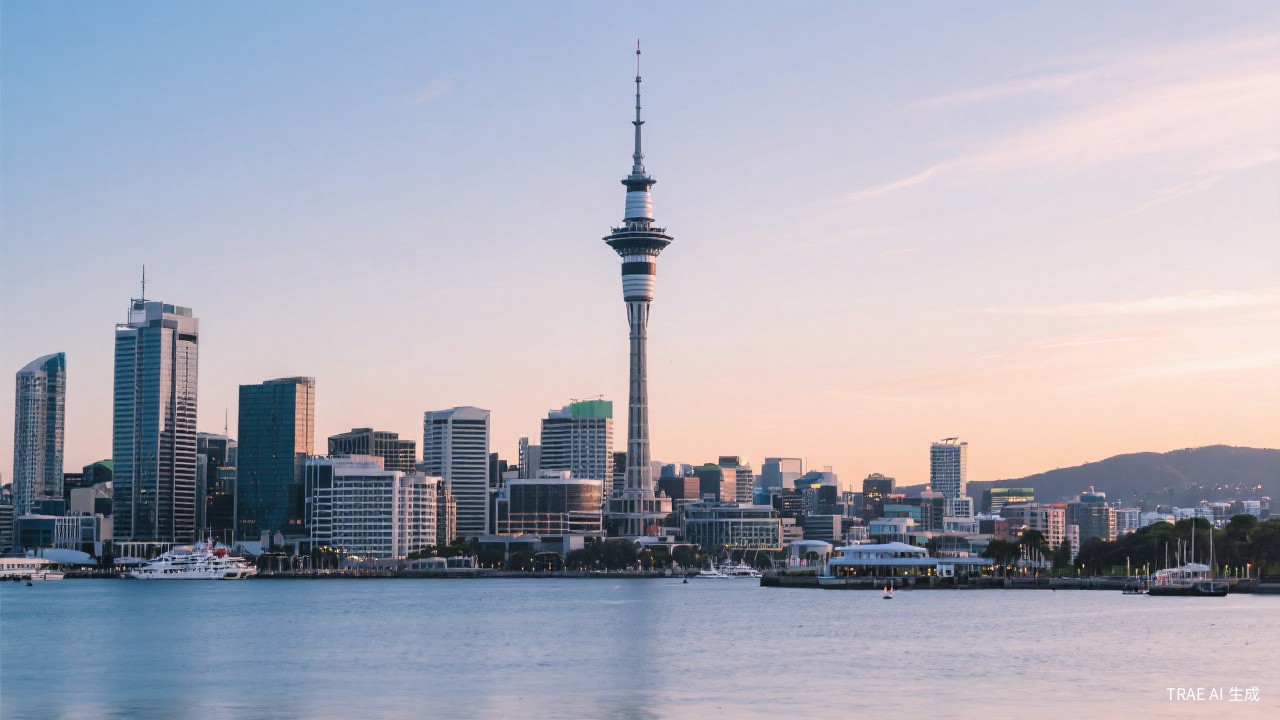
Landing in Auckland after a long flight, I discovered a city of volcanoes and harbors, where you can walk up a dormant volcanic cone in the morning, sail on the Hauraki Gulf in the afternoon, and dine at world-class restaurants in the evening. New Zealand's largest city sprawls across a narrow isthmus between two harbors, giving it more boat ownership per capita than anywhere else. The City of Sails lives up to its name.
What defines Auckland special is its proximity to nature. I found that within 30 minutes of downtown, you can be hiking through native bush, swimming at black sand beaches, or sampling wine on Waiheke Island. The city itself is a multicultural hub with significant Māori and Pacific Islander populations, reflected in the food, arts, and festivals. The Auckland Museum houses the world's largest collection of Māori artifacts.
The city serves as the gateway to New Zealand, and many travelers rush through on their way to mountains and fjords. But I believe Auckland deserves time—its neighborhoods each have distinct character, from the hip cafes of Ponsonby to the historic villas of Parnell to the beaches of Devonport. This is a city that rewards exploration.
Auckland's Seasons
Visit during Auckland is during New Zealand's summer (December to February) or autumn (March to May). Summer brings warm weather (20-25°C), long days, and festival season. It's peak tourist time, so book accommodations in advance. The Auckland Arts Festival runs in March.
Spring (September to November) offers mild weather and blooming gardens. It's less crowded than summer. Winter (June to August) is cool and wet (10-15°C), but the city remains active. It's a good time for museums, restaurants, and indoor activities.
Weather in Auckland is changeable year-round. Locals say you can experience four seasons in one day. Always carry layers and a rain jacket, even in summer. The city is less affected by extreme weather than other parts of New Zealand.
Transport Options
Auckland Airport (AKL) is 20km south of the city. The SkyBus connects to downtown in 45-60 minutes (NZD 18 one way). Taxis cost NZD 75-100. Uber and other rideshare apps are available and often cheaper.
Auckland is spread out, making public transport essential. The AT HOP card (NZD 10 plus credit) works on buses, trains, and ferries. A day pass costs NZD 20. The train network is limited but connects major hubs. Buses fill the gaps, though traffic can slow them.
The city center is walkable, and the waterfront area is particularly pleasant. Ferries connect to Devonport, Waiheke Island, and Rangitoto Island—they're both transport and sightseeing. Renting a car is helpful for exploring beyond the city, but parking in the center is expensive.
Where to Base Yourself
CBD/Waterfront is convenient for attractions, restaurants, and the ferry terminal. Hotels cost NZD 150-400/night. Viaduct Harbour has upscale hotels and waterfront dining. Britomart is a trendy area with boutique hotels and excellent restaurants.
Ponsonby is a hip neighborhood with cafes, bars, and boutique shopping. Hotels and B&Bs cost NZD 120-300. Parnell is a historic area with charming villas and upscale dining. Newmarket is a shopping district with mid-range options.
Devonport across the harbor is a charming village with heritage buildings and beaches. A 12-minute ferry ride from downtown. Waiheke Island offers vineyard retreats and beach houses (NZD 200-500+). For budget travelers, hostels in the CBD cost NZD 30-60/night.
Top Experiences
Sky Tower
At 328 meters, this is the Southern Hemisphere's tallest freestanding structure. The observation deck offers 360-degree views (NZD 32). For thrills, try the SkyWalk (outside on the edge) or SkyJump (base jump by wire). The tower also has restaurants with revolving views.
Tickets: NZD 32 | Open: 10 AM-8 PM
Waiheke Island
This island in the Hauraki Gulf is famous for vineyards, olive groves, and beaches. The ferry takes 40 minutes (NZD 48 return). Rent a car or take a wine tour. Allow a full day. The island has a relaxed, artistic vibe distinct from the city.
Tickets: Ferry NZD 48 return | Hours: Ferries run daily
Auckland Museum
This museum in the Auckland Domain houses Māori and Pacific Islander artifacts, including a carved meeting house and a 25-meter war canoe. The Māori cultural performance is excellent (NZD 15 extra). The building itself is an impressive neo-classical structure.
Tickets: NZD 28 | Hours: 10 AM-5 PM
Mount Eden
This dormant volcanic cone offers the best views of Auckland. The crater is 200 meters deep. It's a 20-minute walk from the train station or a short Go. Go at sunset for photos. Free to visit.
Entry: Free | Open: Always open
Devonport
This heritage village across the harbor has Victorian architecture, boutique shops, and two volcanic cones (North Head and Mount Victoria) with harbor views. The ferry takes 12 minutes. Allow half a day.
Cost: Ferry NZD 16 return | Times: Ferries run daily
Kelly Tarlton's Sea Life Aquarium
This aquarium built in former sewage tunnels features a shark tunnel and Antarctic encounter with penguins. It's 15 minutes from downtown. Good for families. Allow 2 hours.
Cost: NZD 45 | Open: 9:30 AM-5 PM
Eating in Auckland
Pavlova — This meringue-based dessert with cream and fruit is claimed by both New Zealand and Australia. Try it at any good bakery or restaurant. A slice costs NZD 8-12.
Green-Lipped Mussels — New Zealand's native mussels are larger and sweeter than other varieties. Try them steamed, grilled, or in chowder. A main course costs NZD 25-35.
Hokey Pokey Ice Cream — Vanilla ice cream with honeycomb toffee pieces. It's New Zealand's most iconic flavor. Find it at any ice cream shop. A scoop costs NZD 4-6.
Māori Hāngi — Traditional Māori cooking in an earth oven. Meat and vegetables are slow-cooked underground. Some restaurants serve it, or experience it at a cultural show. A meal costs NZD 30-50.
Wine — New Zealand is famous for Sauvignon Blanc and Pinot Noir. Waiheke Island wineries offer tastings with views. A tasting flight costs NZD 15-25.
Local Advice
• Get an AT HOP card immediately. It's cheaper than single tickets and works on all public transport.
Book Waiheke Island wine tours in advance, especially on weekends.
• Wear sunscreen. New Zealand has high UV levels due to ozone depletion.
• Tip only for exceptional service. It's not expected in New Zealand.
• Respect Māori culture. Ask before photographing sacred sites, and don't sit on tables (considered tapu/sacred).
Traveler's Tip
Take the ferry to Waiheke Island. It is 35 minutes from downtown Auckland, but feels worlds away. Rent a scooter and explore the vineyards and beaches.