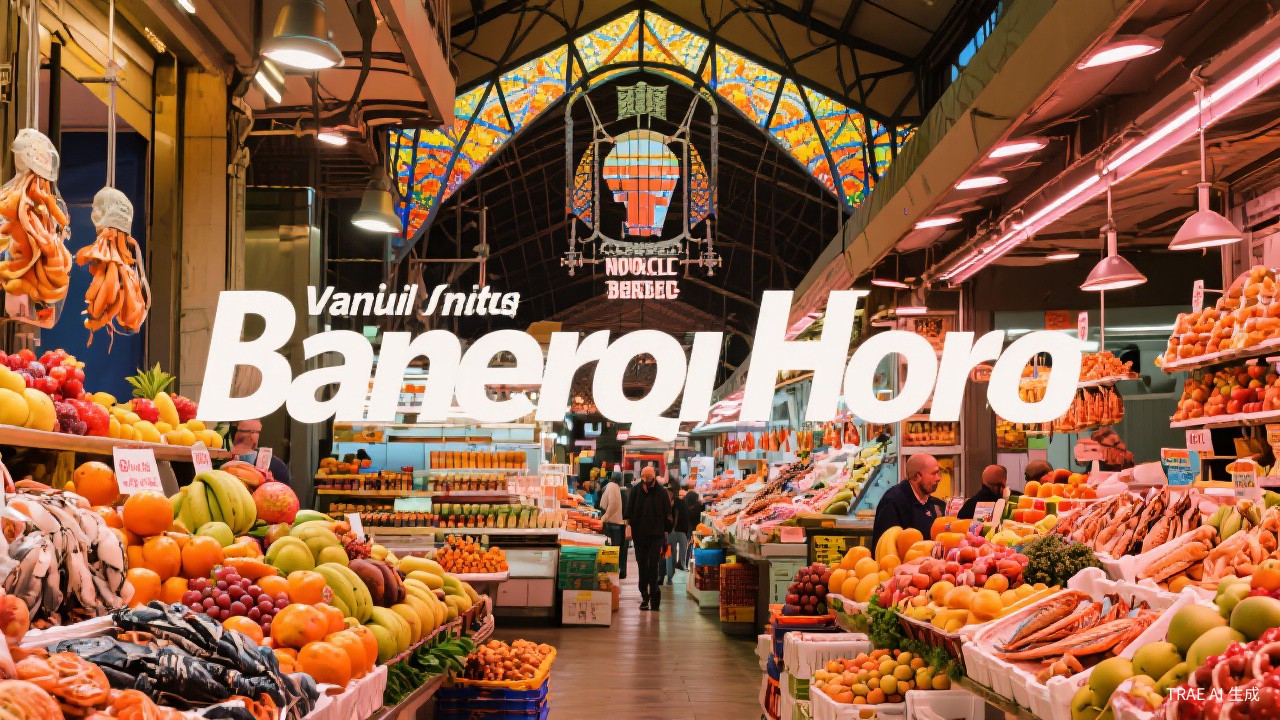
What Makes Barcelona Food Worth Visiting
Barcelona's food scene stands out as exciting in Europe, built on Catalan traditions that stretch back centuries. The city's markets—especially La Boqueria on La Rambla—are temples of fresh produce, cured meats, and seafood pulled from the Mediterranean that morning. Catalan cuisine combines Mediterranean ingredients with techniques from both France and Spain: think escalivada (roasted vegetables), suquet de peix (fish stew), and crema catalana. The city is also home to molecular gastronomy pioneers, with El Bulli's legacy still influencing young chefs across the city.
Eating in Barcelona is a social act woven into daily life. Locals stand at the bar for a mid-morning vermut, share plates of patatas bravas after work, and linger over late dinners that start at 9 PM or later. The Gracia neighborhood feels like a village within the city, with small bodegas serving house wine and tapas on marble counters. In the Barri Gotic, centuries-old bakers still sell pa amb tomaquet (bread rubbed with tomato and olive oil) for breakfast.
Plan your eating around neighborhoods rather than specific restaurants. Spend a morning at La Boqueria, an afternoon in Gracia's tapas bars, and an evening in El Born for pintxos. Book restaurants at least a week in advance—Barcelona's food scene is popular with both tourists and locals. Leave room for spontaneous discoveries: the best meal might come from a bar with no sign and three stools.
Best Time to Go
May through June and September through October are ideal for food-focused trips. The weather is warm enough for outdoor dining, and seasonal ingredients like calçots (spring onions) and esqueixada (salt cod salad) appear on menus. The temperatures start at 18 to 26 degrees, comfortable for walking between neighborhoods.
July and August are hot and crowded, though Barcelona's proximity to the sea means evening breezes make outdoor dining pleasant. La Mercè festival in late September fills the streets with parades, fire runs, and free food events. Winter is mild (10 to 15 degrees) and the best time for hearty Catalan dishes like escudella i carn d'olla, a meat and vegetable stew.
Getting There and Around
Barcelona-El Prat Airport (BCN) is 12 kilometers southwest of the city. The Aerobus runs every five minutes to Plaça Catalunya in 35 minutes for €7.75. The RENFE train (€4.10, 25 minutes) connects to Barcelona Sants and Passeig de Gracia. Taxis cost about €35 to €40 with a €4.20 airport surcharge.
The Barcelona Metro covers the entire city efficiently. A single ticket is €2.40, and a T-Casual card (10 trips) costs €11.35. Most food neighborhoods are walkable from each other—El Born, Barri Gotic, and Raval are adjacent. The hop-on hop-off bus (€28 per day) is useful for covering ground quickly but not necessary for a food-focused trip.
Where to Stay
El Born is the best base for food lovers, with dozens of tapas bars, wine shops, and the Santa Caterina Market within walking distance. Boutique hotels and apartments start at €100 to €200 per night. The narrow medieval streets are atmospheric, though they can be noisy on weekends.
Gracia was an independent village until 1897 and still retains a neighborhood feel. It has the highest concentration of quality tapas bars outside the center. Rooms cost €70 to €150 per night. The Placa del Sol is a good reference point—everything walkable radiates from there.
Barri Gotic puts you at the center of Barcelona's history, steps from La Boqueria and the cathedral. Hotels start at €80 to €180 per night. The area is tourist-heavy but convenient. For a quieter alternative, consider Poble Sec on Montjuic's lower slopes—tapas bars line Carrer Blai, and rooms start at €60 per night.
Must-See Attractions
La Boqueria Market
Barcelona's most famous food market occupies a large iron-and-glass structure on La Rambla. Over 200 stalls sell everything from Jamón Ibérico to fresh turbot, exotic fruits, and Catalan cheeses. The central bar, Pinotxo, is legendary—arrive early for a seat. The market is best visited mid-morning on weekdays when it is busy with local shoppers rather than tourist crowds.
Cost: Free to enter | Open: 8 AM to 8:30 PM Monday to Saturday, closed Sundays
Santa Caterina Market
Less touristy than La Boqueria, this market in El Born features a striking wavy ceramic roof designed by Enric Miralles. The produce stalls are excellent, and several bars inside serve fresh seafood and vermouth. The surrounding streets hold some of Barcelona's best bakeries and coffee shops.
Tickets: Free to enter | Hours: 7:30 AM to 3:30 PM Monday to Saturday
El Nacional
A grand food hall on Passeig de Gracia housed in a restored 19th-century building. Four distinct areas—La Llotja (seafood), La Braseria (meat), El Tasca (tapas), and La Fonda (Catalan)—offer high-quality food in an elegant setting. It is a good one-stop introduction to Catalan cuisine, though prices run higher than neighborhood spots.
Tickets: €15 to €40 per person depending on section | Times: 12 PM to 1 AM daily
Carrer Blai Tapas Strip
Poble Sec's main pedestrian street is lined with pintxos bars, each with a counter full of small plates with toothpicks. The system is simple: grab a plate, eat, keep the toothpicks, and pay by the toothpick at the end. Bar Candela and Blai 9 are among the best. A full meal costs under €15.
Tickets: €1.50 to €3 per pintxo | Times: Bars open from 12 PM to midnight
Can Paixano (La Xampanyeria)
A chaotic, beloved cava bar in Barceloneta that has been serving sparkling wine and anchovy bocadillos since 1969. There are no seats—everyone stands, drinks cava (€1.50 per glass), and eats cheap sandwiches. The atmosphere is loud and fun, with a mix of locals and tourists. Cash only.
Cost: Cava €1.50 to €2 per glass | Open: 12 PM to 9 PM Monday to Saturday, closed Sundays
Food and Drink
Pa amb Tomaquet — The simplest and most Catalan dish: rustic bread rubbed with ripe tomato, drizzled with olive oil, and sprinkled with salt. Every bar serves it, but the version at Quimet i Quimet in Poble Sec—topped with escalivada and anchovy—is extraordinary. The bar has no sign; look for the queue.
Fideuà — A noodle paella from the Valencia region, made with short vermicelli noodles toasted in seafood broth. The result is crispy on top and saucy underneath. Try it at Restaurant 7 Portes near Barceloneta, which has been open since 1836.
Calçots with Romesco Sauce — Large spring onions grilled over open flames until charred, then peeled and dipped in romesco (almond and pepper sauce). Available from January to April. The traditional way to eat them is at a calçotada—a communal outdoor feast. Can Travi in Les Corts runs calçotadas for groups.
Crema Catalana — Catalonia's answer to crème brûlée, flavored with lemon zest and cinnamon rather than vanilla. The caramelized sugar crust should crack loudly when tapped. Try it at any traditional restaurant—Cervecería Catalana serves an excellent version alongside their extensive tapas menu.
Practical Tips
• Many restaurants in Barcelona add a 10 to 15 percent service charge. Check the menu before adding an extra tip.
Book restaurants online through platforms like ElTenedor or theFork for discounts of 20 to 50 percent.
Avoid eating on La Rambla—the restaurants are overpriced and the food quality is generally poor.
• Lunch (1 PM to 3:30 PM) is the main meal in Barcelona. The menú del día (set lunch) offers the best value, usually €12 to €18 for three courses.
• To eat at a popular spot, arrive at opening or book ahead. Places like Quimet i Quimet have no reservations and queues form by 7 PM.
Traveler's Tip
Skip dinner one night and do a tapas crawl instead. Start in El Born with a vermut at El Born Bar, move to Gracia for pintxos on Carrer Verdi, and end with churros at Granja M. Viader in Raval. You will eat more variety and spend less than at a sit-down restaurant.