Discovering Berlin
I remember my first afternoon in Berlin, I noticed how this city is defined by division and rebirth. The scars of the 20th century sit alongside some of Europe's most creative new architecture and cultural spaces. The Berlin Wall's remains—the East Side Gallery, Checkpoint Charlie, and the Berlin Wall Memorial on Bernauer Strasse—tell the story of a city split for 28 years. I found that the Reichstag's glass dome, designed by Norman Foster, symbolizes transparency and offers views over the government district.
Berlin is famously affordable and unpretentious for a European capital. My first impression was exploring the legendary club scene—Berghain, Tresor, and Watergate draw international crowds—but I found the city's cultural life extends far beyond nightlife. Kreuzberg's Turkish markets, Neukölln's Syrian bakeries, and Prenzlauer Berg's family-friendly cafes reflect Berlin's multicultural identity. The city has more bridges than Venice, more museums than rainy-day activities could fill.
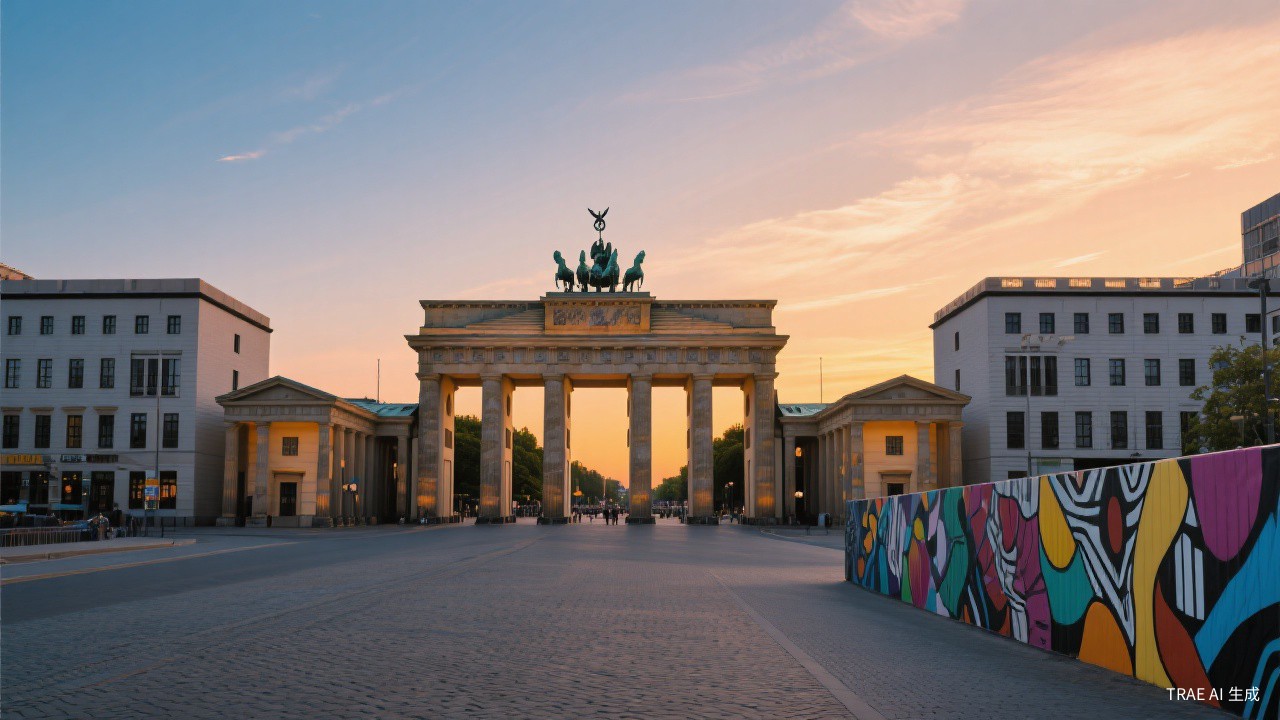
I recommend giving yourself at least four days. Spend the first two on Museum Island and the historic center (Unter den Linden, Brandenburg Gate, Reichstag). Dedicate a day to Kreuzberg and Neukölln for street art, food, and shopping. Use the last day for Charlottenburg Palace or the Grunewald forest. Berlin rewards wandering—every neighborhood has its own character, and the U-Bahn makes it easy to hop between them.
Best Time to Go
May through September offers the best weather, with temperatures from 15 to 28 degrees Celsius. Berlin's summers are famously green—Tiergarten, Volkspark Friedrichshain, and Tempelhofer Feld fill with sunbathers, barbecue smoke, and outdoor cinema screenings. The Fête de la Musique in June brings free live music to streets across the city. December's Christmas markets at Gendarmenmarkt and Alexanderplatz are atmospheric, with mulled wine and gingerbread.
January and February are cold and gray, with temperatures around 0 to 5 degrees, but this is when Berlin's indoor culture shines: galleries, theaters, and clubs are in full swing. The Berlinale film festival in February draws celebrities and cinephiles from around the world. Autumn (October to November) brings golden foliage and fewer tourists, though rain is common.
Getting There and Around
Berlin has two airports: Brandenburg (BER), the main international airport, and Tegel (TXL), which handles some domestic flights. BER is 18 kilometers southeast of the city center. The Airport Express (FEX) and S-Bahn trains connect BER to Berlin Hauptbahnhof in about 30 minutes for €3.80. The TXL bus connects Tegel to the U-Bahn network. Taxis cost about €45 to €55 to the center.
Berlin's public transit system (BVG) is extensive and runs 24 hours on weekends. A single ticket is €2.40, a day pass is €7, and a 7-day pass is €34. The U-Bahn (subway), S-Bahn (commuter rail), trams, and buses cover the entire city. The U-Bahn is the fastest way to get around. Bicycles are everywhere—rent through Nextbike or Call-a-Bike for about €1 per 30 minutes.
Where to Stay
Mitte is the most central district, within walking distance of Museum Island, Brandenburg Gate, and the Reichstag. Hotels start at €80 to €200 per night. The area around Hackescher Markt is particularly convenient, with excellent transit connections and plenty of restaurants. Rosenthaler Platz is a good compromise between centrality and local character.
Kreuzberg and Neukölln are Berlin's creative hubs, full of street art, vintage shops, and international food. Rooms cost €50 to €130 per night. Kreuzberg's Oranienstrasse and Neukölln's Weserstrasse are lined with bars and cafes. These neighborhoods are louder and grittier than Mitte but far more interesting.
Prenzlauer Berg is quieter and more residential, with tree-lined streets, playgrounds, and weekend markets at Kollwitzplatz. Hotels and apartments start at €60 to €150 per night. It feels like a village within the city and is popular with families. Charlottenburg, in the west, offers a more elegant experience with the Kurfürstendamm shopping boulevard and the palace—rooms from €70 to €180 per night.
Must-See Attractions
Museum Island
A UNESCO World Heritage Site housing five museums. The Pergamon Museum contains monumental reconstructions including the Ishtar Gate of Babylon and the Pergamon Altar. The Neues Museum holds the 3,300-year-old bust of Nefertiti. The Bode Museum displays Byzantine art and sculpture. Buy a combined ticket for all five museums. Allow a full day.
Cost: €18 combined ticket | Times: 10 AM to 6 PM, closed Mondays
Berlin Wall Memorial (Bernauer Strasse)
The most complete remaining section of the Berlin Wall, preserved as an open-air memorial. A 1.4-kilometer stretch includes the original wall, a death strip, and a viewing platform. The documentation center explains the wall's history through photographs and personal accounts. Far more moving than the more touristy East Side Gallery.
Tickets: Free | Times: 8 AM to 10 PM daily, visitor center 10 AM to 6 PM
Reichstag Dome
The glass dome atop Germany's parliament building offers a 360-degree view of Berlin. A spiraling ramp leads to the top, with mirrors directing light into the debating chamber below. Admission is free but advance online registration is required. Security is strict—bring your passport. Evening visits are particularly atmospheric.
Cost: Free (registration required) | Hours: 8 AM to midnight, last entry 9:45 PM
Tiergarten
Berlin's largest park (210 hectares) stretches from the Brandenburg Gate to the Charlottenburg district. Paths wind through forests, past lakes, and around monuments like the Soviet War Memorial. The park is ideal for cycling, jogging, or picnicking. The Cafe am Neuen See in the center serves beer and food in a beer garden setting.
Entry: Free | Times: Always open
Charlottenburg Palace
Berlin's largest palace, built in the late 17th century as a summer residence for Sophie Charlotte, the first Queen of Prussia. The Baroque interiors include the Porcelain Cabinet and the Golden Gallery. The palace gardens are free to wander and particularly beautiful in spring. The adjacent Museum Berggrün holds modern art including works by Picasso and Klee.
Tickets: €12 for palace, gardens free | Hours: 10 AM to 6 PM, Tuesday to Sunday
Food and Drink
Currywurst — A Berlin institution: sliced pork sausage smothered in curry ketchup and dusted with curry powder, usually served with fries. Curry 36 in Kreuzberg is the most famous spot, with queues at all hours. The sausage is grilled over charcoal and the sauce is made fresh daily.
Döner Kebab at Mustafa's Gemüse Kebap — Berlin's Turkish community invented the döner kebab as it is known worldwide. Mustafa's in Kreuzberg has been serving grilled meat with fresh vegetables and feta in flatbread since 1990. The queue can take 30 to 45 minutes, but the wait is part of the experience.
Berliner Pfannkuchen — A jelly-filled doughnut, traditionally eaten on New Year's Eve (Silvester) but available year-round at bakeries. The best versions have a thin, crispy exterior and are filled with raspberry or plum jam. Try one at any neighborhood Bäckerei—they cost about €1 and make a perfect mid-morning snack.
Schnitzel at Zur letzten Instanz — Berlin's oldest restaurant, dating to 1621, serves a classic Wiener Schnitzel with potato salad and cucumber. The interior has changed little in centuries, with dark wood paneling and copper pots. It is near the Alexanderplatz and far more authentic than the tourist restaurants on the square itself.
Practical Tips
• Berlin is very safe for a major city, but watch for pickpockets on the U-Bahn and around tourist sites.
• Supermarkets like Aldi, Lidl, and Rewe are cheap and everywhere. Buy beer from a supermarket for €0.60 to €1 per bottle.
• Many museums are free on the first Sunday of each month. Check individual museum websites.
• The Berlin WelcomeCard includes transit and discounts at attractions. It is worth it if you plan to visit three or more paid sites.
• Tipping in Berlin is customary but not obligatory. Round up 5 to 10 percent at restaurants.
Traveler's Tip
Take a free walking tour (tip-based) on your first day to get oriented. Sandemans and Alternative Berlin Tours both offer excellent introductions. The Alternative tour covers street art, squats, and Berlin's counter-culture—far more interesting than the standard historical route.