What You Will Find in Bora Bora
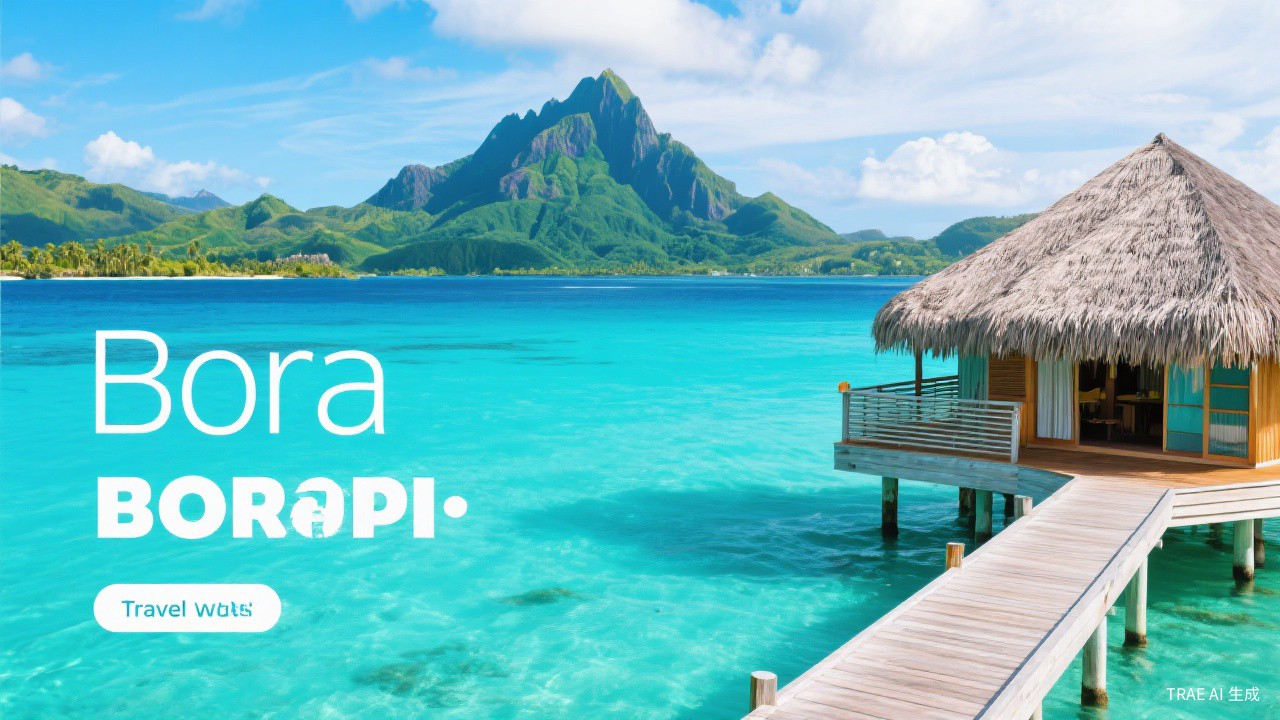
I remember my first afternoon in Bora Bora, I was immediately captivated by the sight of Mount Otemanu rising from the turquoise lagoon like a jagged tooth. This small volcanic island in French Polynesia is surrounded by a barrier reef, and the overwater bungalows that line the motus (small coral islets) are among the most photographed accommodations in the world. I found that the water in the lagoon is so clear that you can see the bottom from 30 meters above.
The lagoon is Bora Bora's greatest asset. I found that snorkeling here means swimming with blacktip reef sharks, rays, and hundreds of tropical fish in water that feels like a warm bath (26-29°C year-round). The coral gardens, on the southern side of the lagoon, contain some of the healthiest coral formations in the South Pacific. Motu excursions, where you spend the day on a private islet with a barbecue lunch, are the standard day trip.
I should warn you that Bora Bora is expensive—among the most expensive destinations in the world. Overwater bungalows at the luxury resorts cost $800-2,000 per night, and food prices are high. But I believe the experience of waking up above turquoise water, stepping off your deck into the lagoon, and watching the sunset behind Mount Otemanu is one that justifies the cost.
Best Time to Go
Bora Bora has a tropical climate with warm temperatures (26-30°C) year-round. The dry season, May to October, is the best time to visit. Humidity is lower, rainfall is minimal, and the risk of cyclones is low. This is the peak season, with the highest prices.
The wet season runs from November to April, with warmer temperatures (28-32°C) and higher humidity. Rainfall comes in short, heavy bursts rather than all-day rain. This is also cyclone season—cyclones are rare but possible, typically January to March. Hotel rates drop 30-40% compared to peak season, and the lagoon is still warm and swimmable.
The water is clearest from July to September, making this the best time for snorkeling and diving. The whale-watching season runs from July to November, when humpback whales visit the waters around French Polynesia.
Getting There and Around
Air Tahiti flies from Tahiti (Papeete) to Bora Bora's Motu Mute Airport on a small propeller plane (50 minutes). The flight crosses the lagoon and lands on a motu—the approach stands out as scenic airline landings in the world. From Papeete, Air France, Air Tahiti Nui, United, French Bee, and other airlines offer connections from Los Angeles (8 hours), Auckland (5 hours), Paris (22 hours), and Tokyo.
Most resorts provide boat transfers from the airport to the hotel. The main town of Vaitape is on the main island, and water taxis connect Vaitape to the resorts on the motus. Rental cars and bicycles are available on the main island ($30-50 per day for a car).
Once at your resort, boat excursions, snorkeling trips, and lagoon tours are arranged by the hotel. The lagoon is calm enough for small boats year-round.
Where to Stay
Overwater bungalows are the signature Bora Bora experience. The Four Seasons, St. Regis, Conrad, and InterContinental Thalasso all offer overwater bungalows with glass floor panels, direct lagoon access, and prices ranging from $800-2,000 per night. The experience is extraordinary but comes at a premium.
Beach and garden villas at the same resorts cost $400-800 per night and offer more space and privacy. They are a better value if you plan to spend most of your time on excursions rather than in your room.
Pension-style accommodations on the main island cost $100-250 per night and offer a more local experience. They are basic but clean, and some include meals. This is the budget option in an expensive destination.
Must-See Attractions
Lagoon Snorkeling
The lagoon surrounding Bora Bora is one of the best snorkeling environments in the world. Blacktip reef sharks, stingrays, and hundreds of tropical fish are common. The Coral Gardens, on the southern side of the lagoon, have healthy coral formations and the most diverse marine life. Most resorts provide snorkel gear free of charge. Guided shark and ray snorkeling tours cost $60-100 per person.
Admission: Free at resorts (tours $60-100) | Open: Best 8 AM-4 PM
Mount Otemanu
The 727-meter volcanic peak is the island’s most prominent landmark. The mountain cannot be climbed to the summit (the upper section is too steep and unstable), but guided hikes to the base (about 4 hours round trip) offer close-up views of the peak and panoramic views of the lagoon. The hike is moderate to strenuous. Alternatively, helicopter tours ($250-400 per person) circle the mountain for aerial views.
Tickets: Hike $50-80 with guide, helicopter $250-400 | Hours: Hikes depart 7-8 AM
Motu Excursion
A full-day boat excursion to a private motu (small islet) in the lagoon is the standard Bora Bora day trip. The excursion typically includes snorkeling with rays and sharks, a Polynesian barbecue lunch on the motu, and time to relax on the beach. Most tours depart at 9 AM and return at 3 PM. The cost varies by group size and inclusions.
Cost: $80-150 per person | Open: 9 AM-3 PM (full day)
Vaitape (Main Town)
Vaitape is the main town on Bora Bora, with a population of about 5,000. It has a small market, a few restaurants, souvenir shops, and the Protestant church. The town is functional rather than charming—most visitors spend little time here. The waterfront has a few food trucks and local eateries where you can get a meal for $10-15.
Tickets: Free | Open: Shops 8 AM-5 PM
Sunset Cruise
A catamaran or powerboat cruise across the lagoon at sunset stands out as romantic experiences in Bora Bora. The view of Mount Otemanu silhouetted against the orange and pink sky is iconic. Most cruises include champagne and canapes. The cruise lasts 1.5-2 hours and departs from the resort docks or Vaitape.
Cost: $60-120 per person | Hours: Departs 4:30-5 PM (varies by season)
Food and Drink
Poisson Cru (Raw Fish) — Tuna or mahi-mahi marinated in lime juice with coconut milk, tomatoes, onions, and cilantro. This is the national dish of French Polynesia and is served at every restaurant and food truck. A portion costs $12-20 at a restaurant, $5-8 from a food truck in Vaitape.
Fresh Tropical Fruit — French Polynesia has excellent tropical fruit—pineapples, mangoes, papayas, bananas, grapefruit, and coconuts. The fruit is freshest at the Vaitape market. A plate of cut fruit costs $3-5.
French Pastries — As a French overseas territory, Bora Bora has excellent bakeries. Croissants, pain au chocolat, and baguettes are available at the Vaitape supermarket and a few small bakeries. A croissant costs $2-3.
Grilled Lobster — Fresh spiny lobster is available at resort restaurants and on motu excursion lunches. The lobster is grilled over charcoal and served with lime butter. At a resort, expect to pay $40-60; on a motu excursion, it is often included in the price.
Practical Tips
• Budget for high costs. Bora Bora costs a fortune destinations in the world. Meals at resort restaurants cost $40-80 per person. Eat at food trucks in Vaitape for cheaper options.
Bring reef-safe sunscreen. The lagoon’s coral is fragile, and chemical sunscreens damage it. Many resorts provide reef-safe sunscreen.
• Pack motion sickness medication for the small plane from Tahiti. The flight can be bumpy in windy conditions.
Book resort activities in advance. The best lagoon tours and restaurant reservations fill up during peak season.
• Consider a half-board or full-board meal plan at your resort. It can save money compared to paying for individual meals, and the food quality is generally high.
Traveler's Tip
If you are on a budget, stay in a pension on the main island and book day passes at the luxury resorts. You can use the beach, pool, and restaurant facilities for a day fee ($50-100), giving you access to the overwater bungalow experience without the overnight price.