What Makes Budapest Worth Visiting
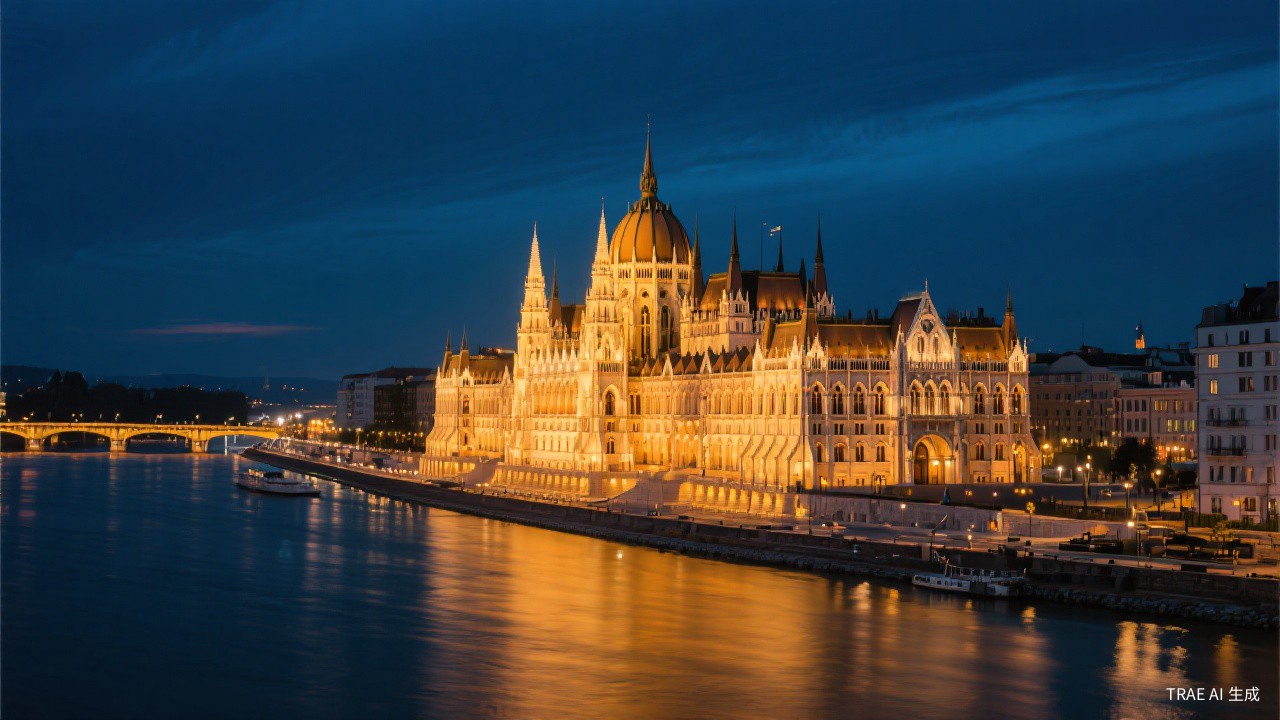
Stepping off the plane in Budapest, I was immediately struck by how the city straddles the Danube River, with the hills of Buda on the west bank and the flat plains of Pest on the east. The Hungarian Parliament Building, with its 268-meter neo-Gothic facade, is one of the largest government buildings in the world and looks especially dramatic when illuminated at night from the Buda side. I found that the Buda Castle District contains the Royal Palace, Matthias Church, and the Fisherman's Bastion with its seven turrets representing the seven Magyar tribes.
Budapest's ruin bar scene is unlike anything else I have experienced in Europe. These bars occupy abandoned buildings in the Jewish Quarter, filling courtyards with mismatched furniture, hanging plants, and art made from recycled materials. Szimpla Kert, the original ruin bar, has been operating since 2001 and feels like stepping into someone's eccentric living room. I also found that Budapest has a serious coffee culture—New York Cafe, opened in 1894, looks stunning coffee houses in the world.
I recommend spending three to four days here. Spend one day exploring Buda Castle and the Fisherman's Bastion, another for the Parliament and St. Stephen's Basilica in Pest, and a third for the thermal baths and the Jewish Quarter. Take an evening Danube cruise to see the city lit up. The Budapest Card (€25 for 24 hours) includes public transit and discounts on baths and museums.
Best Time to Go
April to June and September to October offer the best weather, with temperatures between 15 and 28 degrees. Spring brings the Budapest Spring Festival with classical music and opera performances. The Sziget Festival in August is one of Europe's largest music festivals, drawing 500,000 visitors to an island in the Danube. Autumn is ideal for thermal baths—the outdoor pools are warm while the air is cool.
December brings Christmas markets on Vorosmarty Square and St. Stephen's Basilica, with mulled wine, chimney cake, and ice skating. Winter temperatures drop to -5 to 5 degrees, but the thermal baths are even more appealing. Summer can be hot (30 to 35 degrees) and crowded, though the outdoor pools at Széchenyi and Gellért are at their best.
Getting There and Around
Budapest Ferenc Liszt International Airport (BUD) is 16 kilometers southeast of the center. The 100E airport bus runs to Deak Ferenc Square in 35 minutes for €1.60 (HUF 900). A taxi or Bolt ride costs about €15 to €20. The M2 metro line connects Deak Square to most tourist areas.
Budapest's metro system is the second oldest in the world (after London). A single ticket costs HUF 450 (€0.80), and a 24-hour pass is HUF 2,500 (€6.50). The M1 (yellow) line, built in 1896, is a UNESCO World Heritage Site itself. Trams 2 and 4/6 run along the Danube and are scenic routes. The Bolt app works well for taxis and is cheaper than hailing on the street.
Where to Stay
The Jewish Quarter (District VII) is the most popular area for travelers, with ruin bars, restaurants, and good transit connections. Rooms start at €30 to €120 per night. Kiraly Street and Kazinczy Street are the liveliest. The area can be noisy on weekend nights—request a room away from the street.
The Castle District (District I) offers the most atmospheric setting, with cobblestone streets and views over the Danube. Hotels start at €80 to €250 per night. You pay a premium for the location, but waking up in the middle of a UNESCO World Heritage Site is worth it. The area is quieter at night and has fewer dining options than Pest.
Belvaros (Inner City, District V) puts you between the Parliament and the Central Market Hall. Hotels start at €50 to €180 per night. The area is well-connected by transit and walkable to most attractions. For budget travelers, hostels in the Jewish Quarter start at €10 per night in dorms.
Must-See Attractions
Széchenyi Thermal Bath
Europe's largest public bath complex, opened in 1913 in a grand yellow neo-Baroque building in City Park. The complex contains 18 pools at varying temperatures (18 to 38 degrees Celsius), including three outdoor pools. The architecture alone is worth the visit—columns, domed ceilings, and ornate changing cabins. Go early in the morning for a more peaceful experience.
Entry: €25 full price weekdays, €28 weekends | Hours: 6 AM to 10 PM daily
Fisherman's Bastion
A neo-Gothic terrace on the Buda side of the Danube, built between 1895 and 1905. The seven turrets represent the seven Magyar tribes that founded Hungary. The lower balconies are free and offer the best photo angle of the Parliament across the river. The upper terrace costs a small fee but provides a higher vantage point. Visit at sunrise for the best light.
Cost: Lower level free, upper terrace €3 | Times: 9 AM to 7 PM daily
Hungarian Parliament Building
The third-largest parliament building in the world, completed in 1904 after 17 years of construction. The neo-Gothic exterior stretches 268 meters along the Danube. Guided tours take visitors through the Grand Staircase, the Dome Hall, and the Hungarian Crown Jewels. Book online in advance as tours sell out. The building is most impressive viewed from across the river at dusk.
Cost: €10 for EU citizens, €16 for non-EU | Times: 8 AM to 6 PM, tours in English at 10 AM, 12 PM, 2 PM
Central Market Hall
Budapest's largest indoor market, housed in a magnificent iron-and-glass structure from 1897. The ground floor sells paprika, salami, Tokaji wine, and fresh produce. The upper level has traditional food stalls selling goulash, lángos (fried dough), and stuffed cabbage. The basement has fish and pickled vegetables. Go hungry.
Tickets: Free to enter | Open: 6 AM to 6 PM Monday to Saturday, closed Sundays
Matthias Church
Officially the Church of the Assumption of the Buda, this 14th-century church on Castle Hill has been the site of Hungarian coronations and royal weddings. The interior features colorful Zsolnay tile mosaics and stained glass by Bertalan Székely. The church was extensively restored in the late 19th century in neo-Gothic style. The adjacent Fisherman's Bastion provides the approach.
Tickets: €6 | Times: 9 AM to 5 PM Monday to Saturday, 1 PM to 5 PM Sundays
Food and Drink
Goulash at Gettó Gulyás — Hungary's national dish: a rich beef and paprika stew with potatoes and carrots. Gettó Gulyás in the Jewish Quarter serves a deeply flavored version with bone marrow. The restaurant is unpretentious and popular with locals. A bowl costs about €8.
Lángos — A deep-fried flatbread topped with sour cream, grated cheese, and garlic. The best place to try it is the Central Market Hall upper level, where a lángos with all toppings costs about €3. It is greasy, heavy, and completely delicious.
Chimney Cake (Kürtőskalács) — A Transylvanian pastry made by wrapping dough around a cylinder and roasting it over charcoal, then coating it in sugar and cinnamon. The exterior is crispy and caramelized, the interior soft and doughy. Molnár's Kürtőskalács near the Buda Castle makes some of the best.
Tokaji Wine — Hungary's famous sweet wine from the Tokaj region, known as the "wine of kings." The Aszú varieties are rich, honeyed, and complex. Try a glass at Faust Wine Cellar, a 13th-century cellar in the Castle District. A tasting flight of three wines costs about €12.
Practical Tips
• Hungary uses the forint (HUF), not the euro. Exchange money at banks or ATMs, not at airport kiosks.
• The Bolt app is cheaper than regular taxis. Always use it instead of hailing a taxi on the street.
• Thermal baths are busiest on weekends. Visit on a weekday morning for a more relaxed experience.
• Many restaurants add a 10 to 12 percent service charge. Check the menu before tipping.
• The 2 tram runs along the Pest side of the Danube and stands out as scenic tram rides in Europe.
Traveler's Tip
Visit Szimpla Kert on a Sunday morning for the farmers market. The ruin bar transforms into a food and craft market from 9 AM to 2 PM, with local producers selling cheese, honey, bread, and pickles. You can explore the bar in daylight without the crowds and noise of the evening.