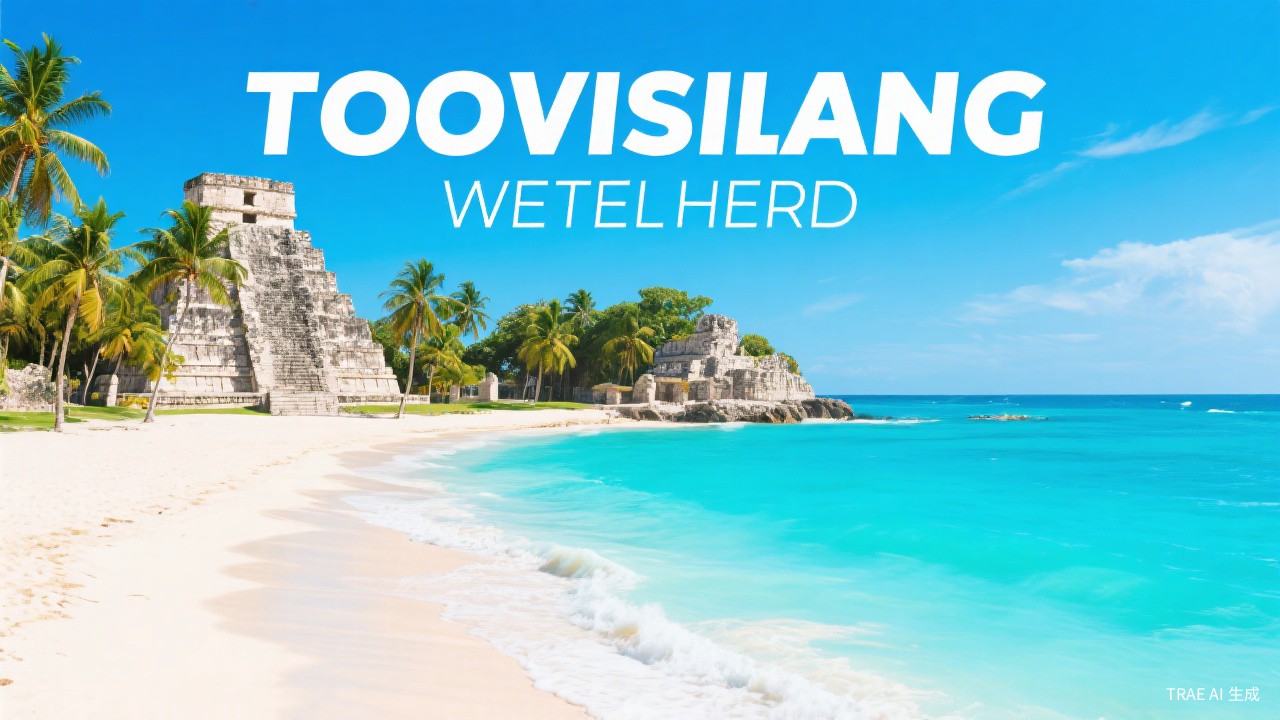
What Makes Cancun Worth Visiting
My first impression I noticed about Cancun, I was immediately struck by the turquoise water and white sand of this Caribbean destination. The city sits at the northeastern tip of Mexico's Yucatán Peninsula, where the Caribbean Sea meets a narrow barrier island. The Hotel Zone—a 22-kilometer strip of sand lined with resorts—has made Cancun one of the most visited beach destinations in the world.
But I found that Cancun's appeal extends well beyond the resorts. The Yucatán Peninsula is home to some of the most significant Maya archaeological sites in the world. Chichén Itzá, a two-and-a-half-hour trip inland, was one of the largest Maya cities and contains the iconic pyramid of El Castillo. Closer to Cancun, the ruins of Tulum perch on a cliff above the Caribbean, and the lesser-known site of Cobá is buried in the jungle.
The peninsula also sits on a vast limestone aquifer, which has created thousands of cenotes—natural sinkholes filled with crystal-clear freshwater. I found that swimming in a cenote, with light filtering through openings in the cave ceiling, stands out as memorable experiences in Mexico. The Great Maya Reef, the second-largest coral reef system in the world, runs offshore and offers excellent snorkeling and diving.
Best Time to Go
December to April is the dry season and the most popular time to visit. Temperatures start at 24-30°C with low humidity and minimal rainfall. This is also the most expensive period, with hotel rates peaking around Christmas, New Year, and Spring Break (March).
May to November is the wet season, with afternoon thunderstorms and higher humidity. That said, rain is usually brief and does not disrupt activities for long. June and July bring sea turtle nesting season on the beaches. September and October are hurricane season—check forecasts before booking. Hotel rates drop significantly during these months, often 30-50% less than peak season.
The shoulder months of November and early December offer a sweet spot: the weather is drying out, crowds are thin, and prices have not yet peaked. The water remains warm for swimming through November.
Getting There and Around
Cancún International Airport (CUN) is Mexico's second-busiest airport, with direct flights from dozens of US cities, plus connections from Canada, Europe, and Latin America. From the US, flights take 3-5 hours depending on origin. The airport is 20-30 minutes from the Hotel Zone.
ADO buses run between the airport and the downtown bus terminal every 15-20 minutes for about $5. Taxis from the airport to the Hotel Zone cost $30-40 and are significantly more expensive than the bus. Pre-booked private transfers cost $25-35 and offer convenience.
Within Cancun, local buses (R-1 and R-2 routes) run the length of the Hotel Zone for about $0.75 per ride. They are frequent and used by both tourists and locals. Taxis are available but expensive—short rides within the Hotel Zone cost $10-15. For day trips to ruins and cenotes, rental cars, organized tours, or colectivos (shared vans) are the main options.
Where to Stay
The Hotel Zone is where most first-time visitors stay. It is divided into a numbered system—KM 0 at the north end near downtown, stretching south to KM 22. The northern end (KM 5-10) has calmer water and is closer to nightlife. The southern end (KM 15-20) has wider beaches and more upscale resorts. Expect to pay $100-400 per night depending on the resort and season.
Isla Mujeres, a 20-minute ferry ride from Cancun, offers a quieter alternative with boutique hotels and a more relaxed pace. Rooms start at $50-200 per night. The island is small enough to explore by golf cart.
Playa del Carmen, one hour south, has grown into a major destination in its own right. It offers a walkable town center, European-style cafes, and access to the same beaches and ruins. Hotels start at $60-300 per night. For a more local experience, the town of Puerto Morelos, halfway between Cancun and Playa del Carmen, has a small-town feel with beachfront accommodations from $80-250.
Must-See Attractions
Chichén Itzá
One of the New Seven Wonders of the World, this Maya city reached its peak between AD 600 and 1200. The pyramid of El Castillo (also called Kukulcán) dominates the central plaza and demonstrates the Maya's advanced understanding of astronomy—during the spring and autumn equinoxes, a shadow serpent appears to descend the staircase. The site also contains the largest ball court in Mesoamerica, the Sacred Cenote (where offerings were thrown), and the Temple of Warriors with its rows of carved columns. Arrive when gates open at 8 AM to beat the heat and crowds.
Entry: $25 USD | Times: 8 AM-5 PM daily
Isla Mujeres
This small island (7 kilometers long) sits 13 kilometers off the coast. The ferry from Puerto Juárez takes 20 minutes and costs about $3 each way. Playa Norte, on the north end, has shallow turquoise water and is one of the best beaches in the region. Rent a golf cart ($50-60 per day) to explore the island, including the Punta Sur sculpture garden at the southern tip. The island's town center has restaurants, shops, and a relaxed atmosphere. Snorkeling at the underwater museum (MUSA) features over 500 sculptures submerged in the sea.
Cost: Ferry $3 each way | Open: Ferries from 5 AM-9 PM
Cenotes of the Riviera Maya
The limestone bedrock of the Yucatán Peninsula is riddled with cenotes—natural sinkholes exposing groundwater. Popular ones near Cancun include Cenote Dos Ojos (two connected sinkholes with excellent snorkeling), Gran Cenote (clear water and cave formations), and Cenote Azul (an open-air cenote great for swimming). Most charge $5-15 entry and provide life jackets. The cave cenotes, like Cenote Aktun-Ha, offer a more adventurous experience with stalactites and limited natural light.
Entry: $5-15 per cenote | Hours: 8 AM-5 PM (varies)
Tulum Archaeological Site
These Maya ruins sit on a 12-meter cliff overlooking the Caribbean Sea, creating one of the most photogenic archaeological sites in Mexico. The site is small compared to Chichén Itzá but uniquely beautiful because of its coastal setting. The Temple of the Frescoes contains painted murals, and the Castillo is the tallest structure on the cliff. The beach below the ruins is accessible by a staircase and is excellent for swimming. Arrive early—by 10 AM, tour buses fill the site.
Entry: $5 | Times: 8 AM-5 PM daily
Xcaret Eco Park
This large eco-archaeological park covers 200 acres along the coast south of Playa del Carmen. Activities include snorkeling in underground rivers, swimming with dolphins, a butterfly pavilion, a coral reef aquarium, and a recreated Maya village. The evening show, "Xcaret México Espectacular," features traditional music and dance from across Mexico. It is a full-day experience. Food and activities cost extra beyond the entrance fee.
Cost: $100-130 (depending on package) | Open: 8:30 AM-10 PM
Food and Drink
Cochinita Pibil — A Yucatecan specialty of pork marinated in achiote paste and bitter orange juice, wrapped in banana leaves, and slow-roasted underground. The result is tender, deeply flavored meat. Try it in tacos or tortas at local restaurants. La Cochinita in Playa del Carmen is well-regarded. Budget $5-10 for a taco plate.
Ceviche — Fresh fish or shrimp marinated in lime juice with tomatoes, onions, cilantro, and chili. The coastal location means the seafood is excellent. Every beachfront restaurant serves it. A portion costs $8-15. Try it with a cold Mexican beer at a beach bar in the Hotel Zone.
Tacos al Pastor — Pork carved from a vertical spit, served on small corn tortillas with pineapple, onion, and cilantro. The technique was brought to Mexico by Lebanese immigrants. You will find excellent versions at street stands and small restaurants throughout Cancun. A taco costs $0.50-1.50. Try Tacos Rigo in downtown Cancun.
Marquesitas — A Yucatecan street snack—a thin, crispy crepe filled with Nutella and Edam cheese. The combination sounds unusual but works. You will find marquesita stands in parks and plazas, especially in the evening. One costs about $2-3. It is a sweet-savory snack unique to the Yucatán.
Practical Tips
• Use pesos for all transactions. Prices quoted in dollars are usually at unfavorable exchange rates. ATMs in the Hotel Zone charge high fees—use bank ATMs in downtown Cancun.
• Drink bottled water only. Tap water is not safe to drink in most of Mexico, including Cancun. Most restaurants use purified water for ice and food preparation.
• Negotiate taxi fares before getting in. Taxis in Cancun do not use meters, and prices are not standardized. Ask your hotel concierge for the going rate to your destination.
• Apply reef-safe sunscreen. Chemical sunscreens damage coral reefs, and many cenotes and parks require biodegradable sunscreen or prohibit sunscreen altogether.
Book Chichén Itzá tours for early morning. The site gets brutally hot by midday, and the crowds arriving after 10 AM diminish the experience significantly.
Traveler's Tip
Skip the all-inclusive for at least a few meals and eat in downtown Cancun. The restaurants along Avenida Yaxchilán and in the Mercado 28 area serve authentic Yucatecan food at a fraction of Hotel Zone prices.