Rose of the North
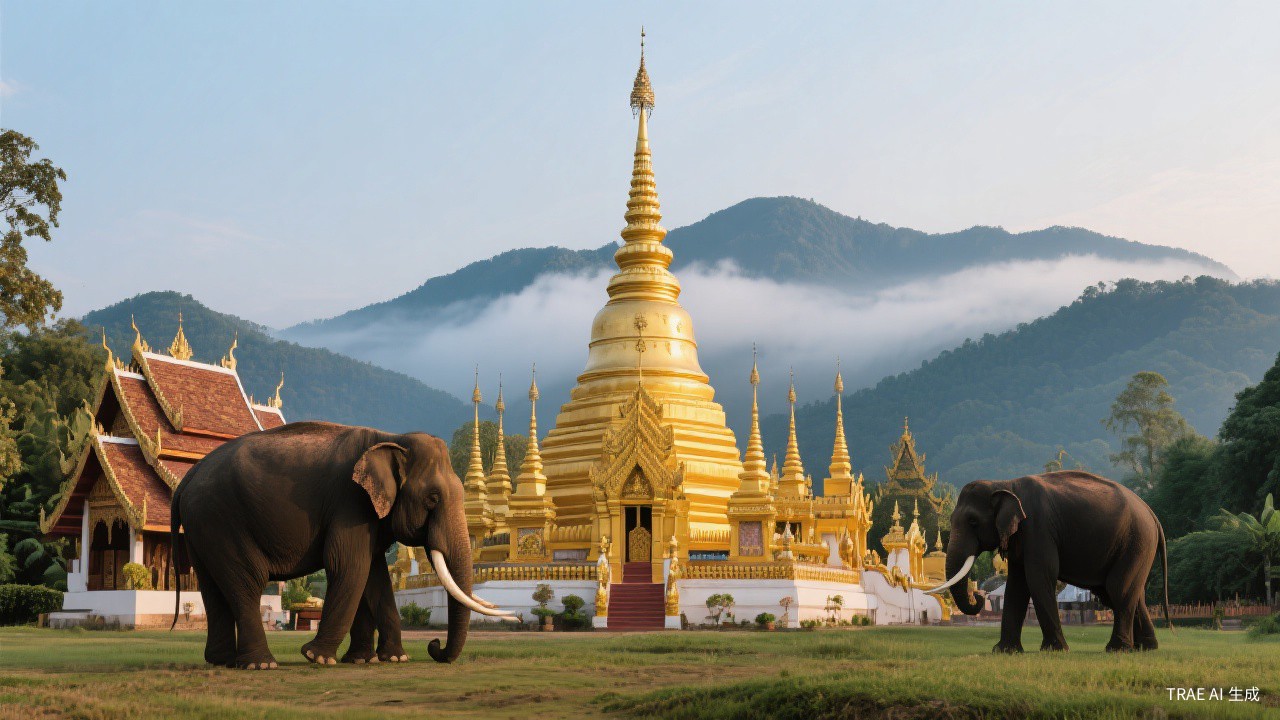
Chiang Mai, often called the "Rose of the North," is the largest city in northern Thailand and the cultural capital of the Lanna region, a kingdom that flourished independently of central Thailand for over 600 years. The city was founded in 1296 by King Mengrai as the capital of the Lanna Kingdom and served as a center of Buddhist learning, trade, and artistic achievement for centuries. Unlike the flat plains of central Thailand, Chiang Mai is nestled in a mountain valley at an elevation of approximately 310 meters above sea level, giving it a cooler climate and a more relaxed pace of life than Bangkok. The city's moated old town, surrounded by the remains of ancient walls and gates, preserves the layout and atmosphere of a traditional Thai city.
The Lanna culture that defines Chiang Mai is distinct from the Siamese culture of central and southern Thailand in ways that are immediately apparent to visitors. The Lanna language, still spoken by older residents, has a different tonal system from standard Thai. Lanna architecture features a distinctive style with pointed wooden roofs and elaborate naga serpent decorations. Lanna cuisine is subtly different from central Thai food, with a greater emphasis on bitter flavors, turmeric, and local herbs that grow in the northern mountains. This cultural distinctiveness gives Chiang Mai a unique identity within Thailand and makes it a fascinating destination for travelers who have already experienced the south.
Chiang Mai's geography is one of its greatest assets, with the city sitting in a broad valley surrounded by mountains that rise to over 2,000 meters. Doi Suthep, the mountain immediately west of the city, is a sacred peak crowned by one of northern Thailand's most important temples and covered in lush forest that is home to numerous hill tribe villages. The mountainous terrain creates a microclimate that is significantly cooler and less humid than Bangkok, with temperatures occasionally dropping to 10 degrees Celsius during the cool season from November to February. This pleasant climate, combined with the city's natural beauty and cultural richness, has made Chiang Mai one of the most popular destinations in Southeast Asia for both short-term visitors and long-term residents.
In recent years, Chiang Mai has emerged as a major digital nomad hub, attracting remote workers from around the world with its affordable cost of living, fast internet, and high quality of life. The city now hosts one of the largest expatriate communities in Thailand, with an estimated 40,000 foreign residents living in and around the city. This international community has contributed to a thriving cafe and co-working scene, with numerous establishments catering specifically to remote workers. Despite this modern international influence, Chiang Mai has managed to preserve its traditional character, and the coexistence of ancient temples and modern co-working spaces is one of the city's most appealing paradoxes.
Temples
Wat Phra That Doi Suthep is Chiang Mai's most important and most visited temple, perched on the summit of Doi Suthep mountain at an elevation of 1,053 meters above sea level. The temple was founded in 1383 and is believed to enshrine a relic of the Buddha, making it one of the most sacred sites in northern Thailand. The approach to the temple requires climbing 309 steps flanked by magnificent naga serpent railings, or alternatively, a funicular railway provides access for those who prefer not to climb. The golden chedi, or stupa, at the center of the temple complex is visible from much of Chiang Mai city below and is particularly beautiful when illuminated at night. On clear days, the temple terrace offers panoramic views of the entire Chiang Mai valley.
Wat Chedi Luang is one of the most historically significant temples in Chiang Mai, home to the ruins of a massive chedi that was once the tallest structure in the ancient Lanna Kingdom. The chedi, originally built in the 15th century to a height of 82 meters, was partially destroyed by an earthquake in 1545 and has never been fully restored, giving it a hauntingly beautiful appearance. The temple grounds also contain the city pillar, or Lak Mueang, which according to legend was the first structure built when Chiang Mai was founded. Wat Chedi Luang is also known for its monk chat program, where visitors can engage in informal conversations with Buddhist monks to learn about Buddhism and monastic life.
Wat Phra Singh is perhaps the most architecturally beautiful temple in Chiang Mai and houses the Phra Singh Buddha image, one of northern Thailand's most revered religious artifacts. The temple was founded in 1345 and features classic Lanna architectural elements including a multi-tiered roof with elaborate finials, gilded lacquer decorations, and intricate naga serpent carvings. The wihan, or assembly hall, contains some of the finest Lanna-style mural paintings in existence, depicting scenes from the life of the Buddha and the Jataka tales. The temple is particularly active during Songkran, the Thai New Year in April, when the Phra Singh Buddha image is paraded through the streets of Chiang Mai in a colorful procession.
Wat Umong, or the Tunnel Temple, is one of Chiang Mai's most unique and atmospheric temples, distinguished by a network of ancient tunnels built into a forested hillside. The tunnels were constructed in the late 14th century and contain ancient Buddha images, murals, and shrines that are lit by natural light filtering through openings in the tunnel walls. The temple grounds are covered in mature forest and feature a large pond with a small island pavilion, creating a meditative atmosphere that feels far removed from the city despite being located just a few kilometers west of the old town. Wat Umong is also known for the Buddhist sayings posted on trees throughout the grounds in both Thai and English, offering philosophical reflections for visitors to contemplate as they walk.
Markets
The Chiang Mai Night Bazaar is one of the largest and most famous night markets in Thailand, stretching for several blocks along Chang Klan Road in the eastern part of the city. The market operates every evening from approximately 6:00 PM until midnight and features hundreds of vendors selling handicrafts, clothing, accessories, artwork, and souvenirs. The quality of goods at the Night Bazaar is generally higher than at many Thai markets, with a strong emphasis on locally made products including handwoven textiles, silver jewelry, woodcarvings, and celadon ceramics. Bargaining is expected and part of the experience, with vendors typically quoting prices 20 to 50 percent above their bottom line.
The Sunday Walking Street Market, held every Sunday evening along Ratchadamnoen Road from Tha Phae Gate to Wat Phra Singh, is a beloved Chiang Mai tradition that transforms the old town into a vibrant pedestrian market. The market is larger and more varied than the Night Bazaar, with a stronger focus on locally made crafts, art, and food. Dozens of street food vendors set up along the route, offering an incredible variety of northern Thai specialties including sai ua, a spicy northern Thai sausage; khao soi, the iconic northern curry noodle soup; and an array of traditional sweets. Live music performances at various points along the street add to the festive atmosphere.
Warorot Market, also known as Kad Luang, is Chiang Mai's oldest and most authentic market, a bustling indoor and outdoor market that has been serving the local community since the early 20th century. The market is located near the Ping River in the northern part of the old town and is where Chiang Mai residents come to buy fresh produce, dried goods, spices, textiles, and household items. The food section on the ground floor is particularly outstanding, with vendors selling northern Thai dishes, Chinese specialties, and an enormous variety of snacks and sweets. Warorot Market is far less tourist-oriented than the Night Bazaar or Sunday Walking Street, making it an excellent place to experience everyday life in Chiang Mai.
The Muang Mai Market is Chiang Mai's largest wholesale market and a fascinating destination for food enthusiasts who want to experience the full breadth of northern Thai ingredients. The market operates primarily in the early morning, with vendors arriving before dawn to set out their wares. The produce section features an astonishing variety of fruits, vegetables, herbs, and spices, many of which are unique to northern Thailand and rarely seen in Bangkok or southern Thailand. The market also has sections dedicated to dried goods, fermented products, and prepared foods. Visiting Muang Mai Market requires an early start, ideally before 7:00 AM, but the experience of witnessing the bustling wholesale trade and discovering unfamiliar ingredients is well worth the effort.
Elephant Experiences
Thailand's relationship with elephants is deeply rooted in the country's history and culture, with the Asian elephant serving as the national symbol and playing important roles in logging, transportation, and warfare over the centuries. Chiang Mai and the surrounding province have long been a center of elephant activity in Thailand, and the region is home to numerous elephant camps and sanctuaries. However, the treatment of elephants in the tourism industry has come under increasing scrutiny in recent years, and visitors to Chiang Mai should be aware of the ethical considerations involved in choosing an elephant experience. The most responsible approach is to seek out sanctuaries that prioritize elephant welfare over entertainment.
Ethical elephant sanctuaries in the Chiang Mai area have emerged as a humane alternative to the traditional elephant camps that offered riding and performance shows. These sanctuaries, such as Elephant Nature Park, have rescued elephants from abusive situations including logging camps, street begging, and riding camps, and provide them with a natural environment where they can roam freely. Visitors to ethical sanctuaries can observe elephants from a respectful distance, help prepare their food, and assist with bathing them in the river, but riding, hooks, and forced performances are strictly prohibited. The experience of watching formerly abused elephants recover and thrive in a natural environment is profoundly moving and educational.
Elephant Nature Park, founded by Lek Chailert in the 1990s, is widely regarded as the gold standard for ethical elephant tourism in Thailand and has won numerous international awards for its conservation work. The park is home to over 100 rescued elephants, many of whom have visible physical and emotional scars from their previous lives. In addition to elephants, the park has expanded to provide sanctuary for rescued dogs, cats, buffaloes, and other animals. The park offers single-day and multi-day visit programs, with all proceeds going toward the care of the animals and the park's broader conservation and community outreach initiatives. Advance booking is essential, as the park's programs frequently sell out.
For visitors who want to contribute to elephant conservation without visiting a sanctuary, the Elephant Parade store in Chiang Mai offers hand-painted elephant figurines created by local and international artists. A portion of proceeds from each sale goes to the Asian Elephant Foundation, which supports elephant welfare projects across Asia. Additionally, several organizations in Chiang Mai offer volunteer programs that allow visitors to spend extended periods working with elephants and contributing to conservation efforts. These programs range from one-week commitments to multi-month placements and provide a deeper understanding of the challenges facing Asian elephants in the modern world.
Outdoor Adventures
Doi Inthanon National Park, located approximately 100 kilometers southwest of Chiang Mai, is home to Doi Inthanon, the highest mountain in Thailand at 2,565 meters above sea level. The park encompasses a diverse range of ecosystems from lowland deciduous forest to cloud forest at the summit, supporting an extraordinary variety of flora and fauna including over 380 species of birds. The summit area features the King and Queen Pagodas, two beautiful chedis built to honor the Thai royal couple, surrounded by manicured gardens that are particularly spectacular when the surrounding mountains are covered in wildflowers during the cool season. The park offers numerous hiking trails of varying difficulty, from short nature walks to multi-day treks through remote forest.
Chiang Mai has become one of the premier destinations in Southeast Asia for ziplining and canopy adventures, with several companies operating courses that send participants soaring through the treetops of old-growth forests. Flight of the Gibbon, one of the oldest and most established operators, offers a course with over 3 kilometers of ziplines, including one of the longest single ziplines in Asia at 800 meters. The courses typically include multiple ziplines, sky bridges, and abseiling descents, and are suitable for most fitness levels. Safety standards at the reputable operators are high, with modern equipment and thorough briefings provided before each session. The experience of flying through the canopy with views of the surrounding mountains is exhilarating and provides a unique perspective on the northern Thai forest.
White-water rafting on the Mae Taeng River is one of the most popular adventure activities in the Chiang Mai area, offering rapids ranging from Class 2 to Class 4 depending on the season and the chosen section of the river. The rafting season runs from June to January, with the highest water levels and most exciting rapids occurring during the rainy season from July to October. Most rafting operators offer half-day and full-day trips that include transportation from Chiang Mai, equipment, and a riverside lunch. The river flows through a beautiful valley lined with forested hills and hill tribe villages, adding scenic value to the adrenaline of navigating the rapids. No experience is necessary for the standard trips, as guides provide thorough instruction and accompany each raft.
Mountain biking has become increasingly popular around Chiang Mai, with a growing network of trails and roads that cater to all skill levels from casual cyclists to experienced mountain bikers. The trails on Doi Suthep and in the surrounding national parks offer challenging terrain with rewarding views, while the flatter roads through the valley provide pleasant scenic rides through rice paddies, orchards, and traditional villages. Several companies in Chiang Mai offer guided mountain biking tours that include bike rental, helmets, and transportation to the trailheads. The cool season from November to February is the best time for cycling, with comfortable temperatures and clear skies making outdoor activities far more enjoyable than during the hot season.
Traveler's Tip
Always check the latest travel advisories and entry requirements before planning your trip. Requirements can change, so verify visa policies, health recommendations, and safety guidelines with official government sources before you go.
Related Articles
AsiaThe Ultimate Tokyo Travel Guide: From First-Timer to Expert
Tokyo is a dazzling metropolis where centuries-old traditions coexist with cutting-edge technology. This comprehensive guide covers everything you need to plan an unforgettable trip to Japan's dynamic capital.
AsiaKyoto Travel Guide: Exploring Japan's Ancient Capital
Kyoto is the cultural heart of Japan, home to over 2,000 temples and shrines, exquisite gardens, and living traditions that have been preserved for over a millennium. This guide reveals the best ways to experience this extraordinary city.
AsiaBangkok In-Depth: Temples, Street Food, and Night Market Culture
Bangkok is a city of contrasts where ornate temples stand beside gleaming skyscrapers and ancient traditions thrive alongside modern urban life. This guide explores the best of Thailand's vibrant capital.