What You Will Find in Chile
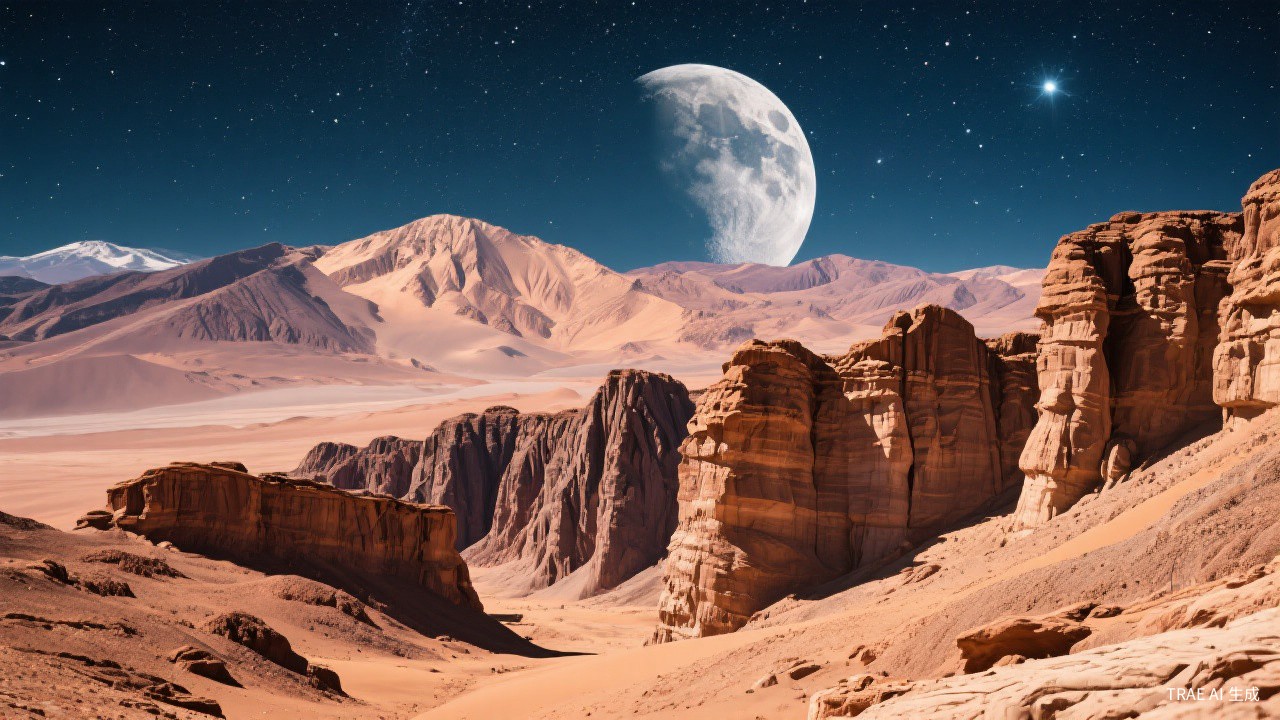
Chile stretches 4,300 kilometers along the western edge of South America, from the driest desert on Earth to the glaciers of Patagonia. This extreme length creates a country of remarkable geographic diversity: the Atacama Desert in the north has terrain so alien that NASA tests Mars rovers there; the central valley produces some of the world's finest wines; and the south dissolves into fjords, islands, and ice fields.
Santiago, the capital, sits in a basin surrounded by the snow-capped Andes. The city has undergone a transformation in the past two decades, with revitalized neighborhoods, a growing restaurant scene, and an efficient metro system. The Central Market (Mercado Central) and the Bellavista neighborhood offer food and nightlife, while the Museo de la Memoria documents the Pinochet era.
The Atacama Desert, in the north, is the stargazing capital of the world. The combination of high altitude, zero light pollution, and 300+ clear nights per year makes it the site of major international observatories. The Valle de la Luna (Moon Valley) and the El Tatio geysers are the most popular day trips from the town of San Pedro de Atacama.
Best Time to Go
Chile's size means there is no single "best time." In the Atacama Desert, the weather is consistent year-round—dry, sunny, with cool nights (5-10°C) and warm days (20-25°C). The clearest skies for stargazing are from March to November.
Central Chile (Santiago, Valparaíso, wine regions) has a Mediterranean climate. Summer (December to March) is dry and warm (25-35°C). Autumn (March to May) is ideal—mild temperatures, fall colors in the vineyards, and fewer tourists. Winter (June to September) brings rain to Santiago and snow to the Andes ski resorts.
Patagonia (Torres del Paine) is best visited from November to March, when temperatures reach 10-18°C and the wind is (slightly) less ferocious. December and January are the busiest months. The wind is a constant factor—pack windproof layers regardless of season.
Getting There and Around
Comodoro Arturo Merino Benítez International Airport (SCL) in Santiago is Chile's main gateway, with direct flights from Miami, New York, Dallas, Atlanta, Madrid, Barcelona, Sydney, Auckland, and major South American cities. From the US, flights take 10-12 hours.
Domestic flights connect Santiago to all major destinations. LATAM is the dominant carrier. Flights to Calama (Atacama gateway) take 2 hours (CLP 40,000-80,000). Flights to Punta Arenas (Patagonia gateway) take 3.5 hours. Book early for better fares.
Chile has an excellent long-distance bus system. TurBus and Pullman operate comfortable double-decker buses with reclining seats (salón cama class) between major cities. The bus from Santiago to Valparaíso takes 1.5 hours and costs CLP 5,000-8,000. For Patagonia, the Navimag ferry offers a scenic three-day route from Puerto Montt to Puerto Natales through the fjords.
Where to Stay
Santiago has accommodations in several areas. Lastarria and Bellavista are the most atmospheric neighborhoods, with boutique hotels and restaurants. Expect to pay CLP 40,000-80,000 ($50-100) per night for mid-range hotels. Providencia is a safe, central residential area with good metro access.
San Pedro de Atacama is the base for desert exploration. The town is small but packed with hotels and tour operators. Mid-range hotels cost CLP 50,000-100,000 ($65-130) per night. Higher-end options like Explora or Awasi offer all-inclusive packages ($800+ per night) with guided excursions.
Punta Arenas and Puerto Natales serve as bases for Torres del Paine. Hotels in Puerto Natales cost CLP 40,000-80,000 per night. Inside the park, refugios (dormitory-style lodges) cost CLP 30,000-60,000 per night, and luxury lodges like Explora Patagonia run $800-1,200 per night. Book park accommodations months in advance.
Must-See Attractions
Torres del Paine National Park
This UNESCO Biosphere Reserve in southern Patagonia contains granite towers, glacial lakes, and vast open steppe. The W Trek (5 days) and the O Circuit (9 days) are among the most famous multi-day hikes in the world. Day visitors can reach the base of the Torres on a 10-hour round-trip hike, or take shorter walks to Grey Glacier and the Salto Grande waterfall. The park is massive—allow at least 3-4 days. Wind is the defining feature; gusts can exceed 100 km/h. Park entry costs CLP 35,000 (foreigners) and must be reserved online in advance.
Cost: CLP 35,000 per day | Open: October to April (full season), reduced access in winter
Valle de la Luna (Atacama Desert)
The Moon Valley, 13 kilometers from San Pedro de Atacama, contains sand dunes, salt formations, and rock structures that resemble a lunar Scenery. Visit during is at sunset, when the changing light turns the valley shades of red, orange, and purple. A dirt road runs through the valley with several viewpoints. Guided tours include stops at the Three Marias rock formations and the salt caverns. Bring water and sun protection—the desert sun is intense even at 2,400 meters altitude.
Entry: CLP 3,000 ($4) | Open: 8:30 AM-6 PM
El Tatio Geysers
At 4,300 meters above sea level, this is one of the highest geyser fields in the world. More than 80 active geysers erupt at dawn, sending columns of steam up to 10 meters high. Tours leave San Pedro at 4 AM to arrive for sunrise, when the temperature contrast between the boiling water and freezing air creates the most dramatic displays. After the geysers, tours stop at natural hot springs for a warm soak. The altitude can cause shortness of breath—move slowly.
Admission: Tours CLP 15,000-25,000 ($20-33) | Open: Tours depart 4 AM, return 10 AM
Valparaíso
This port city, 120 kilometers northwest of Santiago, is built on steep hillsides overlooking the Pacific. Colorful houses climb the hills, connected by 15 historic funicular elevators. The city is a UNESCO World Heritage site and Chile's cultural capital, with street art covering building facades throughout the hill neighborhoods. La Sebastiana, Pablo Neruda's former home, is now a museum. The Mercado del Puerto serves fresh seafood. Allow a full day.
Cost: Free to explore (funiculars CLP 300) | Times: Always open (museums 10 AM-6 PM)
Easter Island (Rapa Nui)
This remote volcanic island in the Pacific, 3,700 kilometers from the Chilean mainland, is famous for its nearly 900 moai statues carved between the 13th and 16th centuries. The moai at Rano Raraku quarry (where they were carved) and the ceremonial site of Tongariki (15 moai in a row at sunrise) are the most impressive. The island is small (163 square kilometers) but rich in archaeology, with petroglyphs, cave paintings, and ceremonial platforms. Flights from Santiago take 5.5 hours and cost CLP 150,000-300,000 round trip.
Cost: National park entry CLP 80,000 ($105) | Times: Park 8 AM-5 PM
Food and Drink
Pastel de choclo — A corn pie made with ground beef, chicken, olives, hard-boiled eggs, and onions, topped with a sweet corn crust and baked until golden. It is a traditional Chilean comfort food. Try it at a restaurant in Santiago's Bellavista neighborhood or at the Mercado Central. Budget CLP 8,000-12,000 ($10-15).
Ceviche — Chilean ceviche typically uses corvina (sea bass) or reineta, marinated in lime juice with onions, cilantro, and aji peppers. It is lighter and less creamy than other Latin American versions. Every coastal restaurant serves it. Budget CLP 10,000-15,000 ($13-20) for a generous portion.
Empanadas de pino — Baked pastry filled with seasoned ground beef, onions, a piece of hard-boiled egg, and a black olive. These are sold at bakeries and restaurants throughout Chile. A large empanada is a meal in itself. Budget CLP 2,000-4,000 ($2.50-5). Try them fresh from the oven at a local panadería.
Carménère Wine — This red grape was thought to be Merlot until DNA testing in 1994 revealed it was Carménère, a variety that had been extinct in France since the 19th century. Chile is now the world's primary producer. The Colchagua and Maipo valleys produce excellent examples. Winery tours and tastings cost CLP 10,000-30,000 ($13-40).
Practical Tips
• Reserve Torres del Paine park entries and refugios online months in advance. The park has a daily visitor limit, and accommodations sell out fast for the November-March season.
• Carry Chilean pesos in cash. Many places in San Pedro de Atacama and Patagonia do not accept credit cards, and ATMs can run out of money.
• Acclimatize to altitude before visiting El Tatio geysers. Spend at least one day in San Pedro (2,400 meters) before ascending to 4,300 meters.
• Pack for all four seasons if visiting Patagonia. Weather changes rapidly, and you may experience sun, rain, snow, and gale-force winds in a single day.
• Download offline Google Maps. Cell coverage is limited in the Atacama Desert, Patagonia, and Easter Island.
Traveler's Tip
If you have the time, take the Navimag ferry from Puerto Montt to Puerto Natales. The three-day voyage through the fjords, past glaciers and islands, stands out as scenic ferry rides in the world and costs far less than flying.