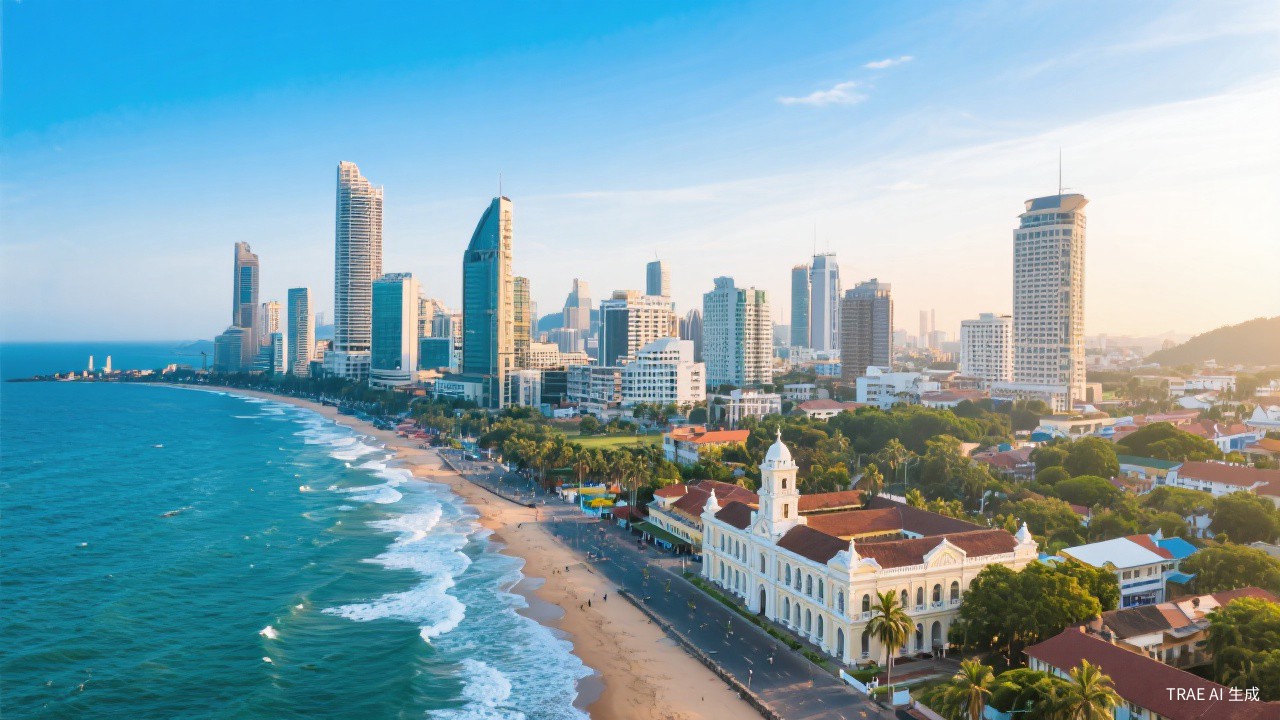
What Makes Colombo Worth Visiting
Colombo is a city in rapid transformation, where colonial-era buildings stand alongside glass towers and where Buddhist temples share blocks with cricket grounds. The Fort district, once a fortified British garrison, has been reborn as a commercial hub with the Dutch Hospital shopping precinct and the red-brick Grand Oriental Hotel. Galle Face Green, a long oceanfront promenade, fills each evening with families flying kites, vendors selling isso wade (shrimp fritters), and couples watching the sunset over the Indian Ocean. The National Museum holds artifacts spanning 2,500 years of Sri Lankan history.
The city's cultural energy comes from its mix of Sinhalese, Tamil, Muslim, and Burgher communities. Each group has left its mark on the food, architecture, and daily life. The Pettah market district is a sensory overload of spice shops, textile wholesalers, and fruit vendors operating from colonial-era buildings. Cricket is a near-religion here—check the schedule at the R. Premadasa Stadium, where international matches draw 40,000 fans. The Colombo Art Biennale, held in alternate years, brings contemporary art installations to heritage buildings across the city.
Two to three days is sufficient for Colombo's highlights. Start with the National Museum and Independence Square in the morning, then explore Galle Face Green at sunset. On day two, wander through Pettah Market and visit the Gangaramaya Temple, an eclectic Buddhist complex with a meditation center and a small lake. Dedicate day three to the southern suburbs—Mount Lavinia Beach and the Dehiwala Zoo, or take a day trip to the coastal town of Negombo.
Best Time to Go
December through March is the best window, with dry weather, calm seas, and temperatures around 27 degrees Celsius. This coincides with the peak tourist season, so hotel rates are at their highest. The Duruthu Perahera in January is a colorful Buddhist procession at Kelaniya Raja Maha Vihara, featuring dancers, elephants, and drummers.
April and November are inter-monsoon periods with brief, heavy showers. The southwest monsoon from May to September brings heavier rain and rough seas, though the city still functions normally. October is the wettest month. If you are traveling during monsoon season, focus on indoor attractions like museums, galleries, and the city's growing cafe scene.
Getting There and Around
Bandaranaike International Airport (CMB) is 35 kilometers north of the city at Katunayake. The airport express bus runs every 30 minutes to Colombo Fort for LKR 300 (about USD 1). A taxi costs LKR 3,500 to 5,000 and takes about 45 minutes depending on traffic. SriLankan Airlines operates direct flights from London, Frankfurt, Dubai, Singapore, Bangkok, and several Indian cities.
Colombo's public buses are cheap (LKR 20 to 50) but crowded and confusing for newcomers. The new Colombo Light Rail is under construction. Tuk-tuks are everywhere—use the PickMe app (Sri Lanka's equivalent of Uber) for metered rides; a typical trip within the city costs LKR 200 to 400. The train from Colombo Fort to the southern coast (Galle, Matara) is scenic and cheap—second class to Galle costs LKR 450 and takes 2.5 hours.
Where to Stay
The Fort and Galle Face area contains the city's most prestigious hotels: the Shangri-La (from USD 200 per night), the Kingsbury (USD 150 to 250), and the historic Galle Face Hotel (USD 120 to 200). This area puts you within walking distance of the Dutch Hospital, the ocean promenade, and the financial district. The colonial architecture and sea views justify the premium prices.
Cinnamon Gardens, a leafy residential neighborhood, offers quieter options like the Colombo Court Hotel (USD 100 to 150) and several guesthouses in the USD 50 to 80 range. The area is close to the National Museum, Viharamahadevi Park, and the city's best restaurants. For budget travelers, hostels in the Kollupitiya area near Galle Road offer dorm beds from USD 10 to 15.
Must-See Attractions
Gangaramaya Temple
This Buddhist temple complex near Beira Lake is one of Colombo's most visited sites. The main temple contains a large Buddha statue and an impressive collection of Buddhist artifacts from across Asia. The Seema Malaka meditation hall, designed by Geoffrey Bawa, floats on the lake and is a serene space for reflection. The temple also maintains a small elephant and an eclectic museum of gifts from foreign dignitaries.
Tickets: LKR 300 | Hours: Daily 6 AM-9 PM
National Museum of Colombo
Sri Lanka's largest museum occupies a grand colonial building and holds artifacts from the Anuradhapura, Polonnaruwa, and Kandy kingdoms. Highlights include the throne of the last Kandyan king, a collection of ancient ola leaf manuscripts, and 19th-century colonial-era exhibits. The grounds contain a statue of Queen Victoria and a small puppet theater.
Cost: LKR 1,000 (foreigners) | Hours: Daily 9 AM-5 PM (closed Fridays)
Pettah Market
Colombo's busiest commercial district is a labyrinth of narrow streets packed with wholesale shops selling spices, textiles, electronics, and housewares. Key streets include Sea Street (jewelry), Main Street (textiles), and Fifth Cross Street (spices). The area is chaotic but fascinating—go in the morning when vendors are freshest and crowds are thinner. Keep valuables secure.
Admission: Free | Times: Mon-Sat 8 AM-6 PM
Galle Face Green
This 500-meter oceanfront promenade has been Colombo's gathering place since the Dutch era. Each evening, the green fills with kite flyers, food vendors, and families enjoying the sea breeze. The iconic Galle Face Hotel at the south end has served tea here since 1864. The sunset views are the best in the city, with the Indian Ocean stretching to the horizon.
Cost: Free | Hours: Always open; vendors from 3 PM
Dutch Hospital Shopping Precinct
The oldest hospital building in the Colombo Fort area has been converted into an upscale shopping and dining complex. The colonial-era courtyards now house restaurants like Ministry of Crab (founded by Sri Lankan cricket legends) and The Commons. Live music plays on weekend evenings. The architecture alone—thick walls, arched colonnades, and a central courtyard—is worth a look.
Cost: Free entry | Times: Daily 10 AM-midnight
Food and Drink
Seafood and crab curry — Ministry of Crab, Dutch Hospital Precinct. LKR 5,000-12,000.
Hoppers (appa) with egg and sambol — The Commons Coffee House, Colombo Fort. LKR 400-600.
Kottu roti (chopped roti with vegetables and meat) — Pillawoos, Galle Road. LKR 300-500.
Ceylon tea and short eats — Barefoot Garden Cafe, Galle Road. LKR 300-800.
Practical Tips
• Use the PickMe app for tuk-tuks—negotiating on the street usually leads to higher prices.
• Sri Lanka runs on a different power socket (Type D) than most countries—bring an adapter.
• Sri Lankan temples require covered shoulders and knees. Remove shoes before entering any temple—most have a shoe rack near the entrance. White clothing is appreciated but not required. The Temple of the Tooth in Kandy is the strictest—guards may turn away visitors in shorts or sleeveless tops.
• The Colombo to Galle train is one of the world's most scenic rail rides—book a seat on the right side for ocean views.
• ATMs are widely available, but carry some cash for small shops and tuk-tuks.
Traveler's Tip
Take the 5 PM train from Colombo Fort to Mount Lavinia (30 minutes, second class LKR 60). The coastal route passes within meters of the Indian Ocean, and the sunset from the open train doors is spectacular. Get off at Mount Lavinia station and walk five minutes to the beach for dinner at one of the seafood restaurants overlooking the water.