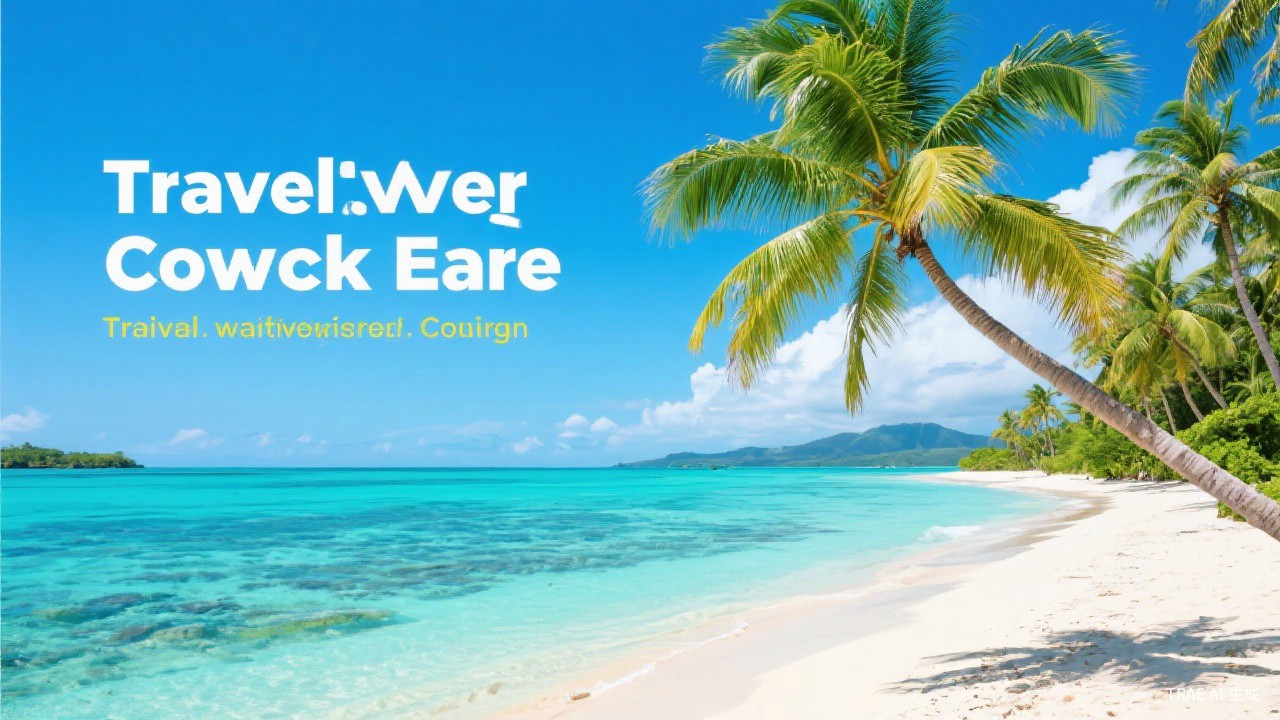
The Real Cook Islands
The Cook Islands, a self-governing nation in free association with New Zealand, consist of 15 islands scattered across 2 million square kilometers of the South Pacific. Rarotonga, the largest island, is the main destination—a volcanic island surrounded by a lagoon and reef, with a population of about 10,000. Aitutaki, 45 minutes by air to the north, has one of the most beautiful lagoons in the world.
Rarotonga is small enough to travel around in 45 minutes, but it packs a lot into its 67 square kilometers. The cross-island hike (about 3-4 hours one way) climbs through tropical forest to the needle-shaped peak of Te Rua Manga (The Needle). The island is ringed by a lagoon with excellent snorkeling, and Muri Beach on the east coast has the best swimming and kayaking. The Saturday market at Punanga Nui is the social event of the week, with food, crafts, and live music.
Aitutaki's lagoon is the main draw—a vast expanse of turquoise water dotted with small sand motus (islets). The lagoon cruise, which visits several motus and includes snorkeling and a barbecue lunch, draws huge crowds day trips in the South Pacific. The water clarity is extraordinary—you can see the bottom from the surface in 20 meters of water.
Best Time to Go
The Cook Islands have a tropical climate with warm temperatures (24-30°C) year-round. The dry season, April to November, is the best time to visit. Humidity is lower, rainfall is minimal, and temperatures are comfortable. This is the peak season, especially July and August (New Zealand and Australian school holidays).
The wet season, December to March, brings higher humidity and more rain, but showers are usually brief. Temperatures reach 28-32°C. This is cyclone season—cyclones are rare but possible. Hotel rates are lower during this period.
The water is clearest from June to October, making this the best time for snorkeling and lagoon activities. The trade winds provide a cooling breeze during these months.
Getting There and Around
Rarotonga International Airport (RAR) has direct flights from Auckland (4 hours), Sydney (6 hours, seasonal), and Los Angeles (10 hours, via Auckland). Air New Zealand is the primary carrier.
On Rarotonga, the clockwise and counter-clockwise bus routes circle the island (NZ$5 per ride, NZ$25 for a day pass). Rental cars and scooters are also available (NZ$40-60 per day for a car, NZ$25-35 for a scooter). The island is small enough to explore in a day.
Air Rarotonga flies to Aitutaki in 45 minutes (NZ$200-300 round trip). The flight crosses the lagoon and offers aerial views of Aitutaki's motus. On Aitutaki, rental cars and scooters are available for exploring the island.
Where to Stay
Rarotonga (Muri Beach area) is the most popular place to stay, with the island's best beach and lagoon access. Resorts and guesthouses start at NZ$80-400 per night. Muri Beach has several small resorts and vacation rentals.
Rarotonga (other areas) has accommodations on all coasts. The west coast (Arorangi, Tupapa) has sunset views and mid-range hotels (NZ$60-200 per night). The north coast is quieter.
Aitutaki has a small number of resorts and guesthouses (NZ$80-300 per night). Most visitors stay 2-3 nights. The island is quieter and more relaxed than Rarotonga. For budget travelers, hostels on Rarotonga charge NZ$25-40 per bed.
Must-See Attractions
Cross-Island Hike (Rarotonga)
This 3-4 hour hike (one way) crosses Rarotonga from the south coast to the north coast, climbing through tropical forest to the base of Te Rua Manga (The Needle), a sharp rock pinnacle. The trail is steep and muddy in places—wear good shoes and bring water. A guide (NZ$50-80) is recommended as the trail is not always well-marked. Arrange transport at the trail end for the return trip.
Tickets: Free (guide NZ$50-80) | Times: Start by 8 AM to avoid afternoon heat
Aitutaki Lagoon Cruise
The lagoon cruise is Aitutaki’s signature experience. A boat takes you to several motus (sand islets) in the lagoon, with stops for snorkeling, kayaking, and a barbecue lunch. The water clarity is extraordinary—you can see coral and fish from the boat. The cruise lasts about 5 hours. Operators include The Vaka Cruise and Aitutaki Lagoon Cruises.
Entry: NZ$100-150 per person | Hours: Full day (9 AM-3 PM)
Muri Beach (Rarotonga)
Muri Beach, on the east coast of Rarotonga, is the island’s best beach. The lagoon is calm and clear, with four small motus visible offshore. Kayaking, snorkeling, and paddleboarding are popular. The beach faces east, making it the best spot on the island for sunrise. Kite surfing is available when the trade winds blow. Several small resorts and restaurants line the beach.
Tickets: Free | Open: Always open
Punanga Nui Market (Rarotonga)
This Saturday market in Avarua is the social event of the week on Rarotonga. Vendors sell fresh produce, local crafts, black pearls, and food—including ika mata (raw fish marinated in lime and coconut cream), rukau (taro leaves in coconut cream), and other Cook Islands dishes. Live music and dancing add to the atmosphere. Go early (before 9 AM) for the best selection.
Admission: Free to enter (food NZ$5-15) | Times: Saturday 6 AM-12 PM
Snorkeling the Lagoon (Rarotonga)
The lagoon surrounding Rarotonga has coral formations and tropical fish, though it is not as pristine as Aitutaki’s. The best snorkeling is on the south and southeast sides, near the Fruits of Rarotonga and the Rarotonga Resort. Snorkel gear can be rented from shops in Avarua for NZ$10-15 per day. Sea turtles are occasionally spotted.
Entry: Gear rental NZ$10-15 per day | Open: Best 8 AM-4 PM
Food and Drink
Ika Mata — The Cook Islands’ national dish—raw fish marinated in lime juice and coconut cream with onions, tomatoes, and cucumber. It is similar to ceviche but creamier due to the coconut milk. Try it at the Punanga Nui Market or at any local restaurant. Budget NZ$10-15 per serving.
Rukau — Taro leaves cooked in coconut cream, often served with pork or chicken. This is a traditional Cook Islands dish and a staple at every feast. Try it at a local restaurant or at the Saturday market. Budget NZ$8-12 per serving.
Fresh Tropical Fruit — Rarotonga grows excellent tropical fruit—papayas, bananas, mangoes, pineapples, guavas, and starfruit. The Punanga Nui market has the freshest selection. A plate of cut fruit costs NZ$3-5.
Banana Pancakes — A popular breakfast item at cafes on Rarotonga—thick pancakes served with fresh bananas, maple syrup, and sometimes coconut cream. Try them at the Flame Tree Restaurant or at any beachside cafe. Budget NZ$12-16.
Practical Tips
• Rent a scooter on Rarotonga. It is the most practical way to explore the island (NZ$25-35 per day). The clockwise bus is an alternative but runs on a limited schedule.
Visit the Saturday market in Avarua. It is the best place to experience local food, crafts, and culture. Go early for the best selection.
Bring NZ dollars in cash. While some places accept credit cards, many small vendors and markets are cash-only. ATMs are available in Avarua.
Book Aitutaki flights and lagoon cruises in advance. Both have limited capacity, especially during peak season (July-August).
Try the local beer. Cooks Lager and Cooks Dark are brewed on Rarotonga and are available at every bar and store. A bottle costs NZ$5-7.
Traveler's Tip
If you have 5+ days, spend 3 nights on Rarotonga and 2 on Aitutaki. The contrast between the two islands—Rarotonga’s lush interior and Aitutaki’s extraordinary lagoon—gives you a complete Cook Islands experience. The 45-minute flight between them stands out as scenic in the Pacific.