What You Will Find in Fiji
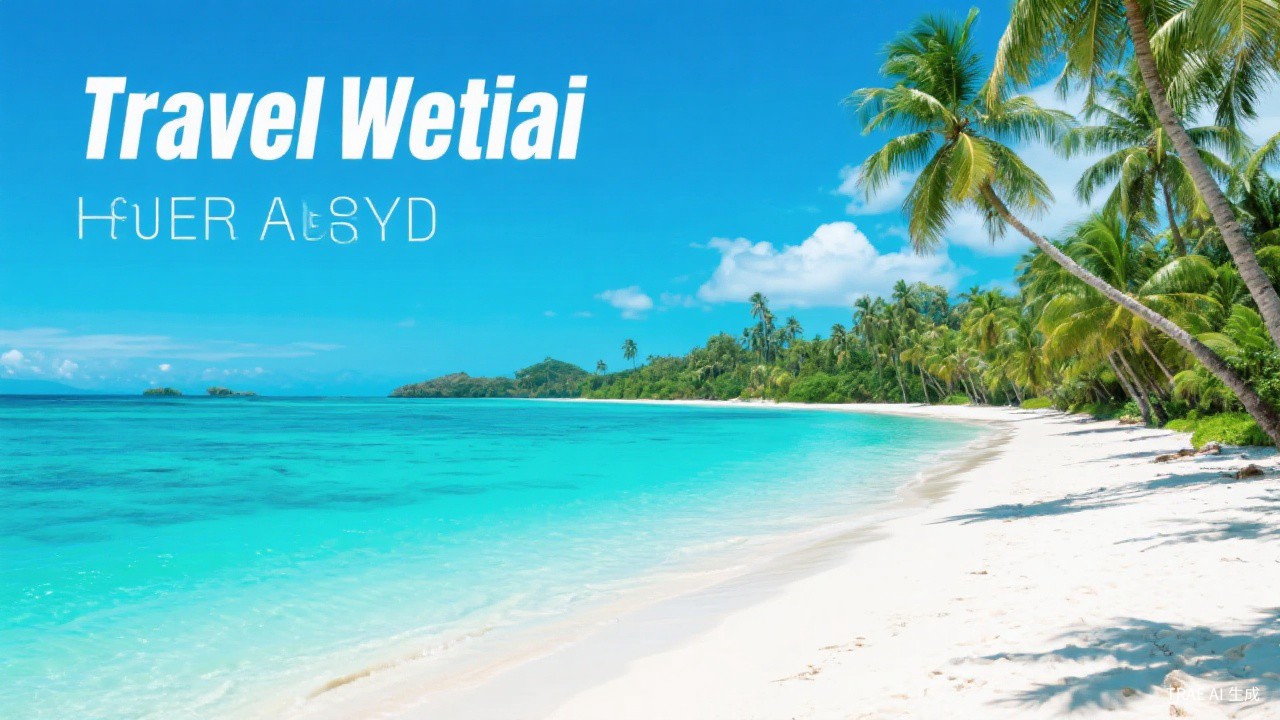
Fiji, an archipelago of 333 islands in the South Pacific, is famous for its friendly people, turquoise lagoons, and coral reefs. The two main islands, Viti Levu and Vanua Levu, contain most of the population and infrastructure, while the smaller Mamanuca and Yasawa island groups to the northwest are the postcard Fiji of overwater bures, white sand beaches, and crystal-clear water.
The Mamanuca Islands, accessible by boat from Nadi in 30-60 minutes, have the highest concentration of resorts. Islands like Castaway, Mana, and Malolo offer beachfront bures, snorkeling, diving, and a relaxed tropical atmosphere. Cloud 9, a floating bar and pizza platform in the middle of the ocean, has become one of Fiji's most iconic attractions.
The Yasawa Islands, further north, are more remote and less developed. The chain of about 20 volcanic islands stretches for 80 kilometers, with beaches that start at white sand to dramatic volcanic rock. The Blue Lagoon, on Nanuya Lailai Island, was the setting for the 1980 film of the same name. The Yasawas are best explored by boat—the Yasawa Flyer catamaran connects the islands daily.
Best Time to Go
Fiji has a tropical climate with warm temperatures (24-30°C) year-round. The dry season, May to October, is the best time to visit. Humidity is lower, rainfall is minimal, and temperatures are comfortable. This is peak season, especially July and August.
The wet season lasts from November to April, bringing warmer temperatures (27-31°C) and afternoon thunderstorms. February and March are the wettest months. Cyclones can occur between January and March, though direct hits are uncommon. Resorts offer significant discounts during this period—often 40-50% off peak rates.
The water is clearest from July to September, making this the best time for snorkeling and diving. The Fijian festivals of Diwali (October/November) and Hibiscus Festival (August) add cultural interest.
Getting There and Around
Nadi International Airport (NAN) is on the west coast of Viti Levu, with direct flights from Auckland (3 hours), Sydney (4 hours), Los Angeles (10 hours), Tokyo (9 hours), and Singapore (10 hours). Fiji Airways is the national carrier.
From Nadi, boats depart to the Mamanuca Islands (30-60 minutes) and the Yasawa Islands (2-4 hours). The Yasawa Flyer catamaran departs daily at 8:30 AM and stops at multiple islands. A Yasawa ferry pass (FJ$600-900 for 7-15 days) allows unlimited travel between islands.
On Viti Levu, rental cars (FJ$80-120 per day) and local buses (FJ$2-5 per ride) connect towns. Taxis within Nadi cost FJ$10-20 for short rides. Inter-island flights (Fiji Link) connect Viti Levu to Vanua Levu, Taveuni, and the outer islands.
Where to Stay
Mamanuca Islands have the widest range of resorts, from backpacker dormitories (FJ$50-80 per night) to luxury resorts (FJ$400-1,500 per night). Castaway Island, Mana Island, and Malolo Island are the most popular.
Yasawa Islands have smaller, more intimate resorts. Budget beachside bures cost FJ$80-200 per night; mid-range options cost FJ$200-500. The Yasawa Islands are quieter and more remote than the Mamanucas.
Coral Coast (Viti Levu), south of Nadi, has beachfront resorts (FJ$150-500 per night) and is a good base for exploring Viti Levu. Nadi has hotels for overnight stays before or after island hopping (FJ$60-200 per night).
Must-See Attractions
Mamanuca Islands
This group of about 20 islands off the west coast of Viti Levu has Fiji’s highest concentration of resorts. Activities include snorkeling, diving, surfing (Cloudbreak is one of the world’s best surf breaks), sailing, and island-hopping. The islands are accessible by boat from Port Denarau (30-60 minutes). Day trips are available, but staying overnight is better.
Tickets: Day trips FJ$150-250, resorts FJ$80-1,500/night | Open: Boats depart 8-10 AM
Cloud 9
This two-level floating platform in the Mamanuca Islands has a bar, a wood-fired pizza oven, sun decks, and a waterslide. It sits in the middle of a turquoise lagoon and is reached by a 45-minute boat ride from Port Denarau. The atmosphere is party-like, with music and drinks. A half-day pass (FJ$120) includes boat transfers and a FJ$40 food/drink credit.
Entry: FJ$120 per person (half-day) | Times: 10 AM-6 PM (varies by day)
Yasawa Islands
This chain of volcanic islands stretches 80 kilometers northwest of Viti Levu. The islands have dramatic volcanic terrain, white sand beaches, and excellent snorkeling. The Blue Lagoon (Nanuya Lailai) and Sawa-i-Lau Caves are the main attractions. The Yasawa Flyer catamaran connects the islands daily. Budget beachside bures and small resorts are the main accommodation options.
Entry: Ferry pass FJ$600-900 (7-15 days) | Times: Yasawa Flyer departs 8:30 AM daily
Sigatoka Sand Dunes
Located on the Coral Coast of Viti Levu, these dunes are Fiji’s first national park. The dunes stretch for 5 kilometers along the coast and rise up to 60 meters. They contain archaeological sites dating back 2,600 years, including pottery fragments and burial grounds. A 1-hour walking trail passes through the dunes with views of the ocean.
Admission: FJ$10 per person | Hours: 8 AM-5 PM daily
Coral Coast
The Coral Coast, a 100-kilometer stretch of coastline south of Nadi, has beaches, resorts, and the Kula Wild Adventure Park (FJ$35), which has Fiji’s largest collection of native wildlife. The coast is less developed than the Mamanucas but offers a more authentic Fijian experience. The Sigatoka River Safari (FJ$130) takes you inland by jet boat to visit a Fijian village.
Admission: Varies by activity | Times: Full day or half-day trips available
Food and Drink
Kokoda (Fish in Coconut cream) — Fiji’s national dish—fish (usually mahi-mahi or walu) marinated in lemon juice and cooked in coconut cream with onions and tomatoes. It is similar to ika mata in the Cook Islands. Try it at any resort or village. Budget FJ$15-25 per serving.
Lovo (Earth oven feast) — A traditional Fijian cooking method where meat, fish, and root vegetables are wrapped in banana leaves and cooked in an earth oven heated by hot stones. The food emerges tender and smoky. Many resorts offer lovo nights once a week. Budget FJ$40-60 per person.
Fijian Curry — Fiji’s large Indian population (about 38% of the population) means excellent Indian food is available everywhere. Fijian Indian curry tends to be milder and sweeter than Indian curries. Try it at any restaurant in Nadi or Suva. Budget FJ$10-18 per serving.
Fresh Tropical Fruit — Fiji grows excellent pineapples, papayas, mangoes, bananas, guavas, and coconuts. The municipal market in Nadi has the freshest selection. A plate of cut fruit costs FJ$3-5.
Practical Tips
Book island resorts in advance, especially for July-August. The best places fill up months ahead.
Bring Fijian dollars in cash. Many small resorts and village shops do not accept credit cards. ATMs are available in Nadi and Suva.
• Respect local customs. When visiting a village, dress modestly (cover shoulders and knees), remove your hat, and remove your shoes before entering a home.
• Buy a Yasawa ferry pass if you plan to island-hop. It is much cheaper than buying individual tickets.
Try kava. This traditional Fijian drink, made from the kava root, has a mild sedative effect and is served at ceremonies and social gatherings. A bowl costs FJ$5-10.
Traveler's Tip
If you are traveling on a budget, stay at the backpacker resorts in the Yasawa Islands rather than the Mamanucas. The Yasawas are less commercialized, the beaches are just as beautiful, and the resorts are more affordable. Barefoot Kuata and Octopus Resort are both excellent options under FJ$150 per night.