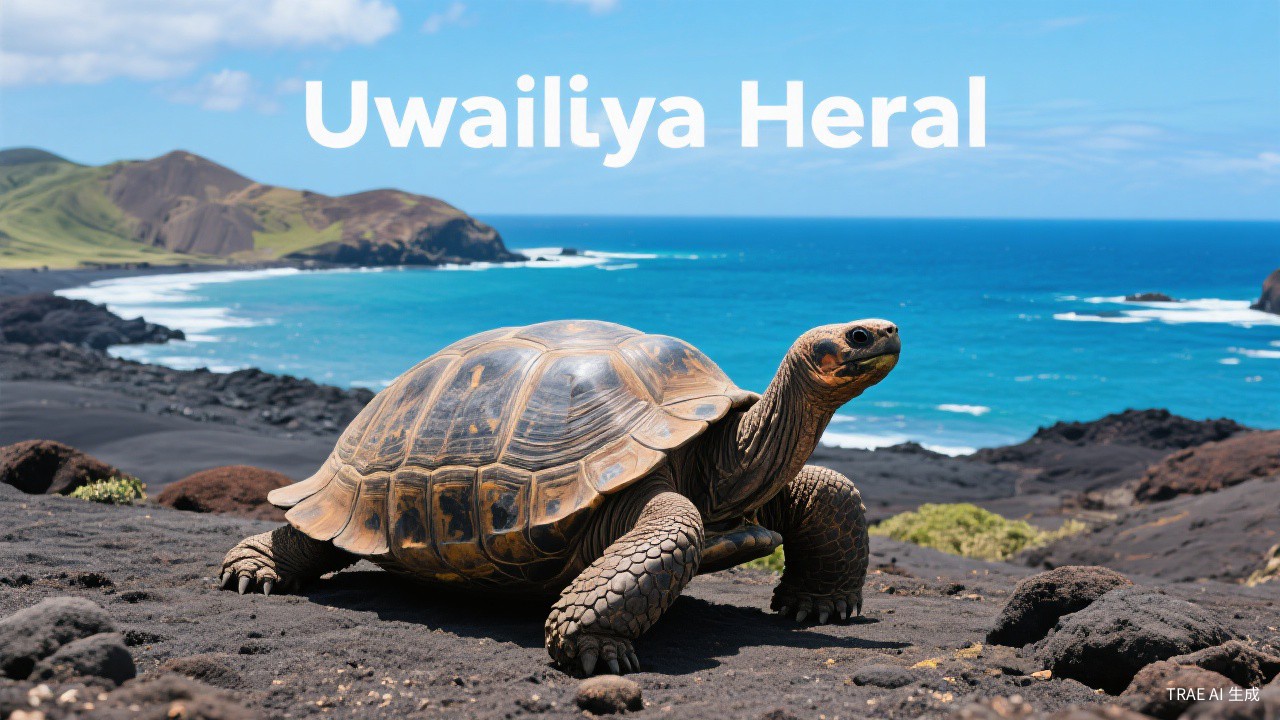
The Real Galapagos
The Galápagos Islands, 600 miles off the coast of Ecuador, are one of the most important natural history destinations on Earth. The islands' isolation, sitting at the confluence of three ocean currents, produced species found nowhere else: marine iguanas that dive underwater to eat algae, giant tortoises that can live over 150 years, blue-footed boobies with their comical mating dance, and Galápagos penguins—the only penguins found north of the equator.
Charles Darwin visited the islands in 1835, and his observations of the variations between species on different islands contributed to his theory of natural selection. Today, the islands are a national park and UNESCO World Heritage site, with strict controls on visitor numbers and activities. The result is a wildlife experience unlike any other: animals here have no fear of humans, and you can walk within feet of nesting birds, sunbathing iguanas, and resting sea lions.
The islands are volcanic in origin and geologically young—the oldest islands are about 5 million years old, and volcanic activity continues. Isabela, the largest island, has six volcanoes, five of which are still active. The Scenery ranges from barren lava fields to lush highland forests, from white sand beaches to mangrove-lined coves.
Best Time to Go
The Galápagos can be visited year-round, and each season has advantages. From June to November, the water is cooler (18-22°C) and nutrient-rich, attracting more marine life. This is the best time for diving with hammerhead sharks and whale sharks. Air temperatures are mild (20-24°C), and there is often a light mist (garúa) in the highlands.
From December to May, the water is warmer (24-27°C), air temperatures reach 28-31°C, and the skies are clearer. This is calmer seas season, making boat travel more comfortable. It is also breeding season for many species—waved albatrosses, frigate birds, and sea lions have chicks during this period.
January to March is the hottest and wettest period, with brief afternoon showers. September and October can be rough for boat travel due to choppier seas. The islands are busiest during school holidays (July-August, December-January).
Getting There and Around
Flights to the Galápagos depart from Quito or Guayaquil, Ecuador. The flight to Baltra Island (GPS) or San Cristóbal Island (SCY) takes about 2.5 hours with a stop in Guayaquil. Round-trip fares are typically $400-600. Ecuador's national park entry fee is $100 (cash only, paid at the airport), and an INGALA transit control card costs $20.
Most visitors explore the islands by cruise (4-8 days). Cruises depart from Baltra or San Cristóbal and visit several islands with a naturalist guide. All visitors must be accompanied by a licensed guide at park sites. Alternatively, stay on Santa Cruz, Isabela, or San Cristóbal and take day trips to nearby visitor sites.
Inter-island transport for land-based visitors is by small ferries. The ferry from Santa Cruz to Isabela takes about 2 hours and costs $30-50. Speedboats can be rough in choppy seas—bring motion sickness medication. Small aircraft also connect some islands.
Where to Stay
Cruises are the most popular way to visit. A 5-day cruise costs $2,000-3,500 per person; an 8-day cruise costs $3,500-6,000. Prices include accommodation, meals, and guided excursions. Boats start at 12-passenger sailing yachts to 100-passenger cruise ships.
Santa Cruz (Puerto Ayora) is the largest town in the Galápagos, with hotels from $40-200 per night. It has restaurants, tour operators, and the Charles Darwin Research Station. It is the most convenient base for land-based visits.
Isabela (Puerto Villamil) is smaller and more relaxed, with a long beach, flamingo lagoons, and easy access to Sierra Negra volcano. Hotels cost $30-150 per night. San Cristóbal (Puerto Baquerizo Moreno) has mid-range hotels ($50-180 per night) and good snorkeling at nearby sites.
Must-See Attractions
Charles Darwin Research Station (Santa Cruz)
This research facility and visitor center is the first stop for most visitors to Santa Cruz. The station houses a giant tortoise breeding program, where you can see tortoises at various ages and learn about conservation efforts. The exhibit explains the threats facing Galápagos wildlife and the work being done to protect it. Lonesome George, the last Pinta Island tortoise, was housed here until his death in 2012. Allow 1-1.5 hours.
Cost: Free | Open: 7 AM-12 PM, 2-5 PM daily
Tortuga Bay (Santa Cruz)
A 2.5-kilometer walking path from Puerto Ayora leads to this pristine white sand beach. The beach is divided into two sections: a surfing beach with strong waves and a calm lagoon for swimming. Marine iguanas are common on the beach, and white-tip reef sharks are often visible in the lagoon. Kayaks are available for rent. The walk passes through opuntia cactus forest and offers views of the coast. Bring water and sun protection.
Cost: Free | Times: 6 AM-6 PM
Sierra Negra Volcano (Isabela)
This active shield volcano on Isabela Island has one of the largest calderas in the world—10 kilometers across. The hike to the rim takes about 45 minutes each way through highland vegetation. Starting with the rim, the view extends across the black lava floor of the caldera to the volcanic peaks beyond. A longer hike continues to Volcán Chico, where recent lava flows are visible. Tours from Puerto Villamil cost $30-50 including transportation and guide.
Tickets: Tours $30-50 | Hours: Morning departures (6-7 AM)
Kicker Rock (San Cristóbal)
This dramatic rock formation, also known as León Dormido, rises 140 meters from the ocean about 1.5 hours by boat from San Cristóbal. It is one of the best snorkeling and diving sites in the Galápagos. Snorkelers can see Galápagos sharks, rays, sea turtles, and a variety of fish in the channel between the two rocks. Sea lions often play with snorkelers. Boat tours from Puerto Baquerizo Moreno cost $60-80 including snorkeling equipment.
Tickets: Tours $60-80 | Hours: Half-day tours, morning departures
North Seymour Island
This small island north of Santa Cruz is one of the best sites for viewing Galápagos wildlife. Blue-footed boobies nest on the trail, and you can observe their courtship display at close range. Frigate birds inflate their red throat pouches during mating season. Land iguanas, reintroduced after being extirpated by feral goats, are common. Sea lions rest on the beach. The 2-kilometer loop trail is flat and takes about 1.5 hours. Accessible by cruise or day tour from Santa Cruz.
Tickets: Included in cruise or day tour | Open: Visitor site 7 AM-12 PM, 2-5 PM
Food and Drink
Fresh Seafood (Encebollado) — Ecuador's national soup, encebollado, is popular in the Galápagos. Made with albacore tuna, onions, tomatoes, yuca, and pickled red onions, it is served with lime and plantain chips. It is a hearty, filling meal. Try it at a local restaurant in Puerto Ayora for $4-7.
Lobster — Spiny lobster is abundant in the Galápagos and is served grilled with butter and garlic at restaurants throughout the islands. The season runs from late June to December. A whole lobster costs $15-25 at local restaurants—far cheaper than you would pay elsewhere. Try it in Puerto Villamil on Isabela.
Ceviche — Fresh fish ceviche is a staple at every Galápagos restaurant. The local version uses fresh-caught sea bass or wahoo marinated in lime juice with tomatoes and onions. It is served with popcorn or plantain chips. Budget $8-12 per serving. The freshness of the fish makes a noticeable difference.
Tropical Fruit Juices — Fresh juices made from local fruits—passion fruit (maracuyá), naranjilla, guanábana, and tree tomato—are available at every restaurant and market. A glass costs $1-2. They are refreshing in the tropical heat and are often made to order.
Practical Tips
Book cruises and flights well in advance. The national park limits the number of boats and visitors, and peak season sells out months ahead.
Bring cash (US dollars) for park fees, tips, and small purchases. ATMs are limited on the islands and often run out of money.
• Pack motion sickness medication. Even in calm conditions, the boat rides between islands can be rough.
Bring snorkeling gear if you own it. Rental gear is available but your own mask and fins will fit better and save rental costs.
• Follow your naturalist guide's instructions at all times. Stay on marked trails and maintain the 2-meter distance from wildlife required by park rules.
Traveler's Tip
If you cannot afford a multi-day cruise, base yourself in Puerto Ayora (Santa Cruz) for 4-5 days and take day trips to nearby islands. You will see most of the iconic wildlife—giant tortoises, marine iguanas, blue-footed boobies, and sea lions—at a fraction of the cost.