First Impressions of Gold Coast
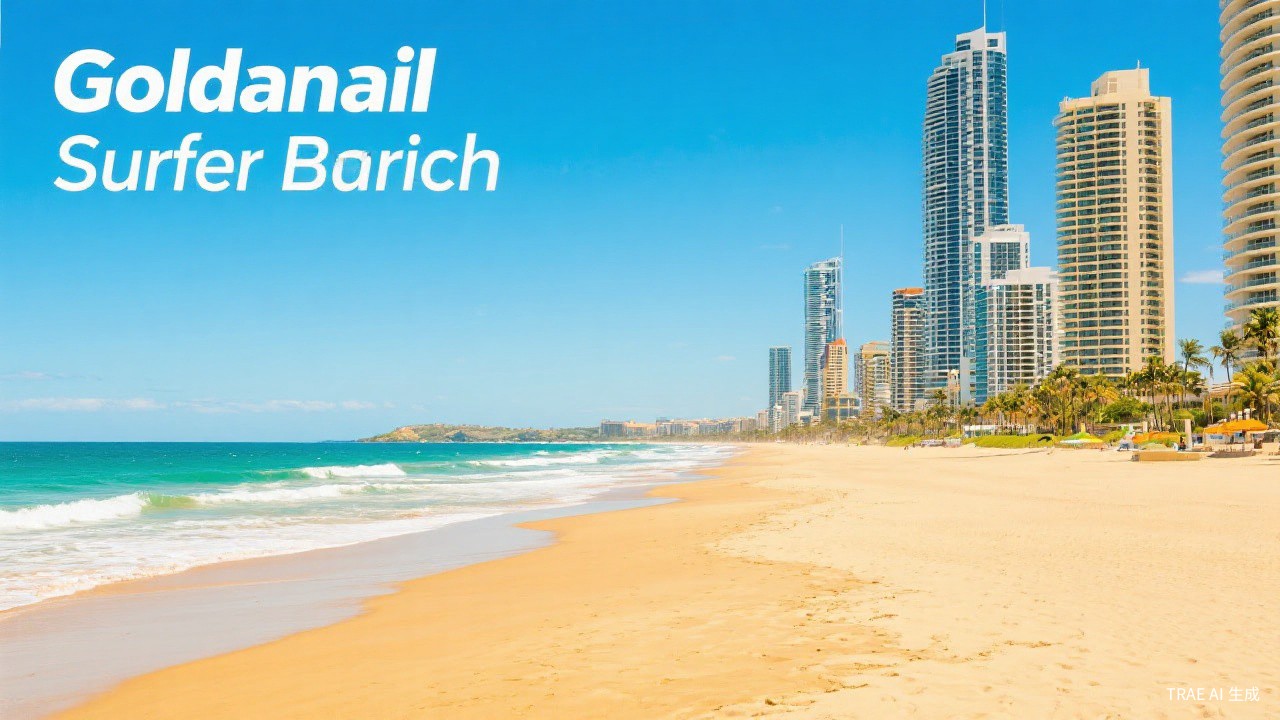
The Gold Coast, in southeast Queensland, is Australia's most famous beach resort destination. The 70-kilometer coastline stretches from the New South Wales border north to the Sunshine Coast, with surf beaches, high-rise apartment buildings, and a permanent population of about 600,000. Surfers Paradise, the central district, is where the Gold Coast's image is most concentrated—a sandy beach backed by a skyline of residential towers.
Beyond the beach, the Gold Coast has three major theme parks (Dreamworld, Movie World, and Sea World), a rainforest hinterland with waterfalls and hiking trails, and a growing food and arts scene. Springbrook National Park, in the Gold Coast hinterland, has the Natural Bridge (a rock arch over a cave) and glowworm colonies that light up the cave ceiling at night.
The Gold Coast is also a gateway to the Great Barrier Reef (via day trips from the Gold Coast Seaway) and to the whale-watching season (June to November), when humpback whales migrate along the coast. Burleigh Heads, south of Surfers Paradise, has a more local atmosphere with excellent surf, a headland walk, and a village of cafes and restaurants.
Best Time to Go
The Gold Coast has a subtropical climate with warm temperatures year-round. Visit during is April to May and September to November, when temperatures start at 18-26°C and humidity is moderate.
Summer (December to February) is hot (25-33°C) and humid, with afternoon thunderstorms. This is the wettest period but also the busiest due to school holidays. The water is warmest for swimming.
Winter (June to August) is mild (12-22°C) and dry. This is whale-watching season and a comfortable time for outdoor activities. Hotel rates are lower than in summer.
Getting There and Around
Gold Coast Airport (OOL), at Coolangatta, has direct flights from Sydney (1.5 hours), Melbourne (2 hours), Brisbane (1 hour), and Auckland (3 hours). Brisbane Airport (BNE), 1 hour north, has more international connections.
The G:link light rail connects Broadbeach, Surfers Paradise, and Main Beach (A$4.50 per ride). Buses serve the wider coast. A car is useful for reaching the hinterland and theme parks (rental cars A$40-60 per day).
The Gold Coast Highway connects all beachside suburbs. Traffic can be heavy during peak periods. The Spit, at the northern end, has a ferry terminal for whale-watching and reef trips.
Where to Stay
Surfers Paradise is the most popular area, with the beach, nightlife, and shopping all within walking distance. Hotels start at A$100-400 per night. The area is busy and tourist-focused.
Broadbeach, south of Surfers Paradise, has a more relaxed atmosphere with excellent restaurants and the Pacific Fair shopping center. Hotels start at A$100-300 per night.
Burleigh Heads is a more local area with a surf beach, headland walk, and village atmosphere. Hotels and apartments here cost A$100-250 per night. For budget travelers, hostels in Surfers Paradise charge A$25-40 per bed.
Must-See Attractions
Surfers Paradise Beach
The Gold Coast’s most famous beach is a wide, sandy stretch backed by high-rise apartments. The surf is consistent and suitable for both beginners and experienced surfers. Surf schools offer lessons (A$70-90 for 2 hours). The beach is patrolled by lifeguards year-round. The Esplanade behind the beach has markets on Wednesday, Friday, and Sunday evenings.
Tickets: Free (surf lessons A$70-90) | Hours: Always open (lifeguards 7 AM-5 PM)
Dreamworld and Movie World
Dreamworld is Australia’s largest theme park, with roller coasters, water rides, and wildlife exhibits including tigers and koalas. Movie World has rides themed around Warner Bros. films and characters, plus a studio tour. Both parks require a full day. Combined tickets cost A$130-160. WhiteWater World, adjacent to Dreamworld, has water slides and pools.
Admission: A$89 per park (online), A$130-160 combo | Open: 10 AM-5 PM (varies by season)
Springbrook National Park
This park in the Gold Coast hinterland, 45 minutes from the coast, contains subtropical rainforest, waterfalls, and the Natural Bridge—a rock arch formed by water erosion over millions of years. The Natural Bridge cave is home to a colony of glowworms that light up the ceiling at night. Guided night tours (A$40) offer the best glowworm viewing. The park has several walking trails of varying difficulty.
Tickets: Free (night tours A$40) | Open: Always open (night tours 7-9 PM)
Burleigh Heads
This coastal village south of Surfers Paradise has a surf beach, a headland with a walking track offering ocean views, and a village of cafes and restaurants. The Burleigh Head National Park walk (30 minutes) circles the headland through pandanus groves and offers views of the coastline. The area has a more local and relaxed atmosphere than Surfers Paradise.
Admission: Free | Times: Always open
Currumbin Wildlife Sanctuary
This wildlife park, established in 1947, has one of Australia’s largest collections of native animals. Visitors can feed kangaroos, hold koalas, and see crocodiles, Tasmanian devils, and platypuses. The Free Flight Bird Show features eagles and other raptors flying over the audience. The sanctuary also has Aboriginal dance performances and a miniature train.
Admission: A$50 adult | Open: 8 AM-5 PM daily
Food and Drink
Fish and Chips — An Australian staple. Fresh barramundi or flathead fillets battered and deep-fried, served with chips (fries) and lemon. Try them at Pete’s Seafood in Burleigh Heads or at any fish and chip shop along the coast. Budget A$15-22.
Surf Club Bistro — Every Gold Coast beach has a surf life-saving club with a bistro open to the public. The food is simple (steaks, burgers, salads) but the ocean views are unbeatable. A meal costs A$20-35. The North Burleigh Surf Club is a local favorite.
Acai Bowls — The Gold Coast’s beach culture has embraced the acai bowl—a thick smoothie bowl topped with granola, fruit, and honey. Stakeout in Burleigh Heads and Komune in Coolangatta serve excellent versions. Budget A$15-20 per bowl.
Craft Beer — The Gold Coast has a growing craft beer scene. Burleigh Brewing, Black Hops Brewing, and Fortitude Brewing have taprooms with locally brewed beers. A tasting paddle costs A$15-20. Burleigh Brewing is the most established.
Practical Tips
Visit theme parks on weekdays to avoid the longest queues. School holidays and weekends are the busiest times.
• Swim between the flags. Gold Coast beaches have strong rip currents, and lifeguards patrol designated swimming areas marked by red and yellow flags.
• Go to Springbrook at night for the glowworms. The Natural Bridge cave is most magical after dark, when the glowworms light up the ceiling.
• Explore Burleigh Heads instead of spending all your time in Surfers Paradise. The atmosphere is more local, the food is better, and the headland walk is excellent.
Book whale-watching tours in advance (June-November). The boats depart from The Spit and fill up during peak season.
Traveler's Tip
Walk the Tallebudgera Creek to Elephant Rock coastal trail early in the morning. This 3-kilometer walk starts at Tallebudgera Creek, follows the coast past Palm Beach, and ends at Elephant Rock. The views of the ocean, the headlands, and the Gold Coast skyline are the best on the coast, and you will have the trail almost entirely to yourself before 8 AM.