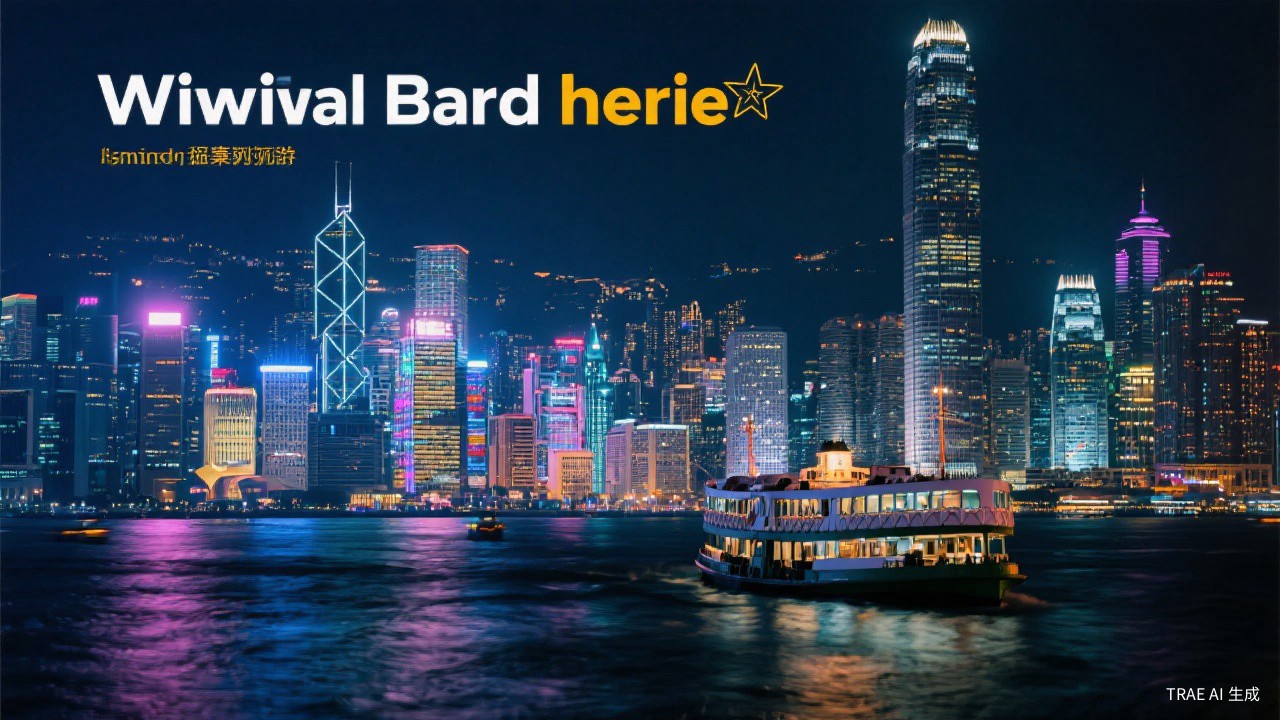
Hong Kong is a city of superlatives squeezed into a tiny space. More skyscrapers than New York, more people per square kilometer than almost anywhere, and a density of experiences that can feel overwhelming and exhilarating in equal measure. This former British colony returned to China in 1997 but retains a distinct identity—a fusion of East and West, tradition and modernity, that exists nowhere else.
What defines Hong Kong special is the contrast between urban intensity and natural beauty. The city is built on steep hills and around a spectacular harbor, with hiking trails that lead to pristine beaches just 30 minutes from downtown. The Peak Tram has carried passengers up Victoria Peak since 1888, offering views of one of the world's most dramatic skylines. At night, the Symphony of Lights illuminates 40+ buildings across the harbor.
The food culture is legendary. Hong Kong invented dim sum, perfected Cantonese cuisine, and has the most affordable Michelin-starred restaurants in the world. You can eat at a dai pai dong (open-air food stall) for $5 or a three-Michelin-star restaurant for $200. The city never stops—markets open at dawn, bars close at dawn, and somewhere in between, you'll find your own Hong Kong.
Typhoon Season & Crowds
Visit during Hong Kong is autumn (October to December) or spring (March to April). Temperatures are comfortable (18-25°C), humidity is lower, and skies are clearer. These are the best months for hiking and outdoor activities.
Summer (June to September) is hot and humid (28-35°C with 80%+ humidity), with typhoon season from July to September. When a typhoon approaches, the city shuts down—flights cancel, businesses close, and you'll need to stay indoors. Check weather forecasts regularly. Hotel rates are lower in summer.
Winter (January to February) is mild (14-20°C) but can feel cold due to humidity. Chinese New Year (January/February) brings celebrations but also crowds and higher prices. The city empties as residents travel. Golden Week in October (Chinese national holiday) sees a surge of mainland tourists.
Octopus Card & Ferries
Hong Kong International Airport (HKG) is on Lantau Island, connected to the city by the Airport Express train (24 minutes to Hong Kong Station, HKD 115). Taxis cost HKD 300-400 to the island, HKD 250-300 to Kowloon. Buses are cheaper (HKD 30-50) but slower.
The MTR (Mass Transit Railway) is the backbone of Hong Kong transport—fast, clean, and efficient. An Octopus card (HKD 150 including HKD 50 deposit) works on all public transport and even at convenience stores. Single trips cost HKD 4-50 depending on distance. The system covers Hong Kong Island, Kowloon, Lantau, and connects to mainland China.
The Star Ferry (HKD 2-3.70) crosses Victoria Harbour between Hong Kong Island and Kowloon—a cheap and scenic ride. Double-decker trams on Hong Kong Island (HKD 3) offer a slower, atmospheric way to see the city. Taxis are affordable and metered—most rides cost HKD 20-100. Red taxis serve Hong Kong Island and Kowloon, green taxis the New Territories.
Kowloon vs Hong Kong Island
Central/Admiralty is the business district with luxury hotels (HKD 2,000-5,000+/night). It's convenient for sightseeing and has excellent restaurants and nightlife. Sheung Wan offers a more local feel with boutique hotels and traditional shops.
Tsim Sha Tsui on Kowloon side has harbor views and mid-range to luxury hotels (HKD 800-3,000). It's near museums, shopping, and the Star Ferry. Mong Kok is the densest area with budget hotels and guesthouses (HKD 400-800), plus markets and local life.
Causeway Bay is a shopping district with mid-range hotels and excellent transport connections. Wan Chai has a mix of business hotels and nightlife. For budget travelers, hostels in Chungking Mansions (Tsim Sha Tsui) cost HKD 150-300/night—they're gritty but convenient.
Victoria Peak & Temples
Victoria Peak
The highest point on Hong Kong Island offers the city's best views. The Peak Tram (HKD 52 one way) is a funicular railway dating from 1888. Go at sunset to see the city transition from day to night. The Peak Tower has shops and restaurants, but the real views are from the Lugard Road walking trail.
Cost: Tram HKD 52-84 | Hours: Tram 7 AM-midnight
Star Ferry
This passenger ferry has crossed Victoria Harbour since 1888. The 10-minute ride costs HKD 2-3.70 and offers spectacular views of the skyline. The best seats are at the front. Take it at night to see the Symphony of Lights show (8 PM) from the water.
Entry: HKD 2-3.70 | Times: 6:30 AM-11:30 PM
Tian Tan Buddha (Big Buddha)
This 34-meter bronze Buddha sits on Lantau Island, reached by the Ngong Ping 360 cable car (25 minutes, HKD 185 standard). The cable car offers views of the airport and mountains. The Po Lin Monastery next door serves vegetarian meals. Arrive early to avoid crowds.
Tickets: Buddha free, cable car HKD 185 | Open: Buddha 10 AM-5:30 PM
Temple Street Night Market
This night market in Kowloon sells everything from souvenirs to electronics. Fortune tellers set up stalls, and open-air restaurants serve local dishes. It's atmospheric after dark. Bargaining is expected. The market runs from 6 PM to midnight.
Admission: Free to browse | Hours: 6 PM-midnight
Hong Kong Museum of History
This excellent museum tells Hong Kong's story from prehistoric times to the handover. The "Hong Kong Story" exhibition covers 400 million years in 8 galleries. Allow 2-3 hours. It's free on Wednesdays. Closed Tuesdays.
Tickets: HKD 10 (free Wednesdays) | Hours: 10 AM-6 PM (closed Tuesdays)
Dragon's Back Hike
This popular 8.5km trail offers coastal views and ends at Big Wave Bay. The hike takes 3-4 hours and is accessible by public transport. Start at Shek O Road and end at Big Wave Bay for a swim. Go on weekdays to avoid crowds. Bring water and sun protection.
Entry: Free | Hours: Best early morning
Dim Sum & Street Food
Dim Sum — Hong Kong invented this tradition of small plates with tea. Try Tim Ho Wan (cheapest Michelin-starred restaurant) for baked pork buns (HKD 20-30). Traditional restaurants use carts; modern ones use order forms. Budget HKD 100-200 per person.
Roast Goose — Hong Kong's signature dish—crispy skin, juicy meat. Yat Lok in Central is famous (HKD 60-80 for a plate). The goose is roasted over charcoal and served with plum sauce. Try it with noodles or rice.
Egg Tarts — Portuguese-influenced custard tarts with flaky pastry. Tai Cheong Bakery is the most famous (HKD 6-8 each). Best eaten warm. The line moves fast. Also try at any traditional bakery.
Wonton Noodles — Small dumplings in a clear broth with thin noodles. Mak's Noodle in Central is legendary (HKD 40-50). The portions are small by design—order multiple bowls. The shrimp dumplings are particularly good.
Dai Pai Dong — Open-air food stalls serving local dishes. Try stir-fried noodles, clay pot rice, or seafood. They're disappearing due to licensing rules, but some remain in Central and Sham Shui Po. Meals cost HKD 40-80.
Language & Etiquette
• Get an Octopus card immediately. It works on all transport, at convenience stores, and even some vending machines.
• Carry an umbrella. Rain can be sudden and heavy, especially in summer.
• Hong Kong is safe. Violent crime is rare, but watch for pickpockets in crowded areas.
• Tipping isn't expected at most restaurants (10% service charge is usually added). Tip porters and taxi drivers by rounding up.
Avoid Chungking Mansions unless you're looking for budget accommodation or ethnic food. It's chaotic and can be overwhelming.
Traveler's Tip
Take the Star Ferry at night. The views of the skyline from Victoria Harbour are spectacular, and it costs only a few Hong Kong dollars.