What Makes Koh Samui Worth Visiting
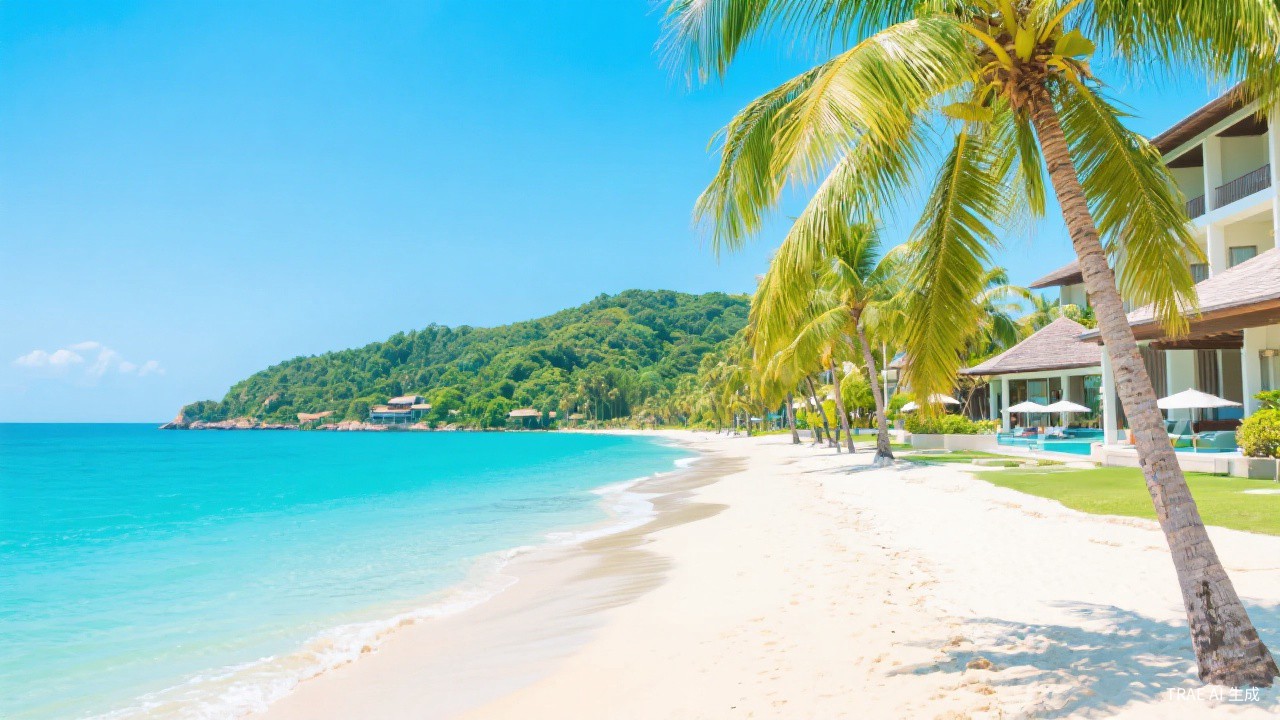
Koh Samui is Thailand's second-largest island, a 228-square-kilometer dot in the Gulf of Thailand fringed with coconut palms and white sand beaches. The island's interior rises to 635 meters at Khao Chamao, covered with dense jungle and hidden waterfalls. Chaweng Beach on the east coast is the busiest stretch, with a long arc of sand, resort hotels, and nightlife. Lamai Beach, the second-largest, has a more relaxed feel with better swimming. The island's Buddhist heritage is visible at Wat Plai Laem, with its colorful statues, and the Big Buddha, a 12-meter golden statue that has welcomed visitors to the island since 1972.
Koh Samui has evolved from a backpacker haven in the 1970s to a destination that caters to every budget. Fisherman's Village in Bophut, on the north coast, is the island's most charming area, with wooden shop-houses, beachfront restaurants, and a Friday Night Market that draws locals and visitors alike. The interior roads wind through rubber plantations and coconut groves, where you will see monkeys trained to climb trees and harvest coconuts. The island's food scene ranges from simple beachside grilled fish to high-end Thai cuisine at places like Prego and The Library.
Plan five to seven days. Spend two days exploring Chaweng and Lamai beaches. Dedicate a day to Fisherman's Village and the nearby beaches of Maenam and Bophut. Take a boat trip to Ang Thong National Marine Park for kayaking and snorkeling. Leave time for a day at the spa—Koh Samui has some of Thailand's best wellness centers.
Best Time to Go
December through April is the dry season, with temperatures between 25 and 32 degrees Celsius, calm seas, and minimal rain. January and February are the most popular months. The Samui Regatta in May and the Thai New Year (Songkran) in April are lively events. Book accommodation at least two months ahead for the Christmas-New Year period.
May through October brings the southwest monsoon, with the heaviest rain in October. September and October can see several consecutive days of rain. That said, prices drop by 40 to 60 percent, the island turns green, and the beaches are nearly empty. The Gulf of Thailand is sheltered, so water activities are often still possible between rain showers.
Getting There and Around
Samui International Airport (USM) stands out as scenic airports in Asia, with open-air terminals surrounded by coconut palms. Bangkok Airways operates a near-monopoly on flights from Bangkok (1.5 hours), charging THB 3,000 to 5,000 one way. Direct flights also connect to Singapore, Kuala Lumpur, Hong Kong, and several Chinese cities. Lomprayah and Seatran ferries run from Surat Thani (1.5 hours, THB 500) and from Donsak Pier (2 hours, THB 300).
Songthaews (shared pickup trucks) are the main local transport, following fixed routes for THB 30 to 50 per person. Private taxis are expensive—THB 400 to 800 for short distances. Renting a car or motorbike (THB 300 to 500 per day) gives the most flexibility, but the island's hilly interior roads require caution. Long-tail boats can be hired for island-hopping and beach-hopping.
Where to Stay
Chaweng Beach has the widest range, from luxury resorts like the Vana Belle (THB 10,000 to 20,000 per night) to mid-range hotels like the Ark Bar (THB 2,000 to 4,000) and budget guesthouses (THB 800 to 1,500). The beach is long and sandy, with the best nightlife on the island. The south end of Chaweng is quieter.
Fisherman's Village in Bophut is the most atmospheric area, with boutique hotels like the Anantara Lawana (THB 8,000 to 15,000) and the Bo Phut Resort (THB 5,000 to 10,000). Lamai Beach offers a quieter alternative with mid-range options like the Renaissance (THB 4,000 to 8,000). For a luxury retreat, the Four Seasons and the W Retreat on the north coast are among Thailand's finest resorts (THB 20,000+).
Must-See Attractions
Ang Thong National Marine Park
A cluster of 42 islands in the Gulf of Thailand, 40 kilometers northwest of Koh Samui. The park features limestone cliffs, hidden lagoons, white sand beaches, and dense jungle. Kayaking through the caves and lagoons of Koh Mae Ko is the highlight. Day trips from Samui include snorkeling, lunch, and hiking to the viewpoint on the main island.
Entry: THB 1,500-2,500 (day trip) | Hours: Tours depart 7-8 AM, return 4-5 PM
Big Buddha Temple (Wat Phra Yai)
A 12-meter golden Buddha statue sits on a small island connected to Koh Samui's northeast coast by a causeway. Built in 1972, the temple has become the island's most recognizable landmark. The surrounding complex contains smaller shrines, a market selling religious amulets, and a meditation garden. The views of Plai Laem Bay from the base are excellent.
Tickets: Free | Times: Daily 6 AM-6 PM
Na Muang Waterfalls
Two waterfalls in the island's interior, Na Muang 1 (18 meters) and Na Muang 2 (80 meters), are among Samui's most accessible natural attractions. The falls are reached via a short hike through jungle. The lower falls have a natural pool for swimming. After rain, the waterfalls are at their most impressive, though the rocks can be slippery.
Entry: Free | Open: Daily 8 AM-5 PM
Fisherman's Village Walking Street
Every Friday evening, the main street of Bophut's Fisherman's Village closes to traffic and transforms into a market with food stalls, live music, handicrafts, and clothing. The old Chinese shop-houses provide a charming backdrop. The atmosphere is more relaxed than Chaweng's nightlife, and the food is excellent—try the grilled seafood and coconut pancakes.
Tickets: Free entry | Hours: Fridays 5-11 PM
Wat Plai Laem
This colorful Buddhist temple near the Big Buddha features an 18-armed statue of Guanyin (the Goddess of Mercy) standing in a lotus pond, surrounded by smaller shrines and a large white Buddha image. The temple is relatively new but has quickly become one of the island's most photographed sites. The detailed statues and the pond setting make it a peaceful place to visit.
Cost: Free | Times: Daily 8 AM-5 PM
Food and Drink
Grilled sea bass with Thai herbs — Coco Tam's, Fisherman's Village. THB 400-700.
Massaman curry with roti — Page Restaurant, Chaweng Beach. THB 200-350.
Coconut ice cream and sticky rice — Chaweng Beach road stalls. THB 50-80.
Pad Thai at the night market — Lamai Night Market. THB 60-100.
Practical Tips
• Bangkok Airways has a virtual monopoly on Samui flights—book early for better prices.
• Taxis on Samui are expensive; negotiate the fare before getting in or use the Bolt app.
• The roads in the island interior are steep and winding—be cautious on a motorbike.
• The Fisherman's Village Friday Market is the best market on the island—arrive by 6 PM.
• Many hotels include breakfast; the quality is generally high at mid-range and above.
Traveler's Tip
Book a sunset dinner at The Cliff Bar and Grill in Chaweng Noi. The restaurant sits on a rocky outcrop above the ocean, and the food (grilled lobster, Thai curries) is excellent. Reserve a table for 5:30 PM to watch the sun drop below the horizon while waves crash below. Prices are high by Thai standards (THB 1,500 to 2,500 per person) but the setting justifies it.