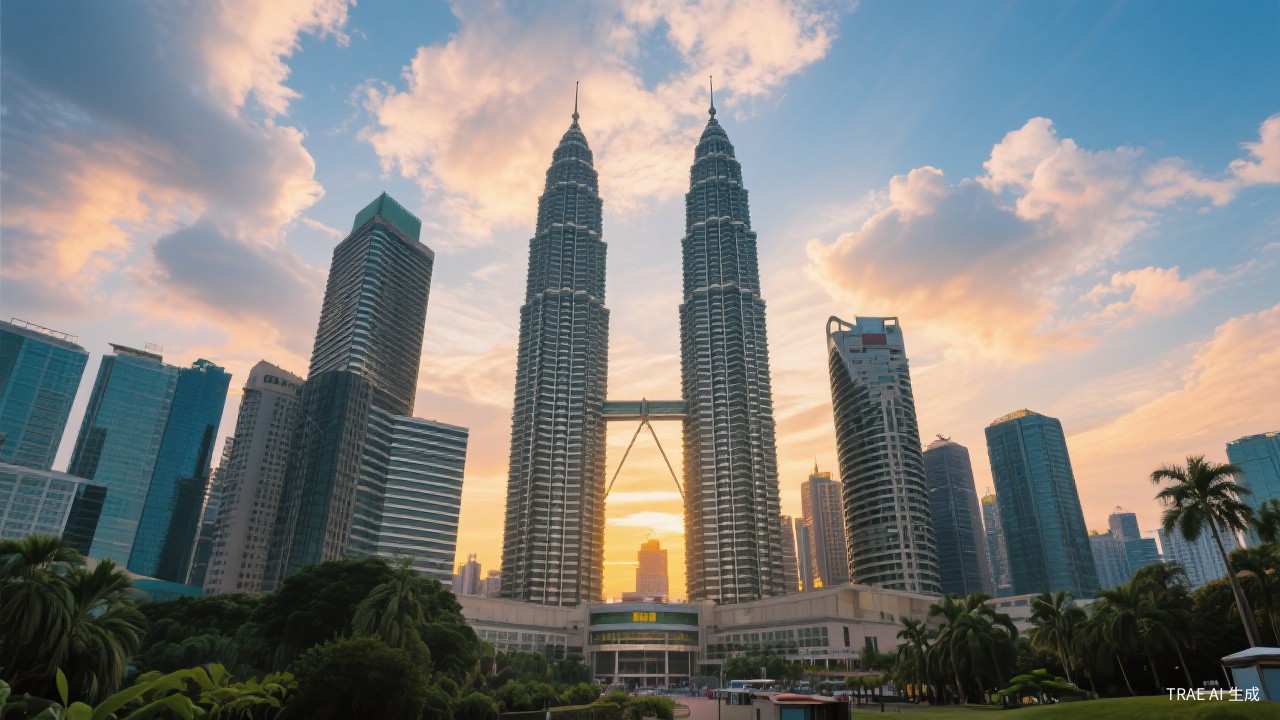
kuala lumpur travel guide

KL Overview

Kuala Lumpur, commonly known as KL, is the capital and largest city of Malaysia, a vibrant metropolis of approximately 1.8 million people in the city proper and over 7 million in the greater Klang Valley region. The city's name translates to "muddy estuary," a reference to its humble origins as a small tin-mining settlement established in the 1850s at the confluence of the Gombak and Klang rivers. From these modest beginnings, Kuala Lumpur grew rapidly during the late 19th and early 20th centuries as the center of Malaysia's tin mining industry and later as the country's political and economic capital. Today, KL is a modern, cosmopolitan city that serves as a gateway to Southeast Asia and a melting pot of Malay, Chinese, Indian, and indigenous cultures.

Malaysia's unique demographic composition is one of its greatest assets as a travel destination, and Kuala Lumpur reflects this diversity in every aspect of its character. The population of the city is approximately 45 percent Malay, 43 percent Chinese, and 10 percent Indian, with the remainder comprising indigenous groups and expatriates from around the world. This multicultural mix is visible in the city's architecture, with mosques, Hindu temples, Buddhist temples, and Christian churches standing in close proximity. It is equally apparent in the food, language, and daily customs, creating a rich cultural tapestry that makes Kuala Lumpur one of the most fascinating cities in Southeast Asia.

The city's skyline is one of the most recognizable in Asia, dominated by the Petronas Twin Towers, which held the title of the world's tallest buildings from 1998 to 2004. The towers, standing 451.9 meters tall, remain the tallest twin towers in the world and have become the defining symbol of modern Malaysia. The skyline also features the Kuala Lumpur Tower, the Merdeka 118 skyscraper which is currently the second-tallest building in the world, and numerous other modern high-rises that give the city a distinctly futuristic appearance. Despite this modern facade, Kuala Lumpur retains significant areas of colonial-era architecture and traditional shophouses that provide a tangible connection to its past.

Kuala Lumpur enjoys a tropical rainforest climate with consistent warm temperatures throughout the year, ranging from 27 to 33 degrees Celsius during the day. Rainfall occurs year-round in the form of intense but typically brief thunderstorms, usually in the late afternoon, though the wetter months from October to March can see more prolonged rainfall. The city's equatorial location means that daylight hours remain relatively constant at approximately 12 hours throughout the year. Air conditioning is ubiquitous in KL's buildings and vehicles, making the indoor environment comfortable regardless of the weather outside.

Iconic Landmarks

The Petronas Twin Towers are without question Kuala Lumpur's most iconic landmark and a must-visit attraction for every traveler to the city. The towers were designed by Argentine-American architect Cesar Pelli and completed in 1998 after six years of construction at a cost of approximately 1.6 billion US dollars. The Skybridge on the 41st and 42nd floors and the observation deck on the 86th floor are open to the public, offering spectacular views of the city and the surrounding mountains on clear days. Tickets are released daily and can sell out quickly, so booking online in advance is strongly recommended. The towers are particularly stunning at night when they are illuminated with a white light display that makes them visible from across the city.

The Batu Caves, located approximately 13 kilometers north of the city center, are one of Malaysia's most popular Hindu religious sites and a dramatic natural attraction. The caves consist of a series of limestone caves and cave temples set within a massive limestone hill, with the main temple cave accessed by climbing 272 steep steps flanked by a towering 42.7-meter golden statue of Lord Murugan. The caves serve as the focal point of the annual Thaipusam festival, when hundreds of thousands of Hindu devotees make a pilgrimage to the site, many carrying elaborate kavadis, or burdens, attached to their bodies by hooks and skewers. The cave complex also includes the Dark Cave, which offers guided tours through a pristine cave system with unique limestone formations and rare wildlife.

The Sultan Abdul Samad Building, located along Jalan Raja in the colonial heart of Kuala Lumpur, is one of the city's most beautiful and historically significant structures. Built in 1897 to house the British colonial administration, the building features a distinctive Moorish-Indo-Saracenic architectural style with copper domes, arched colonnades, and a 41-meter clock tower known as the Big Ben of Malaysia. The building served as the administrative center of the British colonial government and later housed the offices of the Malaysian government after independence. Today, it stands at one end of Dataran Merdeka, or Independence Square, where the Union Jack was lowered and the Malaysian flag was raised for the first time on August 31, 1957.

The National Mosque of Malaysia, or Masjid Negara, is a modern architectural masterpiece that serves as the principal mosque of the country. The mosque was completed in 1965 and features a striking design with a 73-meter minaret and a 16-pointed star-shaped concrete roof that resembles an open umbrella, a symbol of the tropical climate. The main prayer hall can accommodate 15,000 worshippers and is surrounded by reflecting pools and landscaped gardens that create a serene atmosphere in the heart of the busy city. Non-Muslim visitors are welcome outside of prayer times and are provided with robes and head coverings at the entrance. The mosque is particularly beautiful at sunset when the white marble exterior takes on a warm golden glow.

Food and Markets

Kuala Lumpur's food scene is one of the most diverse and exciting in Southeast Asia, reflecting the city's multicultural population and its position as a culinary crossroads between Malay, Chinese, Indian, and indigenous traditions. The city is famous for its hawker centers and food courts, where dozens of stalls serve an extraordinary variety of dishes at remarkably affordable prices. Jalan Alor, a street in the Bukit Bintang area, transforms into a massive open-air food court each evening when hundreds of vendors set up tables and grills along the sidewalk. The street is a sensory overload of sizzling woks, aromatic spices, and colorful food displays that draws both locals and tourists until the early hours of the morning.

Nasi lemak is Malaysia's national dish and a breakfast staple that can be found at virtually every food court and hawker center in Kuala Lumpur. The dish consists of fragrant rice cooked in coconut milk, served with sambal, a spicy chili paste, fried anchovies, roasted peanuts, sliced cucumber, and a hard-boiled egg. While nasi lemak is traditionally a breakfast dish, many restaurants and stalls serve it throughout the day with additional toppings such as fried chicken, rendang, or squid. The best nasi lemak in KL is often found at unassuming roadside stalls and morning markets rather than in restaurants, with Nasi Lemak Antarabangsa in Kampung Baru being one of the most famous and beloved establishments.

Petaling Street, the heart of Kuala Lumpur's Chinatown, is a bustling market street that has been a center of Chinese commerce and culture since the late 19th century. The street is covered by a distinctive green canopy and lined with vendors selling everything from counterfeit watches and designer bags to traditional Chinese medicines and souvenirs. The food scene on Petaling Street is outstanding, with several legendary establishments that have been serving their specialties for decades. Kim Lian Kee, the birthplace of Hokkien mee, a dish of stir-fried noodles in thick dark soy sauce, has been operating on Petaling Street since 1927 and remains one of the most popular food destinations in Chinatown.

The Central Market, or Pasar Seni, is a beautifully preserved Art Deco building that was originally built in 1928 as a wet market and has been transformed into a center for Malaysian arts, crafts, and culture. The market houses dozens of stalls selling traditional handicrafts including batik textiles, pewter ware, woodcarvings, and woven baskets, making it one of the best places in KL to shop for authentic Malaysian souvenirs. The adjacent Kasturi Walk, an open-air pedestrian mall, extends the shopping experience with additional stalls and street performances. The Central Market also hosts regular cultural events, including traditional dance performances, live music, and art exhibitions that showcase Malaysia's diverse cultural heritage.

Shopping

Bukit Bintang is Kuala Lumpur's premier shopping and entertainment district, a vibrant area centered around Jalan Bukit Bintang that contains some of the largest and most luxurious shopping malls in Southeast Asia. Pavilion Kuala Lumpur is the flagship mall of the district, housing over 550 retail outlets including international luxury brands, popular chain stores, and a large food court. The Starhill Gallery, connected to Pavilion by an elevated walkway, caters to the ultra-luxury segment with brands like Louis Vuitton, Gucci, and Rolex. The Bukit Bintang area also contains numerous hotels, restaurants, bars, and nightclubs, making it the entertainment hub of Kuala Lumpur.

Suria KLCC, located at the base of the Petronas Twin Towers, is one of Kuala Lumpur's most prestigious shopping malls and a destination in its own right. The six-story mall contains over 300 stores spanning luxury fashion, electronics, cosmetics, and lifestyle brands, as well as a large cinema complex and an impressive aquarium called Aquaria KLCC. The mall is connected to the Petronas Twin Towers via an underground tunnel and to the KLCC Park, a 50-acre urban park with a wading pool, jogging paths, and the spectacular Lake Symphony fountain show. Shopping at Suria KLCC and then watching the fountain show in the park is one of the most popular evening activities for visitors to Kuala Lumpur.

Berjaya Times Square is one of the largest shopping malls in Malaysia, with over 1,000 retail stores spread across 7.5 million square feet of floor space. The mall is particularly popular with families due to its indoor theme park, which features a roller coaster, a carousel, and various other rides and attractions. The mall also contains a large cinema, an arcade, and an extensive food court with a wide variety of local and international cuisines. While Berjaya Times Square may not have the luxury focus of Pavilion or Suria KLCC, its sheer scale and variety make it an impressive shopping destination that can easily occupy an entire day.

For a more unique and culturally immersive shopping experience, the neighborhoods of Kampung Baru and Bangsar offer alternatives to the mainstream malls. Kampung Baru is a traditional Malay village enclave in the heart of Kuala Lumpur, where visitors can find authentic Malay food, traditional textiles, and handicrafts in a setting that has changed little in decades. Bangsar, a trendy residential neighborhood south of the city center, is known for its independent boutiques, specialty bookshops, and weekend markets that showcase local designers and artisanal products. Both neighborhoods provide a refreshing contrast to the commercial polish of the major shopping malls and offer opportunities to support local businesses and artists.

Practical Tips

Getting to Kuala Lumpur is straightforward, with the Kuala Lumpur International Airport, or KLIA, serving as the primary gateway for international visitors. KLIA is located approximately 50 kilometers south of the city center and is connected by the KLIA Ekspres high-speed rail service, which completes the journey in just 28 minutes. The airport consists of two main terminals: KLIA Terminal 1, which handles full-service carriers including Malaysia Airlines, and KLIA Terminal 2, also known as klia2, which serves budget airlines including AirAsia. A third option, the Subang Skypark Airport, handles a smaller number of domestic and regional flights and is located much closer to the city center.

The public transportation system in Kuala Lumpur has improved significantly in recent years and now provides adequate coverage of most areas of interest to visitors. The system consists of multiple rail lines including the LRT, MRT, Monorail, and KTM Komuter, which are integrated under the RapidKL brand with a common fare card called the Touch 'n Go card. The MRT line, which opened in 2017, has been particularly transformative, connecting previously underserved areas to the city center. While the rail system is efficient and affordable, it does not reach all tourist destinations, and a combination of rail, ride-hailing, and occasional taxi use is usually the most practical approach.

Kuala Lumpur is generally a very affordable destination for international travelers, with costs significantly lower than in Singapore, Hong Kong, or Tokyo. Accommodation ranges from budget guesthouses and hostels for under 20 US dollars per night to five-star hotels for 100 to 200 dollars per night. Food is remarkably inexpensive, with a satisfying meal at a hawker center or food court available for 2 to 5 US dollars. Transportation costs are also low, with most rail journeys within the city costing less than one US dollar. Overall, a comfortable mid-range budget of 50 to 80 US dollars per day per person should be sufficient for accommodation, food, transportation, and sightseeing.

Malaysia's official currency is the Malaysian Ringgit, abbreviated as MYR or RM, and exchange rates are generally favorable for visitors from most Western countries. Credit and debit cards are widely accepted at hotels, restaurants, and larger shops, but cash is essential for smaller establishments, street vendors, and markets. ATMs are abundant throughout Kuala Lumpur and most accept international cards. Tipping is not customary in Malaysia, as most restaurants and hotels include a 10 percent service charge in the bill. However, rounding up the fare for taxi drivers and leaving small change at hawker stalls is appreciated. The official language is Malay, but English is widely spoken, especially in tourist areas, making communication easy for most international visitors.

Traveler's Tip

Always check the latest travel advisories and entry requirements before planning your trip. Requirements can change, so verify visa policies, health recommendations, and safety guidelines with official government sources before you go.