Discovering Melbourne
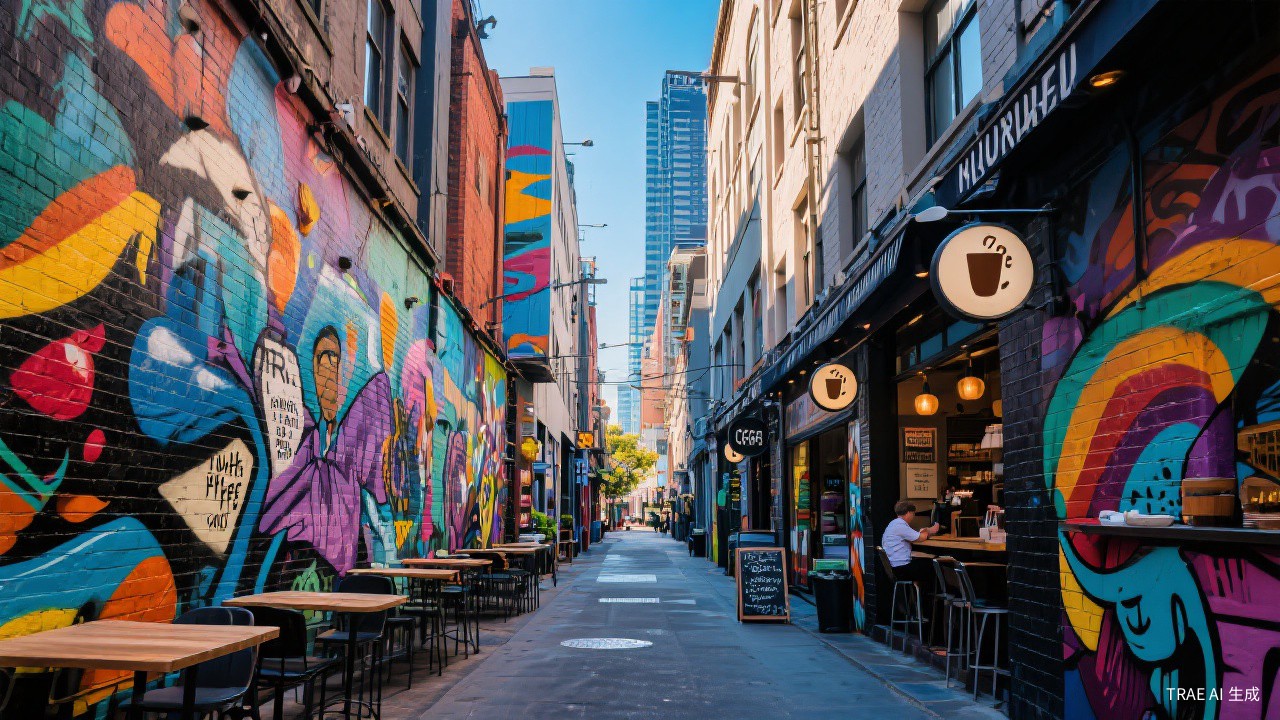
Melbourne is Australia's second-largest city and its cultural capital. The city is famous for its laneways—narrow alleys covered in street art and lined with cafes, bars, and restaurants—its sports obsession (the Melbourne Cricket Ground is the largest stadium in the Southern Hemisphere), and its position as the gateway to some of Victoria's most spectacular scenery.
The Great Ocean Road, a 240-kilometer coastal route west of Melbourne, is one of the world's most scenic routes. The Twelve Apostles—limestone stacks rising from the Southern Ocean—are the most photographed feature, but the entire road passes through rainforest, coastal cliffs, and surf beaches. The route can be done in a day but is better over 2-3 days.
Melbourne's food and coffee culture is among the best in the world. The city's cafes serve flat whites, long blacks, and pour-overs to a standard that rivals any coffee city on Earth. The Queen Victoria Market, operating since 1878, is the largest open-air market in the Southern Hemisphere. Federation Square, in the city center, is the cultural hub, with the Melbourne Museum, the Koorie Heritage Trust, and a constant schedule of events and performances.
Best Time to Go
Melbourne has a temperate climate with four distinct seasons. Spring (September to November) and autumn (March to May) are the most pleasant times to visit, with temperatures of 12-22°C and moderate rainfall.
Summer (December to February) is warm (20-35°C) but can be hot. The Australian Open tennis tournament (January) and the Melbourne Formula 1 Grand Prix (March) are major events. The city comes alive in summer with outdoor dining and festivals.
Winter (June to August) is cool (7-14°C) and can be rainy. This is the quietest season, with lower hotel prices and fewer tourists. The city's indoor attractions—museums, galleries, restaurants—are unaffected by the weather.
Getting There and Around
Melbourne Airport (MEL), 22 kilometers northwest of the city, has direct flights from all Australian capitals and major international cities including Singapore, Hong Kong, Dubai, Los Angeles, and London. The SkyBus connects the airport to Southern Cross Station in 20 minutes (A$20 one way).
Melbourne's public transit network—trains, trams, and buses—is extensive. The free tram zone covers the city center (no fare required within the zone). A Myki card (A$5 for the card plus fare) is needed for travel outside the free zone. Trams are the most iconic way to get around.
Southern Cross Station is the hub for regional trains to Geelong, Ballarat, and Bendigo. V/Line trains connect Melbourne to the Great Ocean Road (via Geelong, 3 hours) and to the Yarra Valley wine region (1.5 hours). Rental cars cost A$40-70 per day.
Where to Stay
City Center (CBD) puts you near Federation Square, Flinders Street Station, and the laneways. Hotels start at A$120-350 per night. The free tram zone makes getting around easy.
Southbank, across the Yarra River from the CBD, has restaurants, the Crown Entertainment Complex, and the Arts Centre Melbourne. Hotels start at A$130-300 per night.
St Kilda, 6 kilometers south of the CBD, is a beachside suburb with a pier, Luna Park (an historic amusement park), and Acland Street's famous cake shops. Hotels and apartments here cost A$100-250 per night. For budget travelers, hostels in the CBD and St Kilda charge A$25-40 per bed.
Must-See Attractions
Great Ocean Road Day Trip
This 240-kilometer coastal route west of Melbourne passes through Torquay (surf capital), Lorne (beach town), Apollo Bay (fishing village), and the Twelve Apostles (limestone stacks). The Twelve Apostles are the highlight—eight remaining stacks (three have collapsed) rise 45 meters from the Southern Ocean. The Loch Ard Gorge and London Bridge rock formations are nearby. The trip takes 4-5 hours one way. Organized tours (A$100-150) depart daily from Melbourne.
Entry: Organized tours A$100-150 | Open: Full day (7 AM-8 PM)
Federation Square
Melbourne’s cultural hub, Federation Square hosts the Australian Centre for the Moving Image (ACMI), the Koorie Heritage Trust, and a constant schedule of events, performances, and exhibitions. The square itself is a public gathering space with restaurants, bars, and views of Flinders Street Station. It is the best place to start exploring the city.
Cost: Free (museums A$15-20) | Hours: Always open (museums 10 AM-5 PM)
Melbourne Cricket Ground (MCG)
The largest stadium in the Southern Hemisphere (capacity 100,000), the MCG is the home of Australian Rules Football and the site of the 1956 Olympics. Tours (A$30) include the players’ changing rooms, the Long Room, and the pitch. If a match is on, attending is even better—the atmosphere at an AFL game is electric. Tickets for AFL matches start at A$25.
Entry: Tours A$30, match tickets from A$25 | Open: Tours 10 AM-3 PM daily (match days vary)
Royal Botanic Gardens
These 38-hectare gardens, south of the city center, contain over 8,500 plant species from around the world. The gardens are divided into themed sections including the Australian Rainforest Walk, the Herb Garden, and the Guilfoyle’s Volcano (a decorative water feature). The Aboriginal Heritage Walk (A$15) explores the plants used by the Kulin people. The gardens are free to enter and are a peaceful retreat from the city.
Cost: Free (Aboriginal Heritage Walk A$15) | Times: 7:30 AM-sunset daily
Laneways and Street Art
Melbourne’s laneways are narrow alleys covered in street art and lined with cafes, bars, and restaurants. Hosier Lane is the most famous, with constantly changing murals. Degraves Street, Centre Place, and Block Arcade are known for their cafes and atmosphere. The laneways are best explored on foot—allow 2-3 hours to wander. Free walking tours depart from Federation Square daily.
Entry: Free | Open: Always open (cafes 7 AM-5 PM)
Food and Drink
Flat White Coffee — Melbourne claims to have perfected the flat white—a double espresso with velvety steamed milk. The city has hundreds of excellent cafes. Seven Seeds, Market Lane, and Patricia Coffee Brewers are among the best-known. A flat white costs A$4-5.
Meat Pie — An Australian classic—a pastry filled with minced meat and gravy. Try a gourmet version at Pie Face or at the Queen Victoria Market. Budget A$5-7 per pie.
Dim Sum — Melbourne has a large Chinese community and excellent dim sum. The restaurants along Little Bourke Street in Chinatown serve dim sum that rivals Hong Kong. Shark Fin House and Flower Drum are well-regarded. Budget A$20-35 per person.
Pho — Melbourne’s Vietnamese community, centered in Victoria Street, Richmond, serves some of the best pho outside Vietnam. Try it at Pho Hung or I Love Pho 264. A large bowl costs A$15-20.
Practical Tips
• Use the free tram zone in the city center. You can ride any tram within the zone without a Myki card, saving money on short trips.
• Explore the laneways. Melbourne’s laneways are where the city’s best cafes, bars, and street art are found. Hosier Lane, Degraves Street, and Centre Place are the starting points.
• Take the Great Ocean Road over 2 days instead of 1. An overnight stay in Apollo Bay or Lorne lets you see the Twelve Apostles at sunset and sunrise.
Visit the Queen Victoria Market on a Tuesday, Thursday, or Saturday. The food halls have excellent fresh produce, meat, and prepared foods.
• Go to an AFL game at the MCG. Even if you do not understand the rules, the atmosphere is worth the ticket price.
Traveler's Tip
Walk from Federation Square to the Royal Botanic Gardens via the Yarra River path at sunset. The walk takes about 20 minutes and passes under the Princes Bridge, along the riverbank, and into the gardens as the light turns golden. It is the most pleasant walk in the city and costs nothing.