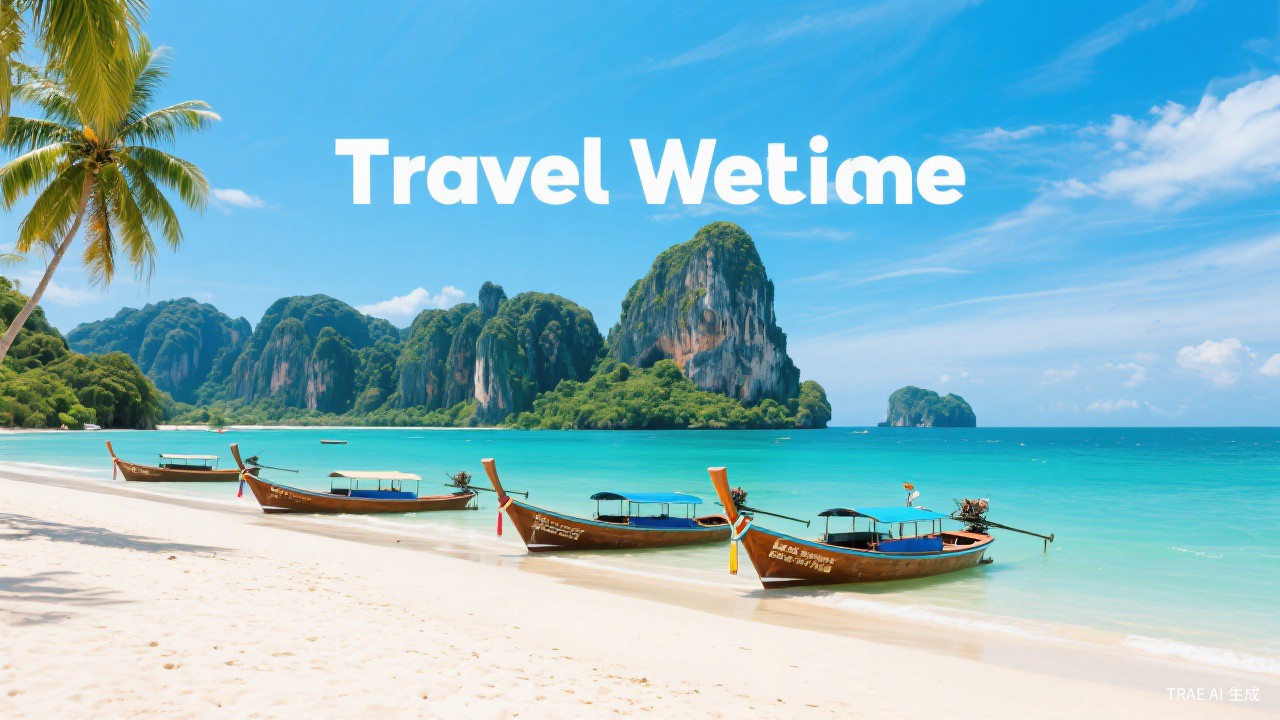
Phuket is Thailand's largest island and its most popular beach destination—for good reason. The island offers something for everyone: lively beach towns with nightlife that rivals anywhere in the world, quiet fishing villages where time seems to stand still, luxury resorts with private beaches, and some of Thailand's best diving and snorkeling. The Andaman Sea surrounding the island is dotted with limestone karsts rising dramatically from emerald water.
What defines Phuket special is its diversity. You can spend your days on crowded Patong Beach and your nights in its infamous nightlife district, or you can retreat to quiet Kamala or Nai Yang where the pace is slow and local. The island's interior has jungle-covered hills, waterfalls, and temples worth exploring. The food scene combines southern Thai spice with fresh seafood caught daily.
Beyond the beaches, Phuket serves as a gateway to some of Thailand's most beautiful destinations: Phi Phi Islands, Phang Nga Bay with its iconic James Bond Island, and the Similan Islands for world-class diving. Day trips are easy to arrange, and the infrastructure is well-developed for tourism.
Avoiding Monsoon
Visit during Phuket is during the dry season (November to April). December to March brings the best weather—sunny days, calm seas, and temperatures around 28-32°C. This is peak season with the highest prices and biggest crowds. Book accommodations months in advance.
The shoulder months (November and April) offer good weather with fewer crowds and lower prices. May and October are transitional—some rain but still plenty of sunshine. The monsoon season (May to October) brings heavy afternoon rains, rough seas, and lower prices. Some boat tours cancel during this period.
Major holidays affect crowds. Christmas and New Year are extremely busy. Chinese New Year (January/February) brings many Asian tourists. Songkran (Thai New Year, April 13-15) is a massive water fight—fun if you're prepared, overwhelming if you're not.
Tuk-Tuks & Motorbikes
Phuket International Airport (HKT) is in the north of the island. Taxis to Patong cost 800-1,000 THB and take 45-60 minutes. Airport buses are cheaper (100-180 THB) but slower. Many hotels offer airport transfers. The airport is being expanded, so expect construction.
Within Phuket, songthaews (shared pickup trucks) connect major beaches for 30-50 THB, but they follow set routes and can be confusing. Taxis are expensive—most rides cost 300-800 THB. Always negotiate before getting in; meters are rare. Tuk-tuks are even pricier and aggressive.
Motorbike rental is popular (200-300 THB/day), but traffic is dangerous and accidents common. An International Driving Permit is legally required. Car rental (1,000-1,500 THB/day) is safer and good for exploring the island. Ride-hailing apps Grab and Bolt are cheaper than taxis but sometimes banned from certain areas due to local politics.
Patong vs Kata vs Rawai
Patong is the party center with nightlife, shopping, and the famous Bangla Road. Hotels start at budget guesthouses (500-1,500 THB) to luxury resorts (5,000+ THB). It's loud and crowded but convenient for nightlife. Kata and Karon are more family-friendly with good beaches and mid-range hotels (1,500-4,000 THB).
Kamala offers a quieter beach experience with a local village feel. Surin is upscale with luxury hotels. Nai Yang near the airport has a national park beach and budget options. Rawai in the south is good for seafood and boat trips to nearby islands.
Phuket Town on the east side has colonial architecture, local food, and budget accommodations (400-1,500 THB). It's not near beaches but offers authentic Thai culture. For luxury, Bang Tao and Mai Khao have high-end resorts with private beaches.
Beaches, Temples & Islands
Phi Phi Islands
These beautiful islands became famous after "The Beach." Maya Bay reopened in 2022 after restoration. Day tours from Phuket cost 1,500-3,000 THB including lunch and snorkeling. Go early to avoid crowds. The islands are beautiful but heavily touristed.
Entry: Tours 1,500-3,000 THB | Open: Day trips
Phang Nga Bay
Limestone karsts rise dramatically from emerald water. James Bond Island (Koh Tapu) is the famous one, but sea kayaking through caves and lagoons is the highlight. Day tours cost 1,500-2,500 THB. The bay is sheltered, so tours run year-round.
Cost: Tours 1,500-2,500 THB | Times: Day trips
Big Buddha
This 45-meter white marble Buddha sits on a hilltop with panoramic views. The site is free to visit (donations welcome). Go at sunset for the best photos. The temple below is active, so dress modestly. It's a 30-minute trip from Patong.
Cost: Free | Open: 8 AM-7 PM
Wat Chalong
Phuket's most important Buddhist temple features a grand pagoda containing a splinter of Buddha's bone. The temple is active—observe respectfully. The central pagoda offers views from the top. Dress modestly (cover shoulders and knees).
Cost: Free | Hours: 7 AM-5 PM
Old Phuket Town
The historic center has Sino-Portuguese shophouses, now converted to cafés, boutiques, and museums. The Sunday Walking Street market is excellent for food and crafts. It's a nice break from beaches. Allow 2-3 hours to explore.
Tickets: Free | Hours: Always open (market Sunday 4-10 PM)
Promthep Cape
The southernmost point of Phuket offers dramatic views over the sea. It's famous for sunsets, though it gets crowded. The lighthouse has a small museum. Combine with nearby Rawai Beach for seafood.
Entry: Free | Hours: Always open
Thai Street Food
Southern Thai Curry — Southern Thailand is famous for spicy, coconut-based curries. Try gaeng tai pla (fish kidney curry) or massaman (Muslim-influenced curry with peanuts). Local restaurants serve these for 80-150 THB.
Fresh Seafood — Phuket's coastal location means excellent seafood. Rawai Beach has seafood markets where you choose your fish and they grill it. Expect 300-600 THB per person for a feast.
Pad Thai — Thailand's most famous dish is available everywhere. Street stalls serve it for 60-100 THB. The version in Phuket tends to be sweeter than Bangkok style.
Roti — Muslim-influenced flatbread served with curry or condensed milk. It's a southern Thai specialty. Find it at street stalls for 30-50 THB. Great for breakfast.
Mango Sticky Rice — Sweet coconut rice with fresh mango. It's a dessert staple available during mango season (April-June). A portion costs 80-120 THB.
Scams & Safety
• Rent a motorbike only if you're experienced. Accidents are common, and insurance often doesn't cover motorbike injuries.
• Negotiate taxi prices before getting in. Tuk-tuks are often more expensive than taxis.
• Respect the ocean. Rip currents can be dangerous. Swim where others are swimming and heed warning flags.
• Thai temples require covered shoulders and knees. A sarong is available at most temple entrances for 20 baht if you arrive underdressed. Remove shoes before entering any building. Point your feet away from Buddha images—showing the soles of your feet is considered disrespectful.
Avoid drugs. Penalties are severe, and police sometimes target tourists.
Traveler's Tip
Avoid Patong if you want peace. Kata and Karon beaches are quieter with better swimming. For real tranquility, stay on the northern beaches or take a boat to the islands.