What You Will Find in Portuguese Islands
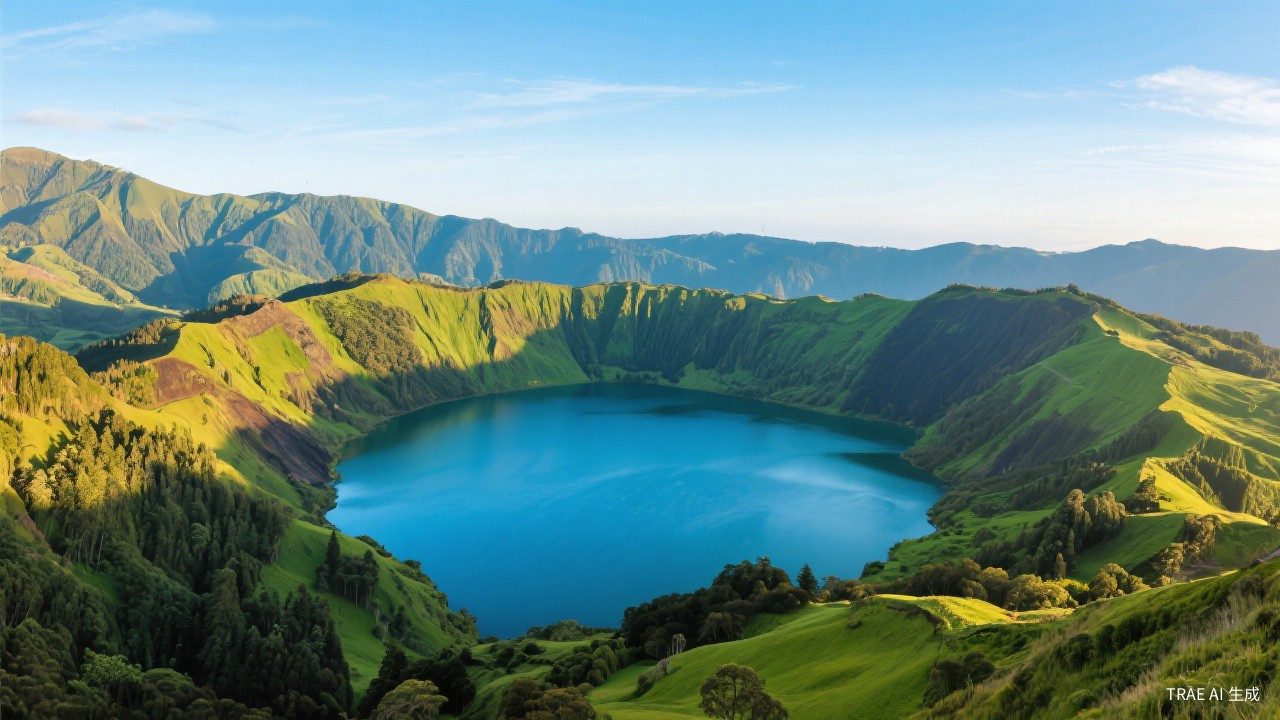
The Portuguese islands—the Azores and Madeira—sit in the Atlantic Ocean, 1,500 and 1,000 kilometers west of mainland Portugal respectively. Both archipelagos are volcanic in origin, and their terrain reflect this: the Azores are known for their emerald-green crater lakes, hot springs, and lush pastures; Madeira is famous for its dramatic cliffs, levada irrigation channels, and year-round spring-like climate.
The Azores consist of nine islands spread across 600 kilometers of ocean. Sao Miguel, the largest, is the most visited and contains Sete Cidades—twin lakes in a massive volcanic crater, one blue and one green. Pico Island has Portugal's highest peak (Mount Pico at 2,351 meters) and vineyards growing in black volcanic rock. Furnas, on Sao Miguel, has hot springs, fumaroles, and the practice of cooking food underground using volcanic heat.
Madeira, 1,000 kilometers southwest of the Azores, is a single island with a population of 250,000. The capital, Funchal, clings to a hillside overlooking the harbor. The island's levadas—a network of irrigation channels totaling over 2,000 kilometers—double as hiking trails that follow ridges, tunnel through mountains, and pass through laurel forests. The Laurisilva forest, a UNESCO World Heritage site, is the largest surviving area of primary laurel forest in the world.
Best Time to Go
The Azores have a mild, maritime climate year-round. Temperatures start at 14-25°C in summer and 12-18°C in winter. Rain is possible at any time but rarely lasts all day. June to September is the driest and warmest period. The whale-watching season runs from April to October.
Madeira has a subtropical climate with temperatures of 18-26°C in summer and 14-20°C in winter. The island is often called the "island of eternal spring" for its consistent, mild weather. January to March can be rainy. The Madeira Flower Festival in April and the Atlantic Festival in June are popular events.
Both archipelagos can be visited year-round, but the summer months offer the best weather for hiking and outdoor activities. Spring brings wildflowers to both destinations.
Getting There and Around
The Azores are served by SATA Airlines, with direct flights from Lisbon (2.5 hours), Ponta Delgada (on Sao Miguel) is the main gateway. Ryanair and TAP also serve the Azores from select European cities.
Madeira's Cristiano Ronaldo International Airport (FNC) has direct flights from Lisbon (1.5 hours), London (4 hours), and several other European cities. Budget airlines like Ryanair and easyJet serve Madeira from multiple European cities.
Within the Azores, SATA operates inter-island flights. Ferries connect some islands in summer. On Madeira, buses connect Funchal to most towns, but renting a car ($25-40 per day) is the most practical option for exploring the island. The roads are narrow and winding—allow extra driving time.
Where to Stay
Ponta Delgada (Sao Miguel, Azores) has the widest range of hotels, from $50-150 per night. The city is walkable, with restaurants, a marina, and access to the island’s main attractions.
Funchal (Madeira) is the main city, with hotels ranging from $60-300 per night. The old town (Zona Velha) has boutique hotels and restaurants. The hotel zone (Lido) has larger resort hotels with pools and ocean views.
For a more rural experience, consider a guesthouse or rural tourism property on Sao Miguel ($40-100 per night) or in Madeira’s interior villages ($40-80 per night). Both archipelagos have campgrounds for budget travelers.
Must-See Attractions
Sete Cidades (Sao Miguel, Azores)
This massive volcanic crater on the west side of Sao Miguel contains twin lakes—Lagoa Azul (blue) and Lagoa Verde (green)—separated by a narrow bridge. The viewpoint at Vista do Rei offers the classic panoramic view. The crater rim road provides additional viewpoints. The village of Sete Cidades at the crater floor has a church and a few cafes. The travel from Ponta Delgada takes about 40 minutes.
Cost: Free | Open: Always open (viewpoints best in morning light)
Mount Pico (Pico Island, Azores)
Portugal’s highest peak at 2,351 meters, Mount Pico is a dormant stratovolcano that dominates the island. The climb to the summit takes 6-8 hours round trip and requires a guide (mandatory). The lower slopes are covered with vineyards growing in black volcanic rock—a UNESCO World Heritage Scenery. The Pico Vineyard Culture Scenery is unique in the world.
Tickets: Guide EUR 50-80 | Open: Climb May-September (weather dependent)
Furnas Hot Springs (Sao Miguel, Azores)
The town of Furnas sits in a volcanic caldera with fumaroles, hot springs, and boiling mud pools. The Terra Nostra Botanical Garden has a large thermal pool filled with naturally heated iron-rich water (EUR 10). The town is also known for cozido das Furnas—a stew of meat and vegetables cooked underground for 6-7 hours using volcanic heat. Several restaurants serve it daily.
Tickets: Terra Nostra EUR 10, cozido EUR 15-20 | Hours: Terra Nostra 8 AM-8 PM
Funchal and the Monte (Madeira)
Funchal, Madeira’s capital, is a city of tiled sidewalks, botanical gardens, and a historic old town with painted doors. The Monte district, above Funchal, is reached by the Monte Cable Car (EUR 11 one way) and has the Monte Palace Tropical Garden (EUR 15). The toboggan ride from Monte down to Funchal, in wicker baskets guided by two men, is a Madeira tradition dating to the 1850s (EUR 25 for two people).
Cost: Cable car EUR 11, toboggan EUR 25 | Open: Cable car 9 AM-6 PM, toboggan 9 AM-6 PM
Levada Walks (Madeira)
Madeira’s levadas—irrigation channels built over centuries—double as hiking trails that crisscross the island. The Levada do Caldeirao Verde (10 km round trip) passes through a laurel forest to a waterfall. The Levada das 25 Fontes (11 km) visits 25 natural springs. The Levada do Alecrim is a shorter, easier option (5 km). The trails are narrow and can be slippery—wear good shoes. Some levadas have tunnels—bring a flashlight.
Tickets: Free | Times: Always open (daylight recommended)
Food and Drink
Cozido das Furnas — A traditional Azorean stew of beef, pork, chicken, chorizo, vegetables, and cabbage, cooked underground for 6-7 hours using volcanic heat from Furnas’ fumaroles. The meat emerges tender and infused with a smoky flavor. Try it at Restaurante Tony or O Miroma in Furnas. Budget EUR 15-20 per person.
Lapas (Azorean Limpets) — Lapas are a type of limpet, grilled in their shells with garlic butter. They are a traditional Azorean seafood dish and are found at restaurants throughout Sao Miguel. Try them at a restaurant in Ponta Delgada’s marina area. Budget EUR 12-18 per serving.
Madeira Wine — Madeira is a fortified wine produced exclusively on the island of Madeira. The wine ranges from dry (Sercial) to sweet (Malvazia, Malmsey). The Blandy’s Wine Lodge in Funchal offers tours and tastings (EUR 15). The Old Blandy Wine Lodge has been producing Madeira since 1811. A tasting of several wines costs EUR 10-20.
Espetada (Madeira Beef Skewer) — A traditional Madeiran dish of beef cubes marinated in garlic and bay leaf, skewered on a bay laurel stick, and grilled over charcoal. The skewer is hung from a metal stand at the table. Try it at Restaurante A Quinta in Funchal or at a traditional restaurant in the old town. Budget EUR 15-25 per person.
Practical Tips
• Rent a car on both islands. Public transit is limited, and the best sights are spread across the islands. On Madeira, the roads are narrow and winding—allow extra time.
Bring rain gear and layers. Both archipelagos experience rapid weather changes. A sunny morning can turn to rain in minutes.
Book whale-watching tours in advance in the Azores. The season runs April to October, and the best tours depart from Ponta Delgada or Vila Franca do Campo. Expect to see sperm whales, dolphins, and possibly blue whales.
Try the local cheese. Sao Miguel produces excellent cheese, particularly Queijo Sao Jorge from Jorge Island. It is available at markets and restaurants.
• Hike the levadas early in the morning. The trails are narrow, and afternoon fog can reduce visibility. Start early to avoid other hikers on popular routes.
Traveler's Tip
If you have time for only one levada walk on Madeira, choose the Levada do Caldeirao Verde. The 10-kilometer round-trip trail passes through a UNESCO-protected laurel forest, crosses a tunnel, and ends at a waterfall cascading into a green pool. It is the most atmospheric hike on the island.