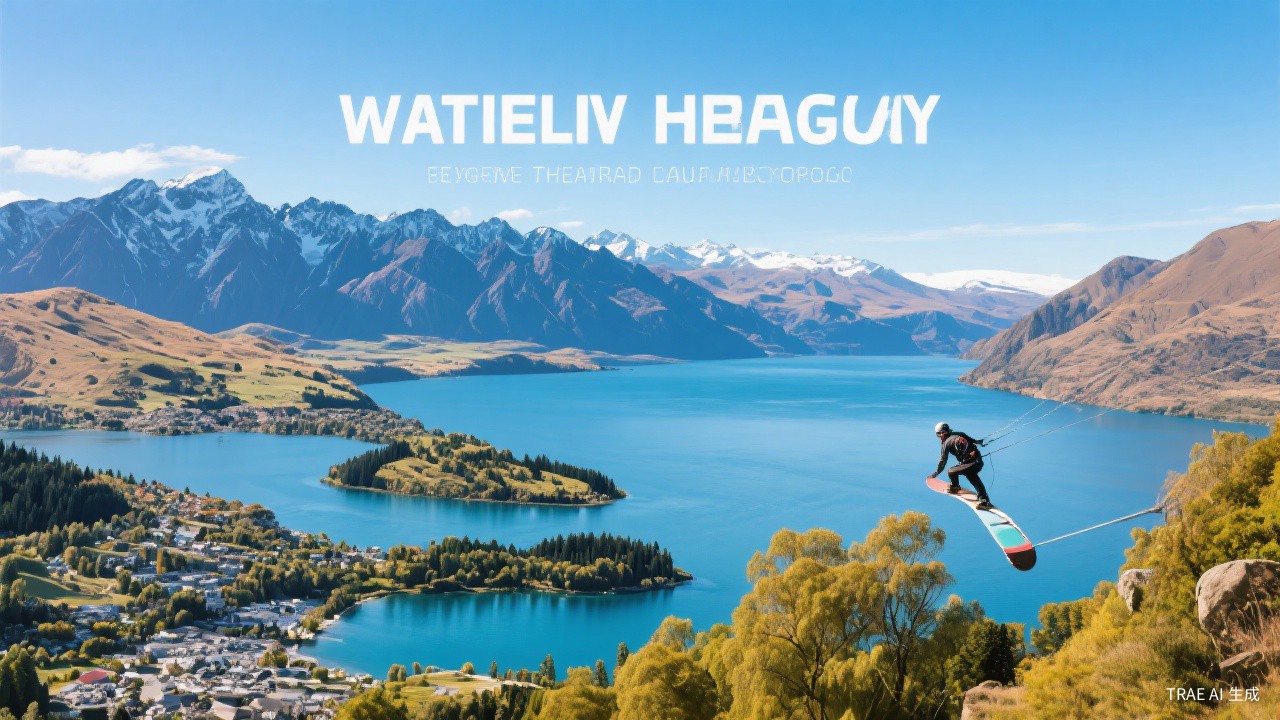
Queenstown is the adventure capital of the Southern Hemisphere, set against a backdrop so beautiful it seems computer-generated. Lake Wakatipu stretches between dramatic mountain ranges, the Remarkables and the Southern Alps, their peaks reflected in the crystal-clear water. This is where bungy jumping was invented, where you can skydive over glaciers, jet boat through narrow canyons, and ski world-class slopes—all before lunch.
What defines Queenstown special is the combination of adrenaline and accessibility. You can be throwing yourself off a bridge in the morning and sipping Pinot Noir at a lakeside winery in the afternoon. The surrounding region includes the wine country of Gibbston Valley, the historic gold-mining town of Arrowtown, and the gateway to Milford Sound—arguably the world's most spectacular fjord.
The town itself is compact and walkable, with restaurants, bars, and adventure booking offices lining the lakefront. It's touristy and can feel crowded, but the setting justifies the popularity. Sunrise over the Remarkables, when the peaks turn pink and the lake is perfectly still, is worth the early wake-up call.
Beyond the famous activities, Queenstown offers something for every type of traveler. Film fans can visit locations from The Lord of the Rings, filmed throughout the region. Nature lovers find endless hiking trails, from short lakeside walks to multi-day backcountry routes. Photographers have endless subjects: mirror lakes, snow-capped peaks, golden autumn foliage, and dramatic cloud formations. Families enjoy the luge track, mini-golf, and scenic boat cruises.
The local culture blends Maori heritage, gold-rush history, and modern adventure tourism. The TSS Earnslaw, a 1912 steamship still operating on Lake Wakatipu, connects visitors to this past. You can visit historic Chinese mining settlements in Arrowtown or learn about early Maori routes through the mountains. This mix of old and new gives Queenstown character beyond its adventure reputation.
Ski Season vs Summer
Visit during Queenstown depends on what you want to do. Summer (December to February) offers long days, warm weather (15-25°C), and all activities operating. It's peak season with the highest prices. Book accommodations months in advance. Summer is ideal for hiking the Routeburn Track, swimming in Lake Wakatipu (brave souls only—the water rarely exceeds 12°C), and enjoying outdoor concerts and festivals.
Winter (June to August) is ski season, with four ski areas within 90 minutes. The town is busy with skiers and snowboarders. Temperatures start at 0-10°C. Coronet Peak is closest (25 minutes) and has night skiing. The Remarkables offers great views and terrain parks. Cardrona and Treble Cone are further but less crowded. Winter also brings the Queenstown Winter Festival in June, with fireworks, street parties, and mountain competitions.
Spring (September to November) brings wildflowers, waterfalls at full flow from snowmelt, and fewer tourists. It's an excellent time for photography and scenic drives. Autumn (March to May) paints the Scenery in gold and red, especially in Arrowtown. The Arrowtown Autumn Festival in April celebrates the season with local food, music, and crafts. These shoulder seasons offer lower prices and mild weather perfect for hiking and cycling.
Year-round, the weather can change quickly. Always carry layers, even in summer. The lake affects temperatures—it can be 10°C cooler by the water than in town. Winter driving requires chains on mountain roads.
Car Hire & Shuttles
Queenstown Airport (ZQN) is 10 minutes from town. Taxis cost NZD 25-35. The Connectabus is cheaper (NZD 10). Many hotels offer airport shuttles. The airport has beautiful views on approach—sit on the left side.
Queenstown town center is walkable. For attractions further out, the Orbus public transport connects major areas (NZD 2 with Bee Card). Many activities include hotel pickup. Renting a car is helpful for exploring the region, but parking in town is limited.
driving in winter requires snow chains on some roads. The road to Glenorchy and Milford Sound is scenic but winding. Allow extra time. Shuttle buses operate to ski fields and Milford Sound if you prefer not to travel.
Central vs Frankton
Town Center puts you walking distance to restaurants, bars, and the lakefront. Hotels cost NZD 200-500/night. It's convenient but can be noisy. Lakefront offers views and slightly more quiet for similar prices.
Frankton near the airport has newer hotels and shopping centers at lower prices (NZD 150-300). It's a 10-minute Go or bus to town. Kelvin Heights across the lake is quieter with holiday homes and a golf course.
Arrowtown (20 minutes away) is a historic gold-mining village with charm and fewer crowds. Gibbston Valley has vineyard accommodations. For budget travelers, hostels in town cost NZD 35-70/night. Freedom camping is restricted—use designated sites.
Bungee, Hikes & Milford
Milford Sound
This fjord is often called the "eighth wonder of the world." Waterfalls cascade from vertical cliffs, and dolphins sometimes follow boats. Day trips from Queenstown take 12-14 hours (including 4 hours each way). Book a cruise and consider scenic flight returns. The Go itself is spectacular, passing through Fiordland National Park with stops at Mirror Lakes and the Homer Tunnel. Overnight cruises let you experience the fjord at dawn and dusk when wildlife is most active.
Admission: Tours NZD 150-300 | Open: Full day trips, depart 7-8 AM
Bungy Jumping
Queenstown is where commercial bungy began. The Kawarau Bridge (43m) is the original site where AJ Hackett launched his first commercial operation in 1988. You can touch the water on this jump. The Nevis (134m) is the highest, with 8.5 seconds of freefall—not for the faint-hearted. The Ledge (47m) is in town and offers night jumps. Prices range NZD 180-395. Book in advance during peak season. Photos and videos cost extra but are worth it for the memories.
Entry: NZD 180-395 | Hours: Daily 9 AM-5 PM, weather permitting
Skyline Gondola
The gondola rises 450m to Bob's Peak with panoramic views over Queenstown and Lake Wakatipu. At the top, there's a restaurant, luge track, and hiking trails. The view alone is worth the trip. Go at sunset for the best photos. The luge track offers two courses: scenic and advanced. You can also paraglide from the top. Walking down takes about an hour through native forest.
Entry: NZD 46 return, Luge extra | Times: 9 AM-late
Jet Boating
High-speed boats find your way narrow canyons just centimeters from rock walls. The Shotover Jet is most famous (NZD 139), racing through Shotover Canyon's sheer rock walls. The Kawarau Jet is slightly cheaper and operates on the Kawarau River. Both are thrilling. Allow 1-2 hours including transport. You will get wet—waterproof jackets are provided but wear quick-dry clothes.
Entry: NZD 120-150 | Open: Daily 9 AM-5 PM, weather permitting
Arrowtown
This historic gold-mining village 20 minutes from Queenstown has preserved 19th-century buildings, a Chinese settlement, and excellent cafes. The autumn colors (April-May) are spectacular. Allow half a day. The Lakes District Museum tells the gold rush story. Try gold panning in the Arrow River—you might find something. The walking track along the river is peaceful and scenic.
Tickets: Free | Times: Always open, museums 10 AM-4 PM
Wine Tasting
The Gibbston Valley is known as the "Valley of Vines." Several wineries offer tastings, including Gibbston Valley Winery and Peregrine. A wine tour costs NZD 100-180 including lunch. The Pinot Noir is particularly good. The region's cool climate produces elegant wines with distinct character. Many tours include a cave visit at Gibbston Valley, where wines age in an underground tunnel. Self-driving is possible but book tastings in advance.
Entry: Tours NZD 100-180 | Times: Daily 10 AM-5 PM
Glenorchy
This small settlement 45 minutes from Queenstown sits at the head of Lake Wakatipu. The Go is one of New Zealand's most scenic, with mountain views at every turn. Glenorchy is the gateway to several Great Walks and was a filming location for The Lord of the Rings. Horse trekking and jet boating are popular here. The small town has a cafe and a pub—good for lunch before heading back.
Entry: Free to visit | Hours: Always open
Fergburger & Wineries
Fergburger — This legendary burger joint has a cult following. The burgers are enormous and creative—try the Sweet Bambi (venison). Expect queues but they move fast. A burger costs NZD 15-25. Open until late, it's a favorite post-adventure meal. The menu has over 30 options including vegetarian and gluten-free choices.
Patagonia Chocolates — This local chain makes excellent handmade chocolates and ice cream. Try the hokey pokey flavor (honeycomb toffee), a New Zealand classic. Hot chocolates are rich and warming after a day on the slopes. Locations in town and at the airport for last-minute gifts.
Whitebait — Tiny fish caught in local rivers, typically served as fritters. It's a seasonal delicacy (spring). Try at Pier 19 or Boardwalk. A fritter costs NZD 20-30. The flavor is delicate and best enjoyed simply with lemon.
Central Otago Pinot Noir — The world's southernmost wine region produces excellent Pinot Noir. Try it at any restaurant or visit the wineries. A glass costs NZD 12-18. The region also produces good Riesling and Pinot Gris for white wine lovers.
Manuka Honey — New Zealand's famous honey has antibacterial properties. Buy it at markets or specialty shops. A jar costs NZD 15-40 depending on grade. Higher UMF ratings indicate higher potency.
Fish and Chips — A New Zealand staple. Get it wrapped in paper and eat by the lake. Blue cod is a local specialty. A serving costs NZD 12-20. Best enjoyed at sunset with mountain views.
Saffron — An award-winning restaurant in Arrowtown offering modern New Zealand cuisine. The tasting menu showcases local ingredients. Book ahead for dinner. Main courses NZD 35-50.
Public Kitchen and Bar — A lakefront spot with shared plates and local beers. Great for groups and casual dining. The outdoor deck has excellent views. Mains NZD 25-40.
Adventure Booking
Book adventure activities in advance during peak season. They fill up.
• Go carefully in winter. Snow chains are required on some roads.
Book Milford Sound trips early—long drives mean early starts.
• Sunscreen is essential. UV levels are high, and snow reflects sunlight.
• If bungy jumping, don't eat heavily beforehand. Trust me.
Bring a good camera or phone with plenty of storage. You'll take more photos than expected.
Book restaurants for dinner during peak season. Walk-ins can be difficult.
• Carry cash for smaller vendors, though most places accept cards.
• The i-SITE visitor center on Shotover Street has free maps and booking services.
• Consider travel insurance that covers adventure activities—standard policies may not include bungy or skydiving.
• Public toilets are clean and free throughout town. Use them before heading to remote areas.
• Tap water is safe to drink. Bring a refillable bottle.
Traveler's Tip
Book adventure activities in advance, but leave room for spontaneity. Weather changes quickly in the mountains, and you might need to switch days.