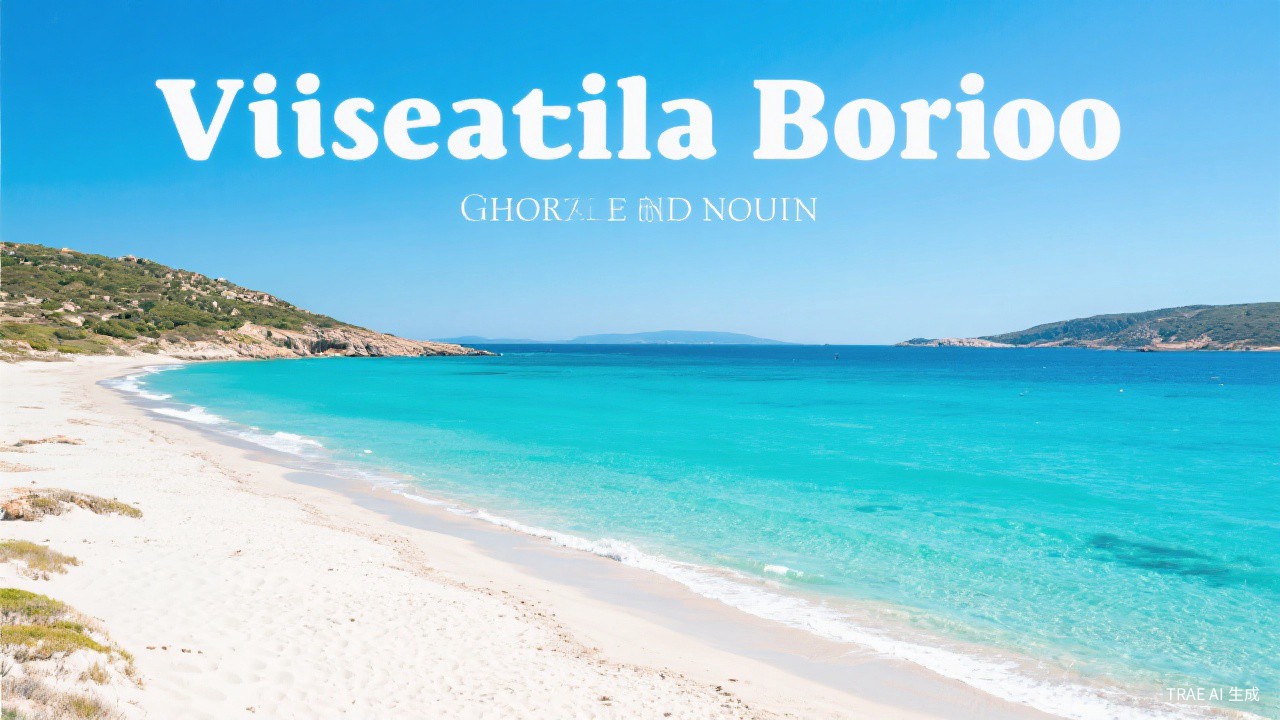
First Impressions of Sardinia
Sardinia is the Mediterranean's second-largest island, and its coastline ranks among the most beautiful in Europe. The Costa Smeralda (Emerald Coast) in the northeast has white sand beaches and turquoise water that rivals the Caribbean. The Golfo di Orosei on the east coast has dramatic limestone cliffs dropping into the sea, accessible only by boat or hiking trail. Cala Goloritze, with its natural arch and pinnacle rock, stands out as photographed beaches in Italy. But Sardinia is more than beaches—the interior is a rugged, mountainous Scenery of cork oak forests, sheep farms, and ancient Nuragic stone towers built between 1900 and 730 BC.
Sardinian culture is distinct from mainland Italy. The island has its own language (Sardu), its own cuisine—porceddu (roast suckling pig), culurgiones (handmade pasta filled with potato and pecorino), and pane carasau (thin crispy flatbread). The shepherds who tend the island's 3 million sheep produce some of Europe's best pecorino cheese. The interior villages like Orgosolo are known for political murals, while the town of Alghero on the northwest coast retains a Catalan influence from centuries of Spanish rule.
Allow at least a week. Split your time between the coast (three to four days) and the interior (two to three days). Rent a car—public transport is limited outside the main cities. Cagliari, the capital, makes a good starting point. Olbia in the northeast is convenient for the Costa Smeralda. The SS131 highway connects the main towns.
Best Time to Go
May to June and September to October are ideal. Temperatures start at 20 to 28 degrees, the sea is warm enough for swimming from June, and the beaches are less crowded. May has wildflowers and green hills. September is warm and the sea is at its warmest.
July and August are hot (28 to 35 degrees) and crowded—the Costa Smeralda fills with yacht owners and Italian holidaymakers. Prices peak. Winter (November to March) is mild on the coast (10 to 15 degrees) but the interior mountains can get snow. Many coastal hotels and restaurants close from November to March.
Getting There and Around
Sardinia has three airports: Cagliari (CAG) in the south, Olbia (OLB) in the northeast, and Alghero (AHO) in the northwest. All have direct flights from mainland Italian cities and seasonal European connections. Ryanair and EasyJet serve all three. Ferries from Civitavecchia (near Rome), Genoa, and Naples take 8 to 12 hours and cost from €40 per person with a car.
Renting a car is essential for exploring Sardinia. Cars cost €30 to €50 per day. The SS131 highway connects Cagliari to Sassari and Olbia. Secondary roads are narrow and winding. ARST buses connect towns but run infrequently. Taxis are expensive and scarce outside cities.
Where to Stay
The Costa Smeralda offers the most luxurious accommodation. Hotels start at €200 to €800 per night in summer. Porto Cervo is the most exclusive area. For better value, stay in Palau or Santa Teresa Gallura (from €80 to €200 per night) and day-trip to the beaches.
Alghero, on the northwest coast, is a charming base with a Catalan old town. Hotels start at €60 to €200 per night. The town has excellent restaurants, a beach, and easy access to Capo Caccia and the Neptune's Grotto. Cagliari, the capital, offers a city experience with hotels from €50 to €150 per night.
For an interior experience, stay in a agriturismo (farm stay) in the Supramonte mountains. Rooms start at €60 to €120 per night including meals. These working farms serve traditional Sardinian food and offer access to hiking trails and Nuragic sites.
Must-See Attractions
Cala Goloritze
One of Sardinia's most iconic beaches, with a natural limestone arch, a 148-meter rock pinnacle (Aguglia), and white pebbles washed by emerald water. The beach is accessible only by a one-hour hike from the Golgo plateau or by boat. Swimming here feels like being inside a postcard. The beach is protected and has no facilities—bring everything you need.
Entry: Free (boat access from €15) | Times: Always open; best visited morning
Su Nuraxi di Barumini
A UNESCO World Heritage Site and the best-preserved Nuragic complex in Sardinia. The central tower dates to 1500 BC and is surrounded by a village of circular stone huts. The Nuragic civilization built these towers across Sardinia—over 7,000 remain. The site was excavated in the 1950s and provides insight into a Bronze Age culture that remains mysterious.
Cost: €15 | Hours: 9 AM to 5 PM daily
Neptune's Grotto (Grotta di Nettuno)
A sea cave on the Capo Caccia promontory near Alghero, accessible by 654 steps cut into the cliff or by boat from Alghero port. The cave contains stalactites, stalagmites, and a reflecting pool. The columns and formations are impressively large. The boat trip from Alghero takes about 30 minutes each way.
Entry: €13 including boat; stairs free | Times: 9 AM to 7 PM, April to October
La Pelosa Beach, Stintino
A shallow, sandy beach with water so clear it barely looks real. The beach faces the island of Asinara and has a 16th-century Aragonese watchtower at one end. The water is waist-deep for 50 meters, making it ideal for families. Arrive early in summer—the beach fills quickly.
Entry: Free; parking €2 | Open: Always open
Orgosolo Murals
The mountain village of Orgosolo is covered in political murals—over 150 paintings on building walls depicting themes of social justice, Sardinian identity, and anti-war messages. The tradition began in the 1970s and continues today. Walking through the village feels like visiting an open-air gallery. The surrounding Supramonte mountains offer excellent hiking.
Admission: Free | Open: Always open
Food and Drink
Porceddu (Roast Suckling Pig) — A Sardinian classic: whole suckling pig roasted slowly over a wood fire until the skin is crispy and the meat is tender. Traditionally served at festivals and family gatherings. Try it at Agriturismo Sa Marchesa in Oliena, where the pig is roasted in a wood-fired oven and served with myrtle leaves.
Culurgiones — Handmade pasta dumplings filled with potato, pecorino cheese, and mint, pinched closed in decorative patterns. Each village has its own shape and filling. Try them at Su Gologone hotel restaurant in Oliena, which serves some of the best traditional Sardinian food on the island.
Pecorino Sardo — Sheep's milk cheese aged for varying periods—fresh (dolce) is mild and creamy, while aged (piccante) is sharp and crumbly. Sardinia produces some of Europe's best pecorino. Buy it at the market in Cagliari or order a cheese platter at any restaurant. The aged version pairs well with Cannonau wine.
Cannonau di Sardegna Wine — A red wine made from the Cannonau grape, which may be the world's oldest cultivated variety. The wine is full-bodied with notes of dark fruit and herbs. Sardinia has one of the highest concentrations of centenarians in the world, and locals attribute it to Cannonau and a Mediterranean diet. Try it at any agriturismo.
Practical Tips
• Rent a car. Sardinia is large and public transport is limited outside cities.
• Many beaches have no facilities. Bring water, food, and shade.
• The interior roads are narrow and winding. Allow extra time for drives.
• Agriturismi offer the best value—full board (room, breakfast, lunch, dinner) from €80 per person.
• Sardinian restaurants often close between lunch and dinner. Eat the main meal at midday.
Traveler's Tip
Take the boat from Cala Gonone to Cala Luna beach, then hike the coastal trail to Cala Goloritze (about three hours). The trail follows the cliff edge above some of the most beautiful water in the Mediterranean. Arrange for a boat to pick you up at Goloritze—it is easier than hiking back.