The hawker center at Maxwell Road overwhelmed me—hundreds of stalls, thousands of people, impossible choices. An auntie at the chicken rice stall saw my confusion and simply pointed to the empty chair beside her. She ordered for me, explained each dish, and told me about her son in Perth. That $4 meal was the best dinner of my trip, not because of the food, but because of her generosity.
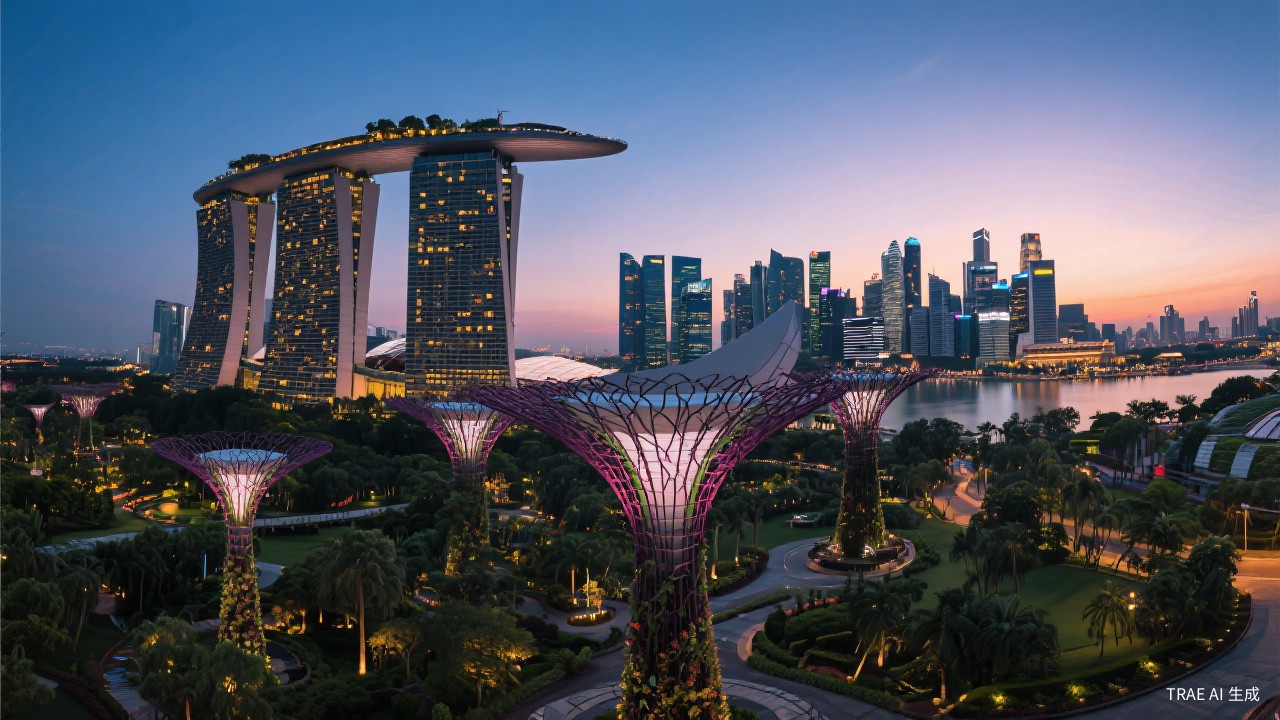
Singapore is a city of superlatives and contrasts. This tiny island nation (smaller than most cities) has transformed from a swampy trading post to one of the world's most modern metropolises in just 50 years. Futuristic architecture like Marina Bay Sands and the Jewel Changi Airport waterfall coexists with colonial shophouses and ancient temples. It's clean, safe, and efficient to an almost uncanny degree—chewing gum is banned, and flushing public toilets is required by law.
What defines Singapore special is its cultural diversity. Chinese, Malay, Indian, and Western influences blend in a way that feels natural rather than forced. You can start your day with dim sum in Chinatown, have laksa for lunch in Little India, and end with cocktails at a rooftop bar overlooking the skyline. Each neighborhood has its own distinct character, yet the whole feels cohesive.
The food scene alone justifies a visit. Singapore's hawker centers serve some of the world's best food at incredibly low prices—Michelin-starred chicken rice costs $3. The city has become a global dining destination, with everything from street food to restaurants helmed by celebrity chefs. This combination of accessibility and excellence makes Singapore unique among world cities.
Year-Round Heat
Singapore is hot and humid year-round, with temperatures consistently between 25-32°C. There's no true "best" time weather-wise, but there are considerations. The dry season (February to April) sees slightly less rain, making it marginally more comfortable for sightseeing. The wet season (November to January) brings heavier afternoon downpours but rarely all-day rain.
Major events affect crowds and prices. Chinese New Year (January/February) brings festivities but also crowds and higher hotel rates. The Great Singapore Sale (June-August) offers shopping discounts. The Singapore Grand Prix (September) is a major event that books up hotels months in advance.
For the best experience, visit during shoulder periods like March-April or September-October. The weather is similar year-round, but you'll avoid major event crowds. Pack for heat and humidity—lightweight, breathable clothing is essential. Air conditioning is everywhere, so bring a light layer for indoor spaces.
MRT & Grab
Singapore Changi Airport is consistently rated the world's best airport, and for good reason. It's efficient, beautiful, and offers free city tours for transit passengers. The MRT (mass rapid transit) connects the airport to the city in 30 minutes for $2. Taxis cost $20-30 to downtown and take 20-30 minutes.
The MRT and bus system is excellent—clean, efficient, and covers the entire island. A single MRT ride costs $0.80-2.50 depending on distance. Get an EZ-Link card ($12 including $7 credit) for tap-and-go convenience on all public transport. The Singapore Tourist Pass offers unlimited travel for 1-3 days ($10-20).
Taxis are affordable and metered—most rides within the city cost $8-15. Ride-hailing apps Grab and Gojek are popular and often cheaper than taxis. Walking is pleasant in most areas, though the heat can be draining. Many buildings are connected by air-conditioned underground passages, letting you walk in comfort.
Marina Bay vs Orchard
Marina Bay is the most prestigious area, home to Marina Bay Sands, ArtScience Museum, and luxury hotels. Expect to pay $300-600+ per night. The views are spectacular, and you're walking distance to major attractions. Colonial District/City Hall offers historic hotels like Raffles and the National Gallery area, with similar price points.
Orchard Road is the shopping district with many mid-range to luxury hotels ($150-400/night). It's central and well-connected by MRT. Chinatown offers budget-friendly options including hostels ($30-50) and boutique hotels ($80-150). The area is lively and authentic, with great food options.
Little India has the most affordable accommodations, from hostels to mid-range hotels ($50-150). It's colorful and lively, though can be noisy. Clarke Quay is the nightlife district with hotels ranging from mid-range to luxury. It's convenient for evening entertainment but can be loud on weekends.
Gardens, Sentosa & Hawkers
Marina Bay Sands
This iconic three-tower hotel dominates Singapore's skyline. The SkyPark observation deck on the 57th floor offers panoramic views ($26). The infinity pool is reserved for hotel guests, but the adjacent shopping mall and the gaming floor is open to all. The light show at 8 PM and 9 PM is visible from the waterfront.
Tickets: SkyPark $26 | Times: 9:30 AM-10 PM
Gardens by the Bay
This 101-hectare nature park features the famous Supertree Grove—vertical gardens up to 50 meters tall that come alive with a light show nightly. The Cloud Forest and Flower Dome are climate-controlled conservatories with exotic plants. The OCBC Skyway connects the supertrees for elevated views.
Admission: Outdoor free, conservatories $28 | Hours: 5 AM-2 AM (conservatories 9 AM-9 PM)
Hawker Centers
Singapore's hawker centers are UNESCO-recognized cultural institutions. Maxwell Food Centre, Lau Pa Sat, and Tekka Centre offer dozens of stalls serving local favorites at $3-8 per dish. Try Hainanese chicken rice at Tian Tian (Maxwell), satay at Lau Pa Sat, and roti prata at Tekka. No tipping required.
Admission: $3-8 per dish | Open: Varies by stall, typically 8 AM-10 PM
Sentosa Island
This resort island offers beaches, theme parks, and attractions. Universal Studios Singapore, S.E.A. Aquarium, and Adventure Cove Waterpark are the main draws. The cable car from Mount Faber offers scenic views. A day pass covering attractions costs $70-100. The beaches are free but crowded on weekends.
Cost: Entry free, attractions extra | Times: Varies by attraction
Singapore Botanic Gardens
This UNESCO World Heritage site spans 82 hectares of tropical plants. The National Orchid Garden ($5) features over 1,000 orchid species. The gardens are popular for morning jogs and evening strolls. Free concerts sometimes take place at the Shaw Foundation Symphony Stage.
Tickets: Free (Orchid Garden $5) | Hours: 5 AM-midnight
Chinatown
This historic district centers around the Buddha Tooth Relic Temple, which houses a sacred relic in a beautiful four-story building. The nearby Sri Mariamman Temple is Singapore's oldest Hindu temple. Street markets sell souvenirs, and the food court offers local dishes. Best visited during Chinese New Year.
Admission: Free | Open: Always open (temples have specific hours)
Hawker Center Guide
Hainanese Chicken Rice — Singapore's national dish features poached chicken with fragrant rice cooked in chicken fat and broth. Tian Tian at Maxwell Food Centre won a Michelin Bib Gourmand. A plate costs $3-5. The ginger-chili sauce is essential.
Laksa — This spicy noodle soup combines Chinese and Malay influences. The coconut curry broth contains rice noodles, shrimp, fish cakes, and cockles. 328 Katong Laksa is famous for its version. Expect to pay $5-8.
Chili Crab — Whole mud crab stir-fried in sweet, savory, and slightly spicy tomato-based sauce. It's messy to eat but delicious—order mantou (fried buns) to soak up the sauce. A crab costs $30-60 depending on size.
Satay — Grilled meat skewers served with peanut sauce, rice cakes, and cucumber-onion relish. Lau Pa Sat's Satay Street comes alive in the evening with smoke from dozens of grills. $0.70-1 per stick.
Kaya Toast — This traditional breakfast features toasted bread with kaya (coconut jam) and butter, served with soft-boiled eggs and coffee. Ya Kun Kaya Toast is the classic spot. A set costs $3-5.
Fines & Rules
Eat at hawker centers for the best value. Michelin-starred meals for under $5 are possible.
• Carry an umbrella. Sudden afternoon downpours are common year-round.
• Use the MRT. It's clean, efficient, and reaches everywhere. Avoid rush hours (8-9 AM, 6-7 PM).
• Chewing gum is banned. Don't bring it—customs will confiscate it.
• Tap water is safe to drink. No need to buy bottled water.
Traveler's Tip
Eat at hawker centers. The best food in Singapore costs $5-10 at hawker stalls. Skip the fancy restaurants — locals eat at Maxwell, Lau Pa Sat, or Chomp Chomp.