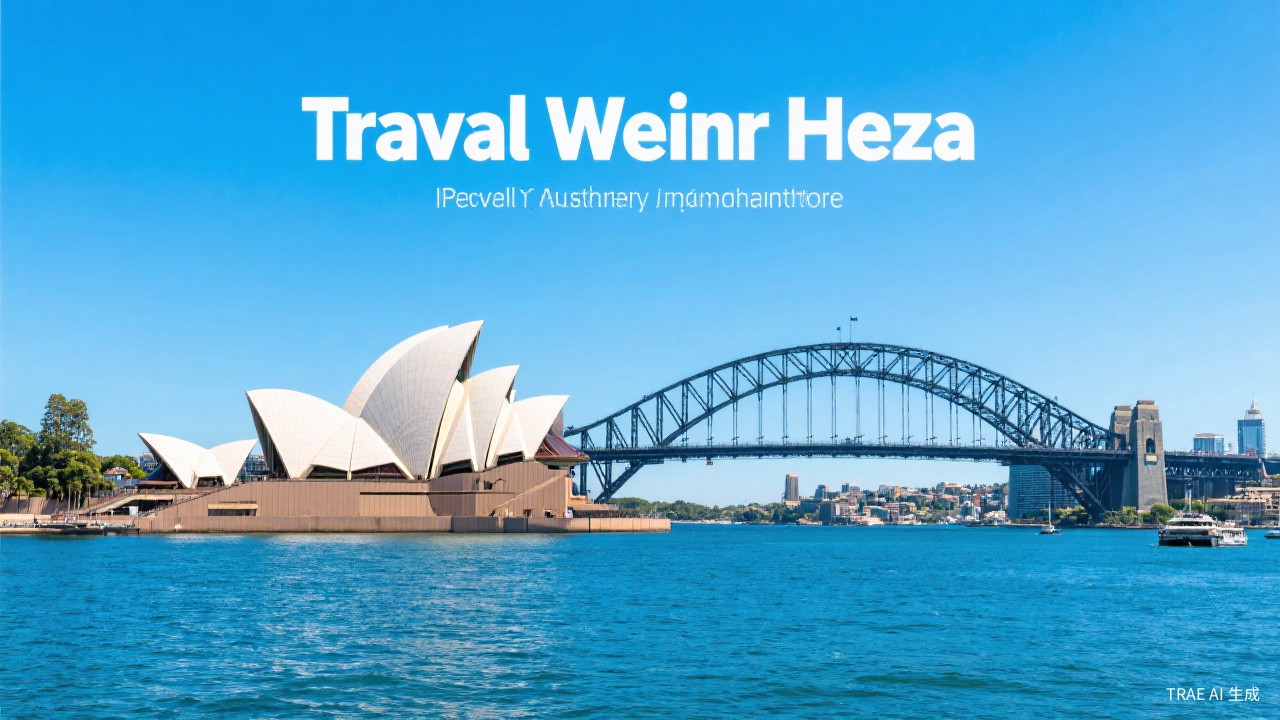
I woke up at 5 AM jet-lagged and decided to walk to the Opera House. The harbor was empty except for a group of swimmers diving off the rocks at Mrs Macquarie's Chair. One of them, a woman in her sixties, waved me over. "Come on, love, water's perfect." I had no swimsuit, no towel, just jeans and a t-shirt. I jumped anyway. That sunrise swim remains my purest memory of Australia.
Sydney is Australia's showpiece—a city where a beautiful natural harbor meets world-class architecture, where urban sophistication coexists with laid-back beach culture, and where you can start your day surfing at Bondi and end it at the opera. The city's setting is unrivaled: the harbor contains more than 70 beaches, countless coves, and islands, all overlooked by the iconic white sails of the Sydney Opera House.
What defines Sydney special is its outdoor lifestyle. The climate encourages life outside—harborfront picnics, coastal walks, beach barbecues, and alfresco dining. The city has more than 100 beaches, from the famous curve of Bondi to hidden coves accessible only by foot or boat. The Bondi to Coogee coastal walk is one of the world's great urban walks, passing six beaches and dramatic cliff scenery in just 6 kilometers.
The city's multicultural character means you can eat your way around the world without leaving town. Chinatown, Little Italy in Leichhardt, Korean restaurants in Strathfield, and Vietnamese in Cabramatta offer authentic flavors from dozens of cultures. This diversity, combined with Australia's excellent produce and wine, makes Sydney a serious food destination.
Summer Beaches vs Winter
Visit during Sydney is during spring (September to November) or autumn (March to May). Temperatures are comfortable (18-25°C), crowds are manageable, and hotel rates are lower than summer. These seasons also offer clear skies and good conditions for outdoor activities.
Summer (December to February) brings hot weather (25-35°C), beach season, and peak crowds. Hotel prices are highest, especially around Christmas and New Year when the city hosts famous fireworks over the harbor. Book 6+ months ahead for this period. The Sydney Festival in January offers free and ticketed events citywide.
Winter (June to August) is mild by northern hemisphere standards (8-18°C). It's the low season for tourism, with lower hotel rates. The Vivid Sydney festival in May-June lights up the city with installations and projections. Swimming is possible year-round at beaches with ocean pools, though the water is cooler (16-18°C).
Opal Card & Ferries
Sydney Kingsford Smith Airport (SYD) is 8km from the city center. The Airport Link train connects to Central Station in 15 minutes (AUD 18.70). Taxis cost AUD 45-55 to the CBD. Uber and other rideshare apps are available and often cheaper than taxis.
Sydney's public transport includes trains, buses, light rail, and ferries. Use an Opal card (available at stations and convenience stores) for all transport. A weekly cap of AUD 50 applies for adults. The ferries are not just transport—they're a scenic way to see the harbor. The Manly ferry (30 minutes) is particularly beautiful.
The CBD is walkable, and many attractions are within walking distance. For longer distances, the train network is efficient. Buses fill gaps, though traffic can slow them. The light rail connects the CBD to inner-west neighborhoods. For beach trips, buses from the CBD to Bondi take about 30 minutes.
CBD vs Bondi vs Newtown
Sydney CBD puts you near major attractions, shopping, and restaurants. Hotels start at AUD 150-500+ per night. The Rocks offers historic character and harbor views. Darling Harbour has newer hotels and is convenient for families, with attractions like the aquarium and wildlife park nearby.
Bondi Beach is ideal for beach lovers, with surfside accommodations from AUD 100-300/night. It's 30 minutes from the CBD but offers the full beach lifestyle experience. Manly on the north side has a relaxed surf town vibe with more affordable accommodations (AUD 80-200).
Surry Hills and Newtown are inner-west neighborhoods with hip cafes, bars, and boutique hotels. They're less touristy and more local, with good transport connections. Potts Point offers stylish accommodations and excellent restaurants at prices lower than the CBD. For budget travelers, hostels throughout the city cost AUD 30-60/night.
Harbour, Opera & Coastal Walks
Sydney Opera House
This UNESCO World Heritage site is Australia's most recognizable building. Take a guided tour (AUD 47) to see the concert halls and learn about its controversial construction. Better yet, attend a performance—tickets start around AUD 50. The forecourt offers free events and harbor views. The Opera Bar is perfect for sunset drinks.
Tickets: Tours AUD 47 | Hours: Tours 9 AM-5 PM
Sydney Harbour Bridge
You can walk across for free on the pedestrian walkway (eastern side). For a thrill, the BridgeClimb (AUD 174-388) takes you to the summit with 360-degree views. The Pylon Lookout (AUD 21) offers similar views at lower cost. The bridge opened in 1932 and remains an engineering marvel.
Entry: Walk free, climb AUD 174+ | Times: Always open
Bondi Beach
Australia's most famous beach stretches 1km of golden sand. The surf is good for beginners to intermediates—lessons cost AUD 80-100. The Bondi to Coogee coastal walk (6km) passes dramatic cliffs and five more beaches. Arrive early in summer to claim a spot on the sand.
Entry: Free | Hours: Always open
Taronga Zoo
This zoo on the harbor has native Australian animals plus international species. Take the ferry from Circular Quay (30 minutes) for a scenic approach. The cable car from the ferry wharf offers harbor views. Allow 4+ hours. A combined ferry/zoo ticket costs AUD 55.
Cost: AUD 49 | Times: 9:30 AM-5 PM
The Rocks
This historic area contains Sydney's oldest buildings, now housing museums, galleries, pubs, and restaurants. The Rocks Markets on weekends offer crafts and food. The Museum of Contemporary Art is free. Ghost tours explore the area's convict past. It's atmospheric at night when the crowds thin.
Cost: Free to explore | Hours: Always open (shops vary)
Royal Botanic Garden
These 30 hectares of gardens sit beside the Opera House with harbor views. It's free to explore and perfect for picnics. The Aboriginal Heritage Tour (AUD 45) explains native plants and their uses. Flying foxes (large bats) roost in the trees—a Sydney quirk.
Tickets: Free | Hours: 7 AM-sunset
Brunch & Asian Food
Sydney Rock Oysters — These small, creamy oysters are native to New South Wales. Try them at Sydney Fish Market or any good seafood restaurant. They're sweeter and more mineral than Pacific oysters. A dozen costs AUD 30-45.
Barramundi — This native fish is served at restaurants throughout the city. It has a mild, buttery flavor and firm texture. Often grilled or pan-fried. A main course costs AUD 35-50.
Meat Pie — Australia's iconic snack—pastry filled with minced meat and gravy. Harry's Cafe de Wheels in Woolloomooloo has been serving them since 1945. Try the "Tiger" pie with mashed potatoes and peas. AUD 8-12.
Asian Food — Sydney's multicultural population means excellent Asian food. Chinatown has authentic dumplings and noodles. Cabramatta offers Vietnamese. Strathfield has Korean BBQ. A meal costs AUD 15-30.
Brunch — Sydney takes brunch seriously. Bills in Surry Hills (famous for ricotta hotcakes), The Grounds in Alexandria, and countless cafes offer excellent coffee and creative dishes. Budget AUD 25-40 for a full brunch.
Sun & Wildlife
• Get an Opal card immediately. It works on all public transport and offers cheaper fares than buying single tickets.
• Swim between the flags at beaches. Lifeguards patrol flagged areas, and rips can be dangerous.
• Slip, slop, slap. The Australian sun is intense—use sunscreen, wear a hat, and cover up during peak hours.
• Tipping isn't expected but is appreciated for good service. 10% is standard at restaurants.
Check for ticks after bushwalking. They can carry diseases and are common in coastal areas.
Traveler's Tip
Take the ferry to Manly. It is the cheapest harbor cruise you will find, and the views of the Opera House and Harbour Bridge are unbeatable.