The Real Vienna
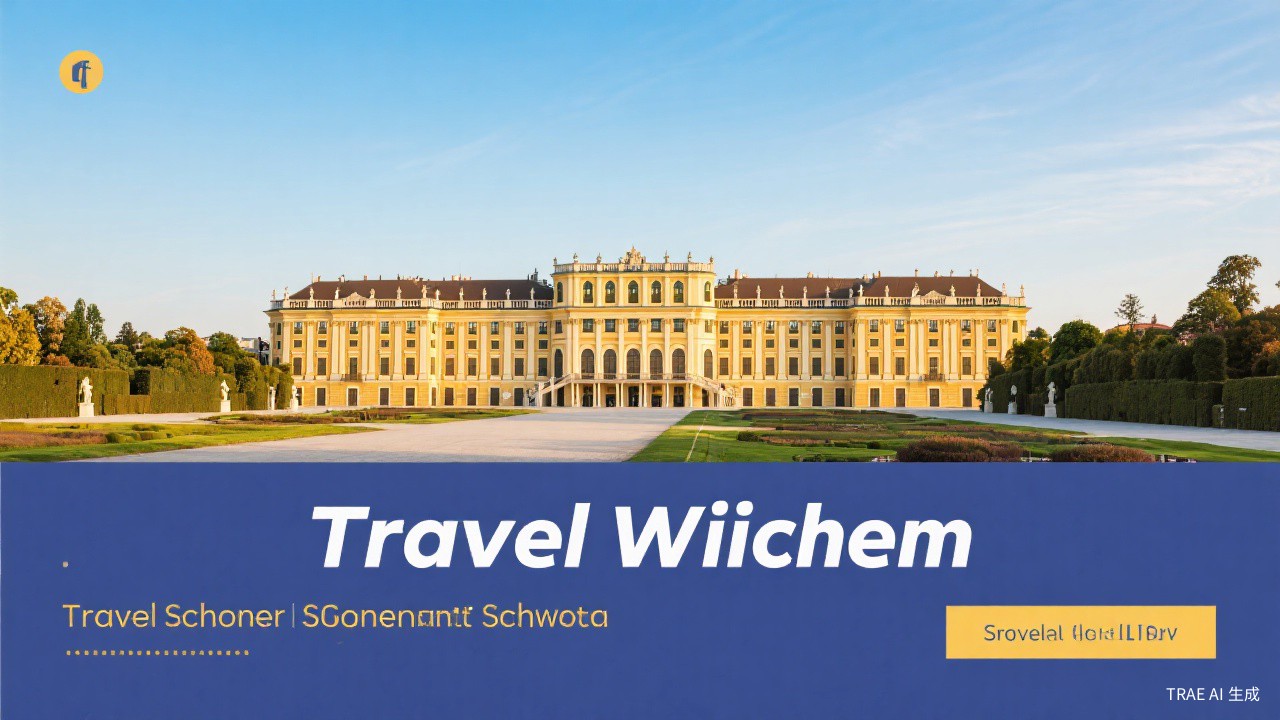
Vienna was the capital of the Habsburg Empire for over 600 years, and the city's imperial grandeur is visible in every neighborhood. The Hofburg Palace complex was the winter residence of the emperors and contains the Sisi Museum, the Imperial Apartments, and the Silver Collection. Schonbrunn Palace, the summer residence, has 1,441 rooms and gardens that stretch to the horizon. The Ringstrasse, a circular boulevard built on the site of the old city walls, is lined with grand public buildings: the State Opera, the Parliament, the City Hall, and the Kunsthistorisches Museum.
Vienna's cultural life is extraordinary. The city has more classical music performances per capita than any other—the Vienna Philharmonic, the State Opera, and the Musikverein (home of the New Year's Concert) are all here. The coffee house culture, recognized by UNESCO, dates to the 17th century—Cafe Central, where Trotsky and Freud once sat, and Cafe Sacher, which invented the Sacher torte, are still operating. The Naschmarkt, Vienna's largest outdoor market, has food stalls from around the world.
Three to four days is ideal. Day one: Hofburg Palace and the city center. Day two: Schonbrunn Palace. Day three: the Kunsthistorisches Museum and the MuseumsQuartier. Day four: the Belvedere Palace or a day trip to the Wachau Valley. Vienna is flat and very walkable. The U-Bahn and tram system is efficient.
Best Time to Go
April to June and September to October offer the best weather, with temperatures from 15 to 25 degrees. Spring brings the Easter markets and blooming gardens. September has pleasant weather and the start of the concert season. The Vienna Film Festival runs July and August with free outdoor screenings.
December is magical—the Christmas markets at Rathausplatz and Schonbrunn sell mulled wine, gingerbread, and ornaments. The ball season (January to March) is a Viennese tradition. Summer (July to August) can be hot (25 to 35 degrees) but the city's parks and outdoor cafes are pleasant. Many opera and concert venues close in July and August.
Getting There and Around
Vienna International Airport (VIE) is 18 kilometers southeast. The City Airport Train (CAT) connects to Wien Mitte in 16 minutes for €12. The S-Bahn S7 takes 25 minutes for €4.40. Taxis cost about €40 to €45. The train from Budapest takes 2.5 hours, from Prague 4 hours, and from Munich 4 hours.
Vienna's U-Bahn has five lines. A single ticket is €2.40, and a 24-hour pass is €8. The tram network is extensive and scenic—tram 1 and 2 follow the Ringstrasse. The Vienna City Card (from €17 for 24 hours) includes transit and discounts at attractions. Vienna is very walkable and mostly flat.
Where to Stay
The Innere Stadt (1st District) is the most convenient base. Hotels start at €100 to €400 per night. You are within walking distance of the Hofburg, St. Stephen's Cathedral, and the Opera. The area around Graben and Kohlmarkt is the most elegant.
The MuseumsQuartier and Neubau (7th District) are trendy and cultural. Hotels start at €70 to €250 per night. The area has the MuseumsQuartier, Spittelberg's restaurants, and good public transport. Mariahilf (6th District) is more residential with rooms from €60 to €180 per night.
Leopoldstadt (2nd District), across the Danube Canal, has become popular in recent years. Hotels start at €60 to €200 per night. The area has the Karmelitermarkt, the Prater amusement park, and easy access to the center. For budget travelers, hostels start at €20 per night.
Must-See Attractions
Schonbrunn Palace
The summer residence of the Habsburg emperors, with 1,441 rooms. The Grand Tour visits 22 rooms including the Hall of Mirrors (where Mozart performed at age six), the Million Room (with rosewood paneling), and Maria Theresa's bedroom. The gardens contain the Gloriette, a palm house, a maze, and the oldest zoo in the world. Allow a full day for the palace and gardens.
Tickets: Grand Tour €22; gardens €8 | Hours: 8:30 AM to 5:30 PM, April to October; 8:30 AM to 5 PM, November to March
Kunsthistorisches Museum
One of the world's finest art museums, built to house the Habsburg art collection. The highlights include Vermeer's The Artist's Studio, Pieter Bruegel the Elder's Tower of Babel and Hunters in the Snow, Caravaggio's Madonna of the Rosary, and the Cellini Salt Cellar. The building itself, with its marble staircase and dome, is magnificent.
Cost: €16 | Times: 10 AM to 6 PM, Tuesday to Sunday
Hofburg Palace
The winter residence of the Habsburgs for over 600 years. The complex contains the Imperial Apartments (where Franz Joseph and Sisi lived), the Sisi Museum (dedicated to the empress), and the Silver Collection (tableware used for state banquets). The Spanish Riding School, where Lipizzaner stallions perform, is also part of the Hofburg.
Tickets: Imperial rooms €16; Sisi Museum €16 combined | Open: 9 AM to 5:30 PM, daily
St. Stephen's Cathedral (Stephansdom)
Vienna's most iconic building, with a Gothic south tower 136 meters tall (the highest point in the city center) and a colorful tiled roof. The interior contains the Wiener Neustadt altarpiece, the tomb of Emperor Frederick III, and the catacombs. The north tower (68 meters) offers views and can be climbed. The cathedral has been the site of many Habsburg weddings and funerals.
Tickets: South tower €6; catacombs €7 | Open: 6 AM to 10 PM; towers 9 AM to 5:30 PM
Naschmarkt
Vienna's largest and most famous market, stretching 1.5 kilometers along the Wienzeile. The market has existed since the 16th century and today sells fresh produce, spices, cheese, and prepared foods from around the world. Saturday is the busiest day with a flea market at the southern end. The market is also lined with restaurants serving everything from Viennese to Vietnamese food.
Cost: Free to browse | Open: 6 AM to 6 PM Monday to Saturday; flea market Saturday mornings
Food and Drink
Wiener Schnitzel at Figlmuller — A thin, breaded veal cutlet fried to golden crispness. Figlmuller, operating since 1905, is Vienna's most famous schnitzel restaurant. The schnitzel is larger than the plate and hangs over the edges. It comes with a potato salad or cucumber salad.
Sachertorte at Cafe Sacher — A dense chocolate cake with a thin layer of apricot jam, invented by Franz Sacher in 1832 for Prince Metternich. Cafe Sacher, next to the State Opera, serves the original recipe with unsweetened whipped cream. The cafe is elegant and the torte is rich—one slice is enough for two.
Tafelspitz at Plachutta — Boiled beef fillet served with horseradish, apple-horseradish, and roast potatoes. This was Emperor Franz Joseph's favorite dish. Plachutta, a Viennese institution, serves it with all the traditional accompaniments. The beef is tender and the broth is served first as a soup.
Viennese Coffee at Cafe Central — Order a Melange (Viennese cappuccino) at Cafe Central, open since 1876. The cafe was a meeting place for intellectuals—Trotsky, Freud, and Zweig all frequented it. The interior has marble columns, chandeliers, and a pastry display that includes strudel and Sachertorte. A Melange costs about €5.
Practical Tips
• Austria uses the euro. Vienna is moderately expensive—budget €50 to €80 per day.
• The Vienna Pass includes transit and museum entries. Calculate whether it suits your plans.
Book opera and concert tickets in advance, especially for the Vienna State Opera.
• Coffee houses are an institution. Take time to sit, read, and enjoy—no one will rush you.
• Many attractions are closed on Mondays. Plan museum visits for Tuesday through Sunday.
Traveler's Tip
Buy a standing-room ticket (€4) for the Vienna State Opera. The standing room is at the very top of the auditorium, but the acoustics are excellent and the view is surprisingly good. Tickets go on sale 80 minutes before the performance. Arrive an hour early to secure a spot at the rail.