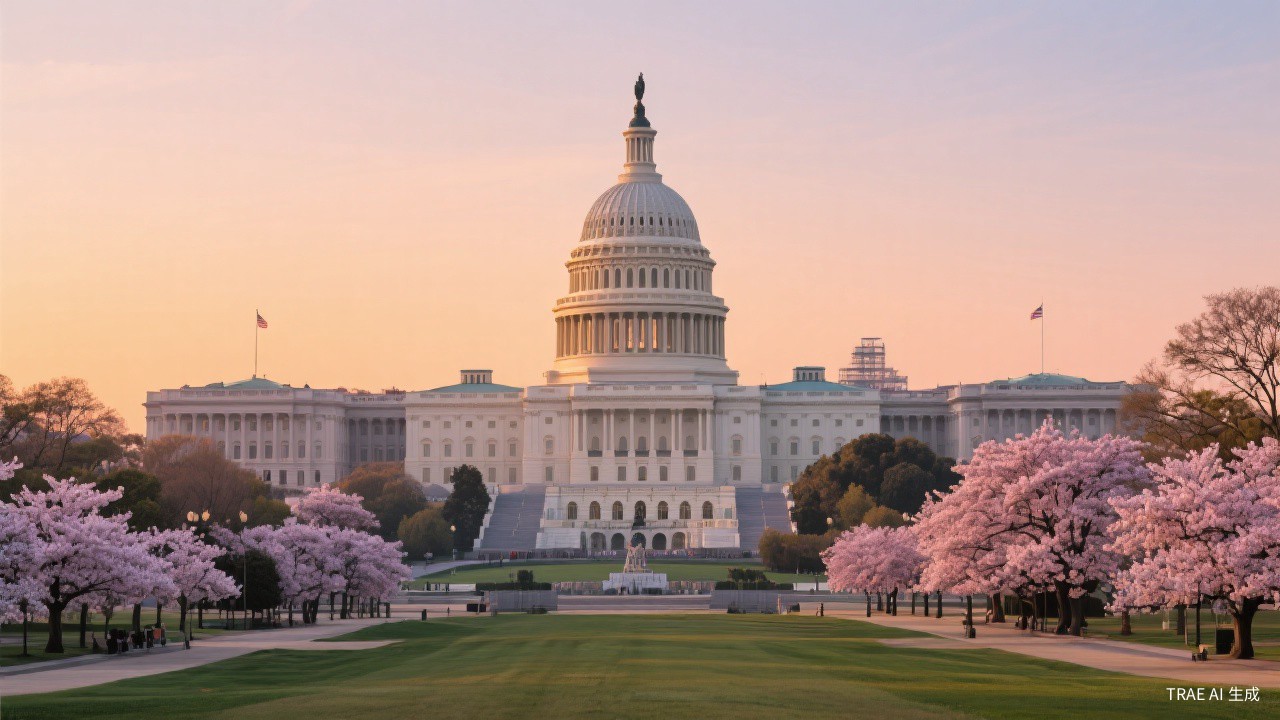
First Impressions of Washington Dc
Washington, DC is the capital of the United States and one of the most museum-dense cities in the world. The National Mall, a 3-kilometer park stretching from the Capitol Building to the Lincoln Memorial, is flanked by the Smithsonian Institution's museums—all free to enter. The Mall itself is an open-air monument to American history, with the Washington Monument, the World War II Memorial, the Vietnam Veterans Memorial, the Korean War Veterans Memorial, and the Martin Luther King Jr. Memorial all within walking distance.
The Smithsonian network includes the National Air and Space Museum (the most visited museum in the US), the National Museum of Natural History, the National Museum of American History, and the National Museum of African American History and Culture. The National Gallery of Art, also free, has one of the finest art collections in the world.
Beyond the Mall, Washington has distinct neighborhoods worth exploring. Georgetown, with its 18th-century row houses and cobblestone streets, sits along the Potomac River. The U Street Corridor has a rich African American cultural history and excellent jazz clubs. The waterfront areas of the Wharf and Navy Yard have been redeveloped with restaurants, parks, and entertainment venues.
Best Time to Go
Spring (March to May) is the best time to visit. The National Cherry Blossom Festival, typically in late March to mid-April, draws visitors from around the world to see the 3,000 cherry trees around the Tidal Basin in bloom. Temperatures start at 10-25°C.
Fall (September to November) offers mild temperatures (12-22°C), fall foliage along the Potomac, and fewer crowds after the summer.
Summer (June to August) is hot and humid (28-35°C), with occasional thunderstorms. The museums are air-conditioned and free, making summer a good time for indoor exploration. Winter (December to February) is cold (0-8°C) but the museums are uncrowded and the holiday decorations are festive.
Getting There and Around
Three airports serve Washington: Ronald Reagan National Airport (DCA), 5 miles from downtown, with Metro access; Washington Dulles International Airport (IAD), 26 miles west; and Baltimore-Washington International (BWI), 30 miles north. DCA is the most convenient for downtown visitors.
The Washington Metro (WMATA) is the primary public transit system. The Silver, Blue, and Orange lines serve downtown and connect to Virginia. A single ride costs $2.25-6 depending on distance.
The DC Circulator bus costs $1 per ride and connects popular areas including Georgetown, Union Station, and the National Mall. Walking is the best way to explore the Mall and downtown.
Where to Stay
Downtown and Penn Quarter put you within walking distance of the National Mall, museums, and restaurants. Hotels start at $150-400 per night.
Georgetown has boutique hotels ($150-350 per night) in a historic setting along the Potomac. It is walkable but not directly connected to the Metro.
Arlington (Crystal City, Rosslyn), across the river in Virginia, has hotels at lower prices ($100-250 per night) with easy Metro access to downtown. For budget travelers, hostels in the downtown area charge $30-50 per bed.
Must-See Attractions
National Mall and Monuments
The 3-kilometer National Mall contains the core of Washington’s monument Scenery. The Washington Monument (555-foot obelisk) requires timed-entry tickets (free). The Lincoln Memorial, at the west end, has the famous seated Lincoln statue and views of the Reflecting Pool. The Vietnam Veterans Memorial, with its black granite wall inscribed with 58,000 names, stands out as moving monuments in the city. Allow a full day.
Entry: Free | Times: Monuments open 24 hours, rangers 9:30 AM-10 PM
Smithsonian Museums
The Smithsonian Institution operates 17 museums in Washington, all free to enter. The most visited are the National Air and Space Museum, the National Museum of Natural History, and the National Museum of American History. The National Museum of African American History and Culture requires timed-entry passes (free but book well in advance). Allow 2-3 hours per museum.
Cost: Free | Open: 10 AM-5:30 PM (most museums, closed Dec 25)
Arlington National Cemetery
This 624-acre cemetery across the Potomac River is the final resting place for over 400,000 military service members, including President John F. Kennedy. The Tomb of the Unknown Soldier, guarded 24/7 by the 3rd Infantry Regiment, has a changing of the ceremony every hour (every half hour in summer). Accessible by Metro (Arlington Cemetery station, Blue Line).
Tickets: Free | Open: 8 AM-5 PM (October-March), 8 AM-7 PM (April-September)
United States Capitol
The seat of the United States Congress is open for free guided tours that include the Rotunda, the Crypt, and the National Statuary Hall. Tours last about 1 hour and require advance reservations through your senator or representative’s office. The Capitol Visitor Center has exhibits on the legislative process.
Entry: Free (reservation required) | Hours: Tours 8:30 AM-4:30 PM Mon-Sat
Georgetown
This historic neighborhood along the Potomac River was established in 1751, predating the federal district. Its cobblestone streets and 18th-century row houses make it the most picturesque neighborhood in Washington. The C&O Canal towpath, a flat path along the old Chesapeake and Ohio Canal, is excellent for walking and cycling. M Street and Wisconsin Avenue have shops, restaurants, and bars.
Entry: Free | Times: Always open (shops 10 AM-9 PM)
Food and Drink
Half-Smoke — A half-smoke is a larger, spicier sausage than a standard hot dog, usually made with half beef and half pork. It is grilled and served on a bun with mustard, onions, and chili sauce. Ben’s Chili Bowl on U Street has been serving them since 1958 and is a DC institution. A half-smoke costs $7-9.
Ethiopian Food — Washington has the largest Ethiopian community outside Ethiopia, and the U Street corridor has the highest concentration of Ethiopian restaurants in the country. Injera (spongy flatbread) is used to scoop up various stews and vegetables. Dukem and Etete are well-regarded. A meal costs $15-25 per person.
Museum Cafeterias — The Smithsonian museums have cafeterias that are better than expected. The National Museum of the American Indian’s Mitsitam Cafe serves food from different Native American regions. Budget $12-18 for lunch.
Georgetown Cupcake — This bakery on M Street in Georgetown was one of the first cupcake shops to gain national attention. Flavors rotate daily. A cupcake costs $3.50-4. The line can be long but moves quickly.
Practical Tips
• Reserve Smithsonian museum passes online. The National Museum of African American History and Culture and the Washington Monument require timed-entry passes that book out weeks ahead.
• Wear comfortable walking shoes. The National Mall alone is 3 kilometers.
• Take the Metro. Parking near the Mall is expensive and limited.
Visit monuments at night. The Lincoln Memorial, Washington Monument, and World War II Memorial are illuminated after dark and are far less crowded.
Eat on U Street or in Georgetown instead of near the Mall. The restaurants there are better and less overpriced.
Traveler's Tip
Start at the Lincoln Memorial at sunrise. The walk from the memorial down the Reflecting Pool toward the Washington Monument, with the morning light and no crowds, stands out as powerful experiences in Washington.