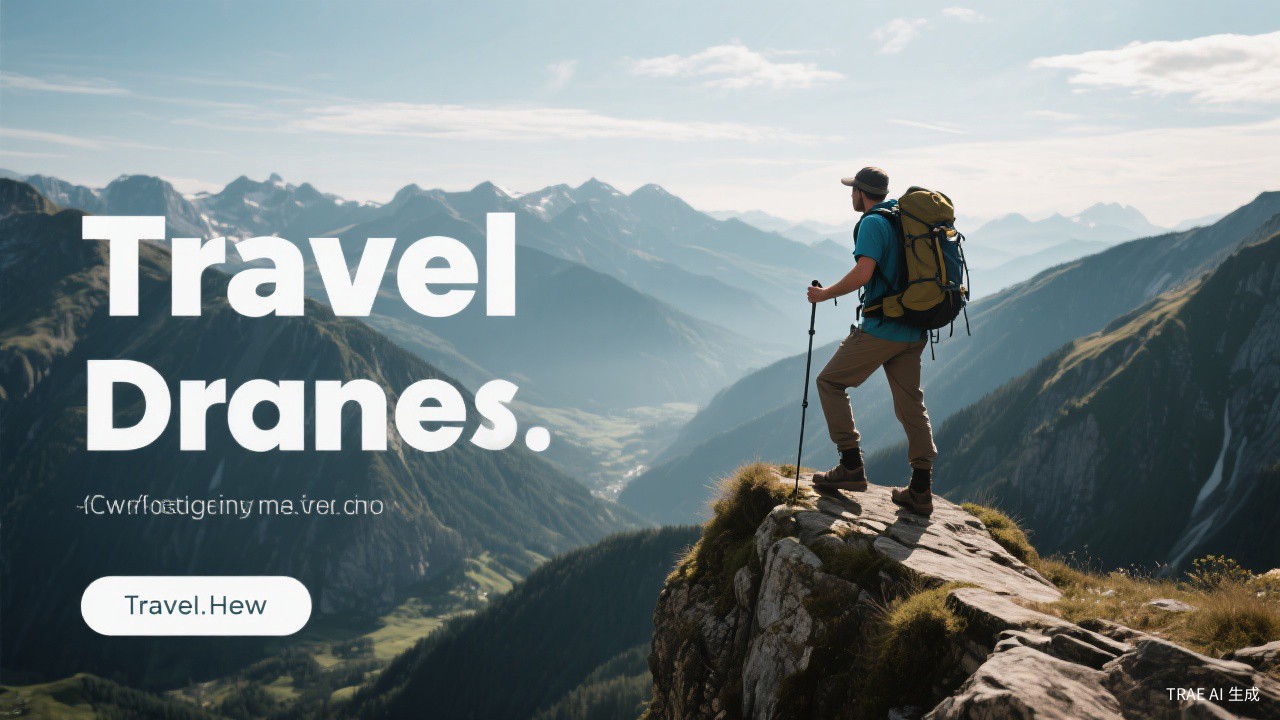
Adventure travel opens doors to experiences that ordinary tourism simply cannot match. When you step outside your comfort zone and into the wild, you discover not just new places but new aspects of yourself. The rush of climbing a mountain peak, the silence of a remote wilderness, or the challenge of navigating unfamiliar terrain creates memories that last a lifetime.
Many travelers hesitate to pursue adventure because they believe it requires extreme fitness, expensive gear, or years of experience. The truth is that adventure exists on every level, from day hikes to multi-week expeditions. What matters most is matching the challenge to your current abilities while pushing gently beyond them.
This guide covers the practical aspects of adventure travel, from choosing the right destination to packing the essential gear. You will find specific recommendations based on real experience, not generic advice that applies to no one in particular.
Embracing Adventure
Adventure travel changes how you see the world and yourself. When you carry everything you need on your back or get around a foreign Scenery without GPS, you develop self-reliance and problem-solving skills that transfer to everyday life. The confidence gained from completing a challenging trek or summiting a peak stays with you long after you return home.
Beyond personal growth, adventure travel often takes you to places that mass tourism has not reached. Remote villages, pristine wilderness areas, and hidden natural wonders remain accessible primarily to those willing to put in the effort. These places offer authentic cultural encounters and unspoiled terrain that package tourists never see.
The physical and mental health benefits of adventure travel are well documented. Time spent in nature reduces stress, improves mood, and boosts creativity. Physical challenges build fitness while mental challenges sharpen focus and resilience. Adventure travel combines all these benefits into experiences that feel more like living than vacationing.
Choosing Your Adventure Destination
Start by honestly assessing your fitness level, experience, and comfort zone. A beginner should not attempt a technical mountain climb or a remote jungle trek without proper preparation. Look for destinations that offer adventure at your level with room to grow. National parks, established trekking routes, and adventure tourism hubs like Queenstown, New Zealand or Interlaken, Switzerland provide infrastructure and support for newcomers.
Research the best season for your chosen activity. Attempting a high-altitude trek during monsoon season or a desert crossing in summer heat is not adventure—it is poor planning. Weather patterns vary by region and altitude, so check historical data rather than assuming general patterns apply.
Consider the logistics of getting there and back. Remote adventures often require multiple connections, permits, and local guides. Build extra time into your itinerary for delays and rest days. The trip to an adventure destination is part of the experience, not an obstacle to overcome.
Essential Gear for Adventure Travel
Quality gear can mean the difference between a challenging experience and a dangerous one. Start with the basics: a well-fitted backpack, broken-in hiking boots, and layered clothing appropriate for your destination. Do not skimp on footwear—blisters and twisted ankles end more adventures than any other factor.
Navigation tools remain essential even in the age of smartphones. A physical map and compass do not run out of battery or lose signal. Learn to use them before you need them. GPS devices and satellite communicators like Garmin inReach provide backup navigation and emergency communication in areas without cell coverage.
Safety gear should match your activity and destination. A basic first aid kit, headlamp, emergency shelter, and water purification belong on every adventure. For higher-risk activities, add a PLB (Personal Locator Beacon), climbing gear, or specialized equipment as appropriate. Rent expensive or specialized gear before buying to ensure it suits your needs.
Physical Preparation
Begin training at least 8-12 weeks before a significant adventure. Focus on cardiovascular fitness through hiking, running, or cycling. Add strength training for your core and legs—these muscle groups bear the brunt of most adventure activities. Practice with a weighted pack to simulate actual conditions.
If your adventure involves altitude, understand how it affects your body. Acclimatization takes time and cannot be rushed. Plan rest days at elevation and know the symptoms of altitude sickness. Descending remains the best treatment for serious altitude issues.
Mental preparation matters as much as physical. Practice problem-solving under stress, learn to manage fear, and develop strategies for when things go wrong. Adventure travel rarely goes exactly according to plan—flexibility and resilience determine success more than fitness alone.
Safety Considerations
Always file a trip plan with someone responsible before heading into remote areas. Include your route, expected return time, and emergency contacts. Check in when you return. This simple step has saved countless lives when adventures go wrong.
Know the specific risks of your destination and activity. Wildlife encounters, weather changes, river crossings, and terrain hazards vary by location. Research recent incidents in your chosen area and learn from others' mistakes. Local guide services and park rangers can provide current conditions and warnings.
Carry appropriate insurance that covers adventure activities. Standard travel insurance often excludes high-risk pursuits. Read the fine print and ensure your policy covers medical evacuation, which can cost $50,000-100,000 in remote locations.
Adventure Prep
Start small and build progressively. A day hike leads to overnight trips, which lead to multi-day treks. Each adventure teaches lessons for the next. Do not rush into high-risk activities before you have the experience to manage them safely.
Respect the places you visit. Follow Leave No Trace principles, support local communities, and travel with humility. Adventure travel is a privilege, not a right—treat the wilderness and local cultures with the respect they deserve.
Document your adventures through journals, photos, or videos. These records help you learn from each experience and share your passion with others. But remember to put down the camera sometimes and simply be present in the moment.
Traveler's Tip
Book your most ambitious activity for the first day of your trip. If weather cancels it, you will have time to reschedule. Waiting until the last day means accepting whatever conditions you get.