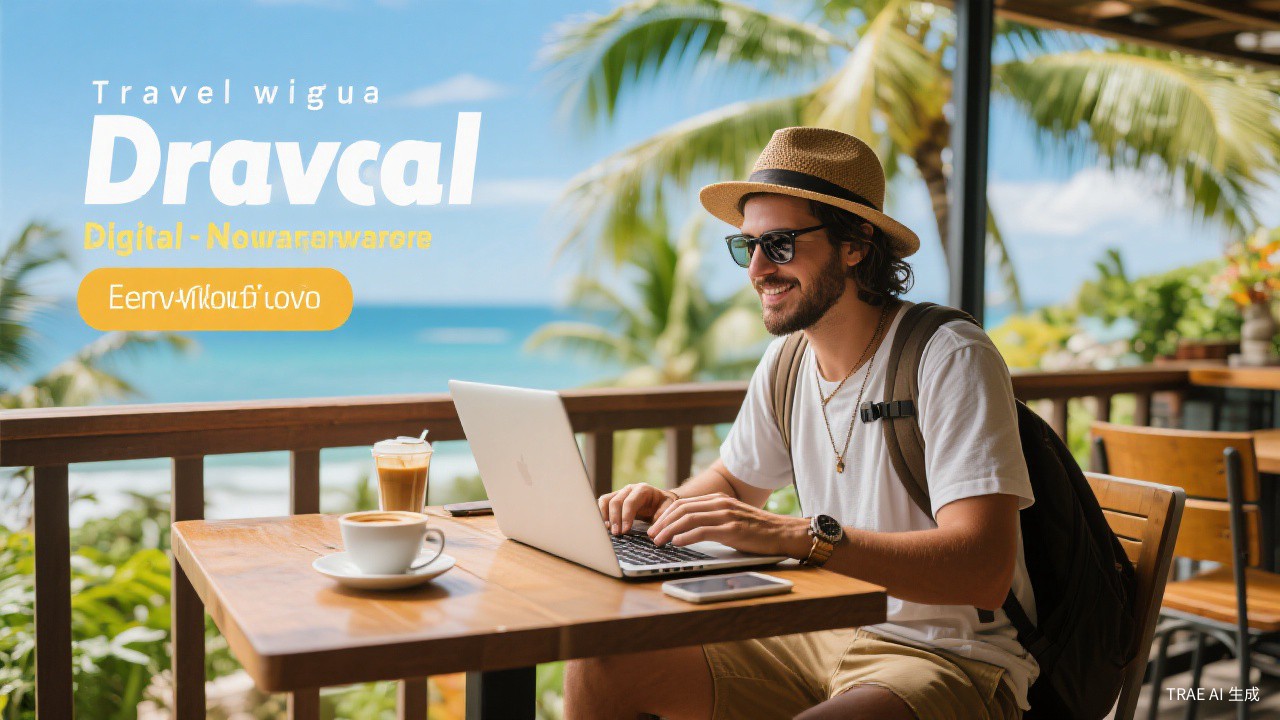
My first month as a digital nomad in Chiang Mai, I treated it like a vacation with a laptop. I worked from cafes, explored temples, and burned out completely by week three. Then I met a developer who had been nomading for five years. "You need routines," he told me. "Not to restrict you—to free you." I started working mornings, exploring afternoons, and resting evenings. Productivity soared. So did my happiness.
The digital nomad lifestyle has moved from fringe to mainstream. What was once a niche pursuit for tech workers and freelancers now attracts professionals across industries. The combination of remote work acceptance, improved global connectivity, and a desire for life experiences over material possessions has created a new way of living and working.
That said, the Instagram version of digital nomad life—laptop on a beach, cocktail nearby—bears little resemblance to reality. Working while traveling requires discipline, planning, and realistic expectations. The freedom is real, but so are the challenges of time zones, unreliable internet, and the absence of traditional support structures.
This guide covers the practical aspects of building a sustainable nomadic lifestyle, from choosing destinations to maintaining productivity and relationships on the road.
Working from Anywhere
Location independence offers genuine freedom. You can spend winter in Southeast Asia and summer in Europe. You can live near family for a month, then explore a new country. This flexibility transforms work from a constraint into an enabler of life experiences.
Cost of living arbitrage makes financial sense. Earning dollars or euros while spending baht or pesos stretches your income significantly. A software engineer earning a San Francisco salary can live luxuriously in Chiang Mai or Lisbon. This math has driven many to pursue nomadic life.
Personal growth accelerates when you regularly adapt to new environments. Problem-solving, cultural intelligence, and self-reliance develop quickly when you get around unfamiliar systems monthly. These skills transfer to work and life generally.
Essential Skills and Preparation
Before hitting the road, assess your work's location requirements. Client calls, team meetings, and deadlines must align with your travel plans. Some roles require consistent availability during specific hours. Understand these constraints before booking flights.
Build a financial cushion. Three to six months of expenses provides security when clients are late paying or work slows. Nomadic life has unexpected costs—emergency flights, equipment replacement, medical issues. Savings prevent these from becoming crises.
Develop systems for your work. Cloud storage, password managers, and reliable communication tools become essential when you cannot pop into a colleague's office. Test everything before departure. The middle of a project deadline is not the time to debug your setup.
Choosing Your Destinations
Internet reliability is non-negotiable. Research actual speeds, not advertised speeds. Nomad List (nomadlist.com) provides crowd-sourced data on internet quality, cost of living, and nomad community size. Speeds below 20 Mbps will frustrate video calls and large file transfers.
Time zone alignment matters for client-facing work. If your clients are in New York, living in Bali means taking calls at odd hours. Southeast Asia is 12 hours ahead of Eastern Time—manageable but demanding. Europe or Latin America offers easier alignment with North American schedules.
Community prevents isolation. Established nomad hubs like Chiang Mai, Lisbon, Medellin, and Bali offer coworking spaces, social events, and support networks. Starting in these places eases the transition. You can explore less-traveled destinations after finding your rhythm.
Visa and Legal Considerations
Tourist visas are not designed for working, even remotely. Enforcement varies, but technically, working on a tourist visa violates most countries' terms. Several countries now offer digital nomad visas that allow extended stays for remote workers. Estonia, Portugal, Costa Rica, and Indonesia have popular programs.
Tax obligations follow you. The United States taxes citizens regardless of residence. Other countries have different rules. Consult a tax professional before departure. The Foreign Earned Income Exclusion can exclude over $100,000 of income for qualifying Americans abroad.
Health insurance requires special attention. Many domestic plans do not cover international care. Consider international health insurance or travel medical insurance with extended coverage. SafetyWing offers nomad-specific insurance at around $45 per four weeks.
Productivity on the Road
Establish routines despite changing locations. Start work at the same time each day. Create rituals that signal "work mode"—coffee at a particular cafe, a walk before logging in. These anchors help your brain transition into productivity.
Coworking spaces provide structure and community. A dedicated workspace separates work from leisure. Many spaces offer day passes or weekly rates for flexibility. The social connections formed in coworking spaces often lead to friendships and professional opportunities.
Time blocking becomes essential when distractions abound. Schedule focused work sessions, meetings, and exploration time. Without the structure of an office, days can blur into unproductive wandering. A calendar is your friend.
Managing Relationships Remotely
Personal relationships require intentional maintenance. Schedule regular video calls with family and close friends. Time zone differences complicate this, but the effort matters. Many nomads report that distance actually improves some relationships by making communication more intentional.
Professional networks need attention too. Remote work can lead to professional isolation. Attend industry events, join online communities, and maintain relationships with colleagues. Your network remains your most valuable career asset.
Romantic relationships face particular challenges. Some couples travel together successfully. Others maintain long-distance relationships with regular visits. Be honest about what you want and whether your lifestyle aligns with relationship goals.
Managing Time Zones and Work
Time zone management becomes critical when clients or teams are in different locations. A nomad in Bali working with US clients faces a 12-13 hour difference. This might mean working late nights or early mornings. Some nomads choose destinations aligned with their clients' time zones to maintain normal working hours.
Tools like World Time Buddy and time zone converters help schedule meetings across multiple zones. Always confirm meeting times with time zone specified to avoid confusion. Many calendar apps automatically adjust for time zones, but double-checking prevents missed meetings.
Consider your own rhythm. Some people adapt easily to shifted schedules; others struggle. Know yourself before committing to a location that requires significant schedule adjustment. Your health and work quality both suffer if you cannot maintain sustainable working hours.
Building a Nomad Community
Loneliness is a real challenge for digital nomads. Building community takes intentional effort. Coworking spaces provide natural opportunities for connection. Many host events, workshops, and social gatherings. Regular attendance at the same space helps you become a familiar face.
Online communities supplement in-person connections. Facebook groups, Discord servers, and Slack communities connect nomads worldwide. These groups share tips, organize meetups, and provide support during challenging times. The Nomad List community is particularly active.
Consider nomad hubs for your first destinations. Places like Chiang Mai, Lisbon, and Bali have established nomad communities. The infrastructure and social connections ease the transition. Once you have your nomad legs, explore less-traveled destinations.
Nomad Life Tips
Start with a test run. Spend one month in a nomad hub before committing to the lifestyle. You will learn quickly whether the reality matches your expectations.
Build systems before you need them. Automated bill payments, reliable cloud backup, and emergency contacts save stress when problems arise. They will arise.
Remember that nomadic life is still life. The same challenges, joys, and routines exist on the road as at home—just with better views. Approach it with realistic expectations and it can be meaningful.
Traveler's Tip
Test your remote work setup from a cafe before committing to a destination. Can you hold video calls? Is the Wi-Fi fast enough for your tools? A two-day trial saves you from signing a month-long lease in a place where you cannot work.