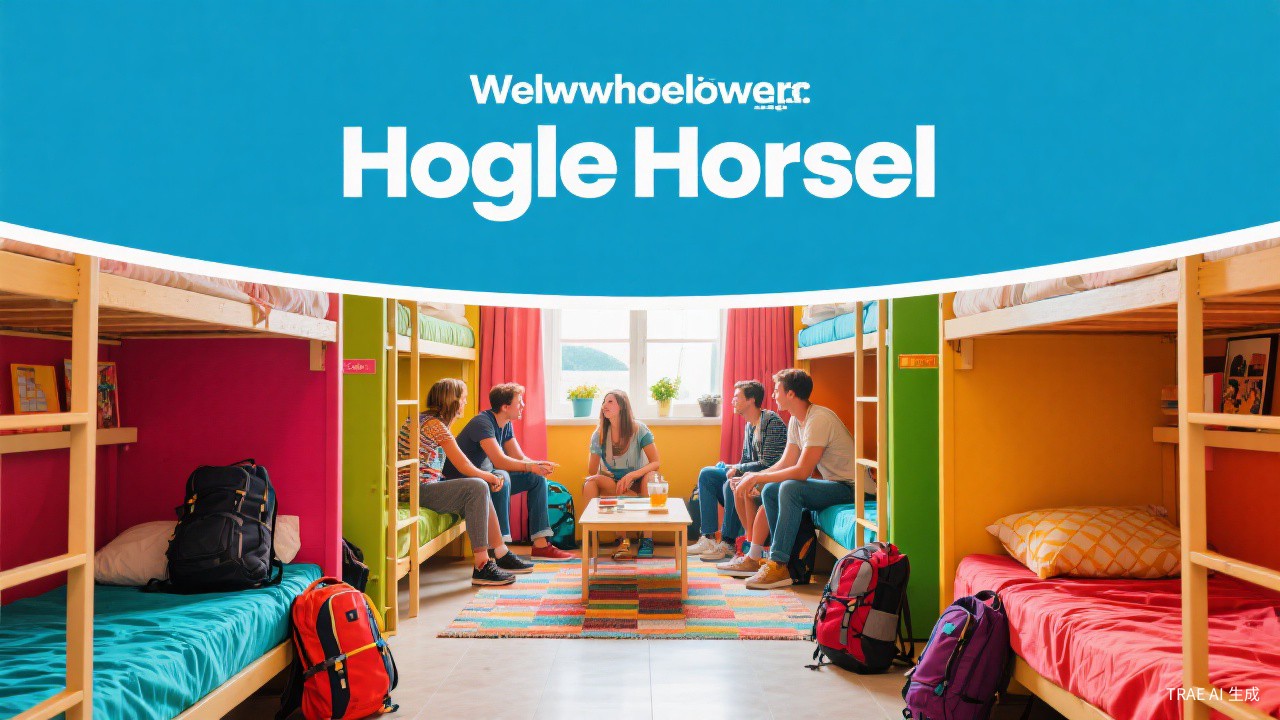
Hostels have evolved far beyond the grimy dorms and party scenes of decades past. Modern hostels start at boutique properties with hotel-quality amenities to social hubs where travelers connect and share experiences. For budget-conscious travelers, hostels offer value that hotels simply cannot match.
The stigma around hostels persists in some circles, particularly among North American travelers who associate them with youth and roughing it. In reality, hostels serve travelers of all ages and budgets. Many offer private rooms alongside dorms, making them viable for couples, families, and business travelers seeking affordable accommodation.
This guide covers everything from choosing the right hostel to navigating shared spaces and making the most of the social opportunities hostels provide.
Finding Community in Hostels
Cost is the most obvious benefit. A hostel dorm bed typically costs $15-40 per night, compared to $80-200 for a budget hotel room in the same city. Over a month of travel, this difference compounds into thousands of dollars. That money can fund more travel, better food, or memorable experiences.
Beyond price, hostels offer social connection. Solo travelers often find companions for day trips, dinner, or extended travel. The common areas and shared facilities create natural opportunities for conversation. Many lifelong friendships and even relationships begin in hostel common rooms.
Local knowledge flows freely in hostels. Staff are usually travelers themselves or locals who understand what visitors want. Other guests share recent experiences and recommendations. This real-time intelligence beats guidebooks that may be years out of date.
Types of Hostels
Party hostels cater to young travelers seeking nightlife. They often have bars, organize pub crawls, and stay noisy late into the night. Great if you want to party; terrible if you want sleep. Check reviews for noise complaints before booking.
Boutique hostels offer hotel-quality amenities at hostel prices. Expect stylish decor, comfortable common areas, and sometimes pools or rooftop terraces. These appeal to travelers who want social atmosphere without sacrificing comfort. Prices run higher than basic hostels but still below hotels.
Quiet hostels focus on rest and relaxation. They may prohibit parties, enforce quiet hours, and attract older travelers or those on extended trips. If you need good sleep, seek these out. Reviews usually mention the peaceful atmosphere.
Choosing the Right Hostel
Location affects your experience significantly. A hostel in the city center puts you near attractions but may be noisy. A hostel in a residential neighborhood offers quiet and local character but requires transit to major sights. Consider your priorities.
Reviews reveal what photos hide. Look for recent reviews mentioning cleanliness, staff helpfulness, and noise levels. Pay attention to reviews from travelers similar to you—a solo traveler's experience differs from a family's. Hostelworld and Booking.com have extensive review systems.
Amenities matter more than you might expect. Free breakfast saves money and time. A well-equipped kitchen enables cooking your own meals. Lockers secure valuables. Air conditioning matters in hot climates. Wi-Fi quality affects digital nomads. Check what is included before booking.
Dorm Etiquette
Respect sleep schedules. Some dormmates may be catching early flights or recovering from overnight journeys. Use headphones, keep lights low, and minimize noise after 10 PM and before 8 AM. The golden rule applies: let others sleep as you would like to sleep.
Manage your stuff. Keep your belongings organized and contained. Do not spread across multiple beds or the floor. Use lockers for valuables. The floor is not storage—someone will trip over your shoes in the dark.
Be considerate with alarms. If you have an early departure, set your alarm to vibrate or keep it under your pillow. Waking an entire dorm at 5 AM for your flight is inconsiderate. Prepare the night before so you can leave quietly.
Private Rooms in Hostels
Many hostels offer private rooms at prices below equivalent hotels. These provide privacy while maintaining access to hostel amenities and social spaces. For couples or those needing rest, private rooms offer the best of both worlds.
Private rooms vary in quality. Some are basic with shared bathrooms; others have en-suite facilities and hotel-quality furnishings. Check room details carefully. A private room with shared bath costs less than one with private bath.
Book private rooms early. They are limited and popular. During peak season, private rooms fill weeks or months in advance. If you prefer privacy, do not wait until arrival to book.
Safety and Security
Most hostels are safe, but precautions make sense. Use lockers for passports, electronics, and cash. Bring your own padlock or rent one at reception. Do not leave valuables unattended in common areas.
Trust your instincts about people. Most hostel guests are genuine travelers, but not everyone has good intentions. Be friendly but cautious with personal information. Meet in public spaces rather than private rooms when getting to know new people.
Research neighborhood safety. Some budget hostels are in sketchy areas. Check recent reviews for safety concerns. Arrive during daylight if the location seems questionable. Most hostels can arrange airport pickup if needed.
Choosing the Right Dorm
Dorm size affects your experience significantly. Smaller dorms (4-6 beds) cost more but offer more privacy and less disruption. Larger dorms (8-12+ beds) are cheaper but noisier. Consider your sleep needs and budget when choosing.
Female-only dorms provide additional security and comfort for solo female travelers. Many hostels offer this option at no extra charge. Some travelers prefer mixed dorms for the social atmosphere. Choose based on your comfort level.
En-suite vs. shared bathrooms is another consideration. En-suite facilities are more convenient but may be occupied when you need them. Shared facilities mean walking down the hall but often have multiple options, reducing wait times.
Making the Most of Hostel Social Life
Common rooms are where connections happen. Spend time there rather than isolating in your dorm. Bring a book, work on your laptop, or simply be present. Conversations start naturally in shared spaces.
Join hostel-organized activities. Many hostels arrange dinners, pub crawls, walking tours, and other events. These provide structured opportunities to meet other travelers. Even if you usually prefer independent exploration, one group activity can jumpstart your social connections.
Be open but selective. Not every hostel acquaintance needs to become a travel companion. Enjoy conversations and connections without feeling obligated to continue together. Some of the best hostel interactions are brief but meaningful exchanges with travelers from different backgrounds.
Hostel Life Hacks
Give hostels a chance even if you are skeptical. The worst case is one uncomfortable night; the best case is meeting lifelong friends. Most people who try hostels wonder why they waited so long.
Bring earplugs and an eye mask. Dorm sleeping requires adaptation. These simple items make the difference between restful sleep and exhaustion.
Be open to connection. The people you meet in hostels are often the highlight of travel. Say hello, join conversations, and accept invitations. The memories of people last longer than memories of places.
Traveler's Tip
Read reviews from the past three months only. Hostel quality changes fast—management turnover, renovations, or seasonal crowds can transform a place. Reviews from two years ago may describe a completely different experience.