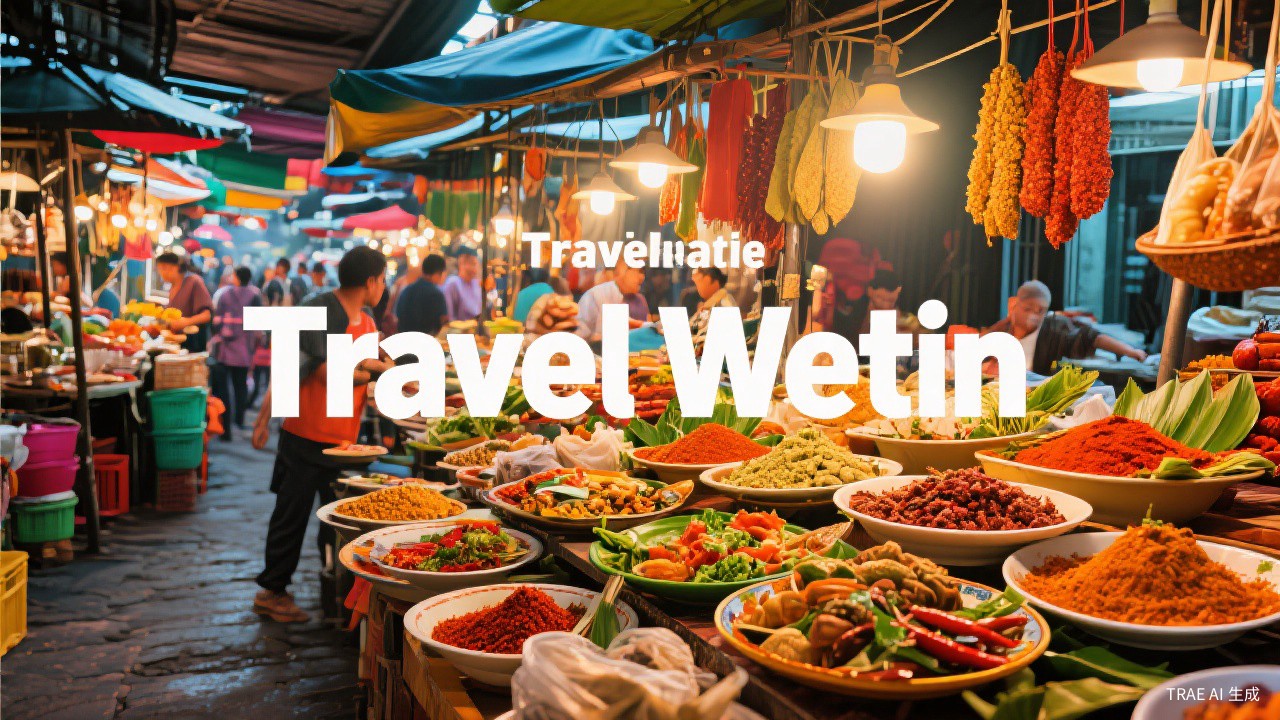
Food stands out as accessible entry points into a new culture. While museums and monuments teach history, meals reveal daily life. The way people eat, what they eat, and where they eat tells stories that guidebooks cannot capture. Eating like a local The real value isn't saving money—it's experiencing a destination authentically.
Many travelers stick to restaurants catering to tourists, missing the flavors that locals actually eat. The difference is not subtle. Tourist restaurants often serve bland approximations of local dishes at inflated prices. Local spots serve the real thing at prices residents can afford.
This guide covers strategies for finding authentic local food, from street stalls to neighborhood restaurants, along with practical advice for eating safely and respectfully.
Tasting Local Culture
Authentic cuisine connects you to place in a direct, sensory way. The spices in a Thai curry reflect centuries of trade routes. The fermentation in Korean food emerged from preservation needs. Understanding food deepens your understanding of history, geography, and culture.
Local food supports local economies. Money spent at street stalls and family restaurants goes directly to residents. Money spent at international chains and tourist restaurants often leaves the community. Your food choices have economic impact.
The flavors are simply better. Food prepared for locals does not need to appeal to uncertain palates. It can be properly spicy, genuinely sour, or authentically pungent. The food that locals eat is the food they have refined over generations.
Finding Authentic Local Food
Follow the locals. A stall crowded with residents at lunchtime is serving good food at fair prices. An empty restaurant in a tourist area is empty for a reason. Look for places where English menus are absent or limited—this indicates a local clientele.
Markets are goldmines. Every culture has market food, from Mexican tacos to Singaporean hawker centers. Markets offer variety, freshness, and low prices. They also provide a window into local life. Visit in the morning for the freshest food and most activity.
Ask people who would know. Hotel staff, taxi drivers, and shop owners eat somewhere. Ask where they would go for lunch, not where they would send a tourist. The difference is often revealing. Be specific about what you want—"Where would you eat noodles?" works better than "What's good around here?"
Street Food Strategies
Observe hygiene practices. Look for stalls with high turnover—food is fresh. Watch whether the cook handles money and food with the same hands. Check whether ingredients are covered and protected from flies. These observations matter more than the stall's appearance.
Go where street food is a tradition. Southeast Asia, Mexico, India, and the Middle East have deep street food cultures with established hygiene practices. Northern Europe and North America have less developed local food scenes. Match your expectations to the region.
Start with cooked-to-order items. Food cooked fresh in front of you is safer than food sitting in warming trays. Look for grilling, frying, or boiling happening after you order. Avoid items that have been sitting at room temperature.
Restaurant Selection
Venture beyond tourist zones. Walk ten minutes away from major attractions and prices drop while quality often improves. Look for restaurants in residential neighborhoods. These exist for locals, not visitors.
Check for menus in local language only. A restaurant with no English translation is serving locals. This might feel intimidating, but it usually indicates authentic food at local prices. Use translation apps or point at what others are eating.
Specialization suggests quality. Restaurants that do one thing well often do it better than places trying to do everything. A shop selling only pho probably makes excellent pho. A restaurant with a twenty-page menu probably makes mediocre everything.
Food Safety Considerations
Water is the primary concern in many regions. Avoid tap water, ice made from tap water, and washed produce in places with unsafe water. Bottled water is widely available. In restaurants, ask if water is filtered. Hot beverages are generally safe as boiling kills pathogens.
Cooked food is safer than raw. Heat kills most harmful bacteria. In regions with questionable hygiene, stick to thoroughly cooked dishes. Avoid salads, raw seafood, and unpasteurized dairy unless you are confident in the source.
Build tolerance gradually. Your digestive system adapts to new bacteria over time. Do not dive into the spiciest street food on your first day. Start milder and work up. Carry basic medications for digestive issues.
Cultural Food Etiquette
Learn basic eating customs. In some cultures, eating with hands is expected; in others, it is rude. Some cuisines involve shared dishes; others emphasize individual plates. Understanding these norms prevents embarrassment and shows respect.
Tipping varies dramatically. In Japan, tipping is not done and can be offensive. In the United States, it is expected. In Europe, small tips are appreciated but not required. Research tipping norms before you travel.
Respect dietary restrictions. In some cultures, refusing food is rude. If you have dietary restrictions, learn how to communicate them politely. In places where vegetarianism is uncommon, you may need to explain what you can eat rather than what you cannot.
Wrapping Up
Be adventurous but not reckless. Trying new foods is part of travel. Getting sick is not. Use common sense about hygiene while remaining open to new experiences.
Learn a few food words in the local language. Being able to ask "What is this?" or say "delicious" in the local language opens doors and creates connections.
Take photos of memorable meals. Not for social media necessarily, but for your own reference. A photo of a dish you loved helps you find it again or describe it to others. Food memories are some of the most vivid travel memories.
Traveler's Tip
Eat where the line is longest and the menu is shortest. A stall selling three dishes with a queue of locals will be better than an empty restaurant with a ten-page menu. Specialization is a good sign.