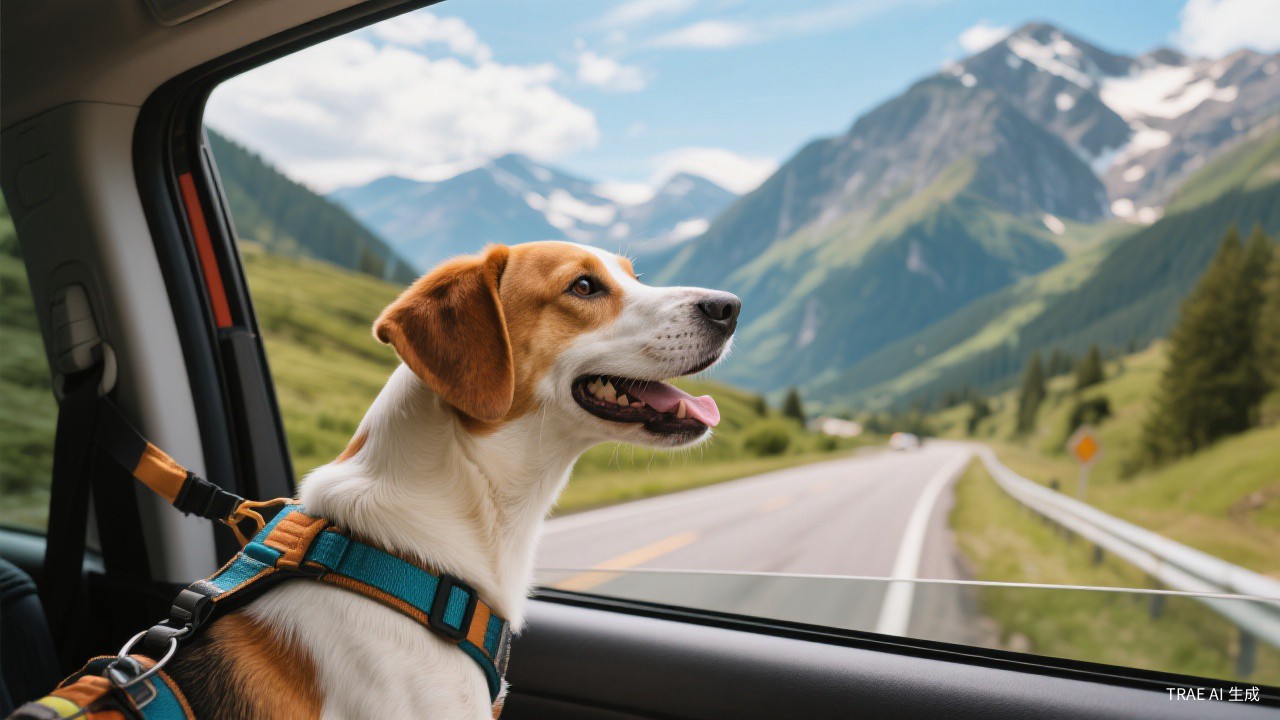
Traveling with pets requires more planning than solo travel, but for many pet owners, the alternative—leaving a beloved companion behind—is not an option. With proper preparation, pets can join you on adventures from road trips to international relocations. The key is understanding the requirements and logistics before you travel.
Not every pet is suited for travel. Older animals, those with health issues, and anxious pets may be happier at home with a trusted sitter. Consider your pet's personality and needs honestly before deciding to bring them along.
This guide covers the practical aspects of pet travel, from airline policies to international requirements, along with strategies for keeping your pet safe and comfortable on the road.
Preparing for Travel with Pets
Pets cannot advocate for themselves. They depend entirely on you for food, water, bathroom breaks, and comfort. Travel disrupts their routines and environments. The responsibility for managing this disruption falls on you.
Regulations vary dramatically by destination and mode of transport. What works for a domestic road trip may not work for international flights. Some countries require months of preparation for pet import. Research is essential.
Accommodations and activities are more limited with pets. Not all hotels accept animals. Many attractions do not allow pets. Your itinerary must account for these restrictions. Spontaneous travel becomes more difficult with a pet in tow.
Assessing Your Pet's Suitability for Travel
Consider your pet's health. A visit to the veterinarian before travel is essential. Discuss your plans and get honest feedback about whether your pet can handle the trip. Update vaccinations and obtain health certificates if required.
Evaluate your pet's temperament. Anxious animals may find travel stressful rather than exciting. Pets that are aggressive or poorly socialized may not handle encounters with other animals and people well. Know your pet's limits.
Age matters. Puppies and kittens may not have completed vaccination series required for travel. Senior pets may have health issues that complicate travel. Adult animals in good health are the best candidates for travel.
Air Travel with Pets
Understand the options. Small pets (typically under 20 pounds including carrier) can often travel in the cabin with you. Larger pets must travel as checked baggage or cargo. Each option has different requirements, costs, and risks.
In-cabin travel is safest and least stressful for pets. The carrier must fit under the seat in front of you. Fees start at $75-200 each way. Book early—airlines limit the number of pets per flight. Bring a soft-sided carrier that meets airline dimensions.
Cargo travel carries more risk. Temperature extremes, rough handling, and stress can harm pets. Some breeds (brachycephalic dogs like pugs and bulldogs) are prohibited from cargo travel due to breathing risks. If cargo is necessary, choose direct flights and fly during moderate temperatures.
International Pet Travel
Requirements vary by country. Some nations have strict quarantine requirements; others have none. Research your destination's requirements months in advance. The USDA APHIS website provides information for US travelers; similar resources exist for other countries.
Microchipping is often required. Many countries require ISO-compliant microchips implanted before rabies vaccination. The microchip number appears on all health documents. Have your pet scanned before travel to confirm the chip works.
Health certificates are essential. Most countries require an official health certificate from a licensed veterinarian, sometimes endorsed by a government agency. These certificates have expiration dates, so timing matters. Some countries require specific tests (rabies titers, parasite treatments) performed within certain timeframes.
Road Trips with Pets
Restraint is essential for safety. Unrestrained pets become projectiles in accidents and can interfere with driving. Use a crate, pet seatbelt, or barrier. This protects both your pet and you.
Plan for frequent stops. Pets need bathroom breaks, water, and exercise every 2-4 hours. Research pet-friendly rest stops and parks along your route. Do not leave pets alone in cars—temperatures become dangerous quickly.
Prepare for car sickness. Many pets experience motion sickness, especially when young. Acclimate your pet to car travel with short trips before a long trip. Ask your veterinarian about anti-nausea medication if needed.
Pet-Friendly Accommodations
Research before you book. Many hotels accept pets, but policies vary. Some charge pet fees ($25-100 per night). Some restrict size or breed. Some allow pets only in certain rooms. Call directly to confirm policies.
Vacation rentals often work better than hotels. You have more space, often a yard, and kitchen facilities for preparing pet food. Airbnb and VRBO allow filtering for pet-friendly properties. Read reviews from other pet owners.
Camping with pets requires preparation. Ensure campgrounds allow pets. Keep pets leashed and supervised. Be aware of local wildlife that might threaten or be threatened by your pet. Bring pet first aid supplies.
Preparing Your Pet for Travel
Acclimate your pet to their carrier before travel. Leave it open at home with treats and toys inside. Gradually increase the time they spend in it. A pet comfortable with their carrier experiences less stress during travel.
Practice car travel if your pet is not used to it. Start with short trips and gradually increase duration. This helps identify motion sickness issues before a long trip. Consult your veterinarian about anti-nausea medication if needed.
Exercise your pet thoroughly before travel. A tired pet is calmer during transit. A long walk or play session before departure helps them rest during the trip. That said, do not feed them immediately before travel to reduce accident risk.
Pet-Friendly Accommodation Tips
Always call ahead to confirm pet policies, even if booking platforms indicate pets are allowed. Policies can change, and some properties have restrictions on size, breed, or number of pets. Getting confirmation in writing prevents surprises at check-in.
Bring familiar items from home. Your pet's bed, toys, and food bowls provide comfort in unfamiliar environments. The familiar scents help them settle more quickly. This is especially important for anxious pets.
Be considerate of other guests. Do not leave pets unattended in rooms where they might bark and disturb others. Clean up after your pet in all areas. Following rules ensures properties remain pet-friendly for future travelers.
Traveling with Pets
Start planning early. International pet travel can require months of preparation. Even domestic travel benefits from advance research. Do not leave pet logistics to the last minute.
Have a backup plan. Pets get sick. Flights get cancelled. Documents get lost. Know what you would do if things go wrong. Emergency veterinary contacts at your destination are essential.
Consider whether travel is truly best for your pet. Sometimes the most loving choice is leaving them in comfortable, familiar surroundings with a trusted caregiver. Your pet's wellbeing should guide your decisions.
Traveler's Tip
Get your pet used to the carrier at home weeks before the trip. Leave it open with a blanket and treats inside. A pet that associates the carrier with positive experiences will be calmer during transport.