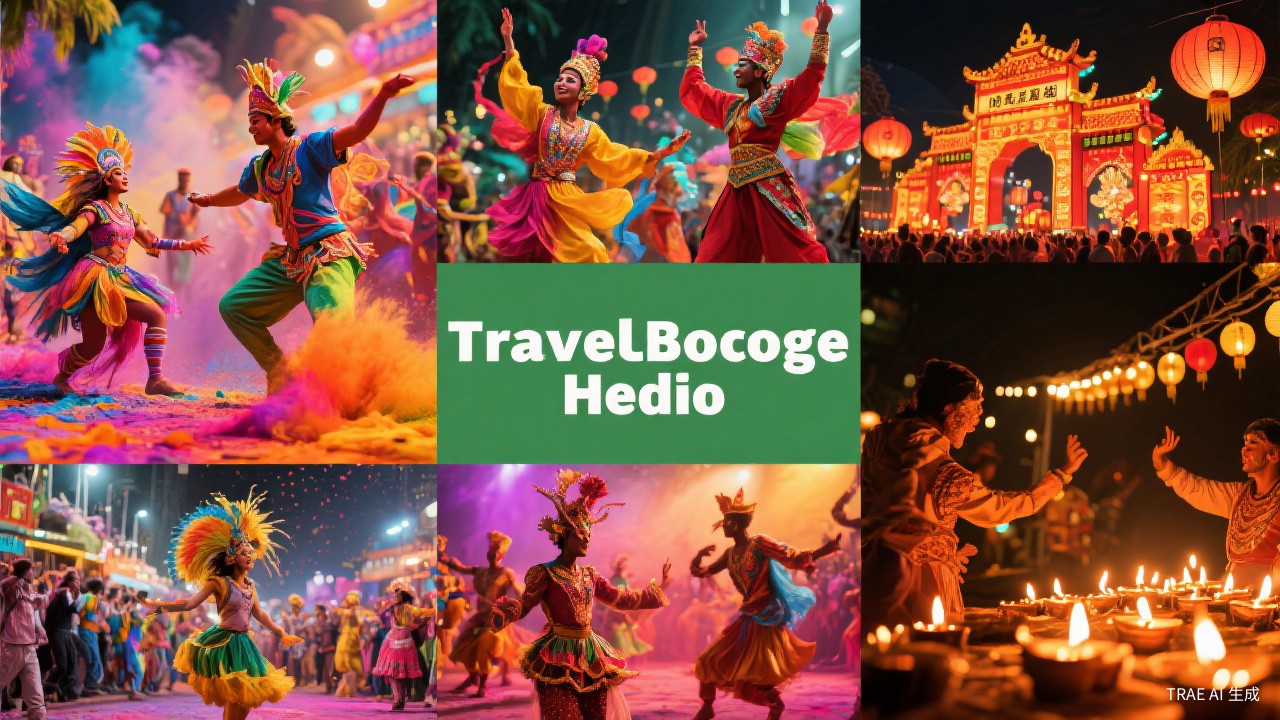
Festivals offer concentrated doses of culture that ordinary travel cannot match. During celebrations, communities display their traditions most openly, visitors are welcomed most warmly, and the barriers between observer and participant dissolve. Planning travel around festivals creates memories that define entire trips.
That said, festival travel requires different planning than regular tourism. Accommodations fill months in advance, prices spike, and crowds can be overwhelming. The rewards are great, but so are the challenges of timing and logistics.
This guide covers how to research, plan, and experience festivals around the world, from massive international events to intimate local celebrations.
Experiencing Local Celebrations
Festivals reveal culture at its most authentic. While museums preserve the past, festivals celebrate living traditions. The music, food, costumes, and rituals you witness are not performances for tourists—they are genuine expressions of community identity.
Access is easier during festivals. Communities that might be reserved with tourists during normal times often welcome visitors warmly during celebrations. You may be invited into homes, offered food, and included in activities that would not happen otherwise.
The energy is contagious. Being among thousands of people celebrating together creates an atmosphere impossible to replicate. Even if you do not understand every tradition, the collective joy sweeps you along.
Researching Festivals
Start with your interests. Music festivals, religious celebrations, food events, and cultural festivals offer different experiences. Identify what draws you, then research festivals in that category worldwide. Resources like Fest300 and Atlas Obscura catalog events globally.
Check dates carefully. Many festivals follow lunar calendars or change dates annually. Holi in India, Chinese New Year, and Ramadan move each year. Verify the exact dates for your travel year before booking anything.
Research the festival's character. Some are tourist-friendly with infrastructure for visitors. Others are local events with limited English spoken and no facilities for outsiders. Know what you are getting into. Both types can be rewarding, but they require different preparation.
Planning Your Festival Trip
Book accommodations early. For major festivals, this means months or even a year in advance. Hotels in Rio during Carnival, accommodations in Munich during Oktoberfest, and lodging in India during Holi book out early. If you wait, you will pay premium prices or stay far from the action.
Plan your transportation. Getting to and from festival locations can be challenging. Roads close, public transit overflows, and taxis become scarce. Research transportation options and have backup plans. Arrive early on festival days.
Pack appropriately. Festivals often involve weather exposure, standing for long periods, or getting dirty. Research what to expect and pack accordingly. Comfortable shoes are almost always essential. Some festivals have dress codes or traditions around clothing colors.
Major Festivals Worth Traveling For
Rio Carnival (Brazil, February/March) is the world's largest carnival celebration. Samba schools compete in the Sambadrome, while street parties (blocos) fill neighborhoods. Book accommodations a year ahead. Expect crowds, heat, and nonstop partying.
Holi (India, March) celebrates spring with colored powders thrown by participants. It is messy, joyful chaos. Wear clothes you do not mind ruining. Protect cameras and phones. The best celebrations are in smaller towns rather than major cities.
Oktoberfest (Germany, late September through October) draws millions to Munich for beer, food, and Bavarian culture. Reserve tables at beer tents in advance or arrive early for unreserved seating. Accommodation in Munich is expensive during the festival.
Lesser-Known Festival Gems
Yi Peng Lantern Festival (Thailand, November) sees thousands of lanterns released into the sky in Chiang Mai. The visual spectacle is striking. Book accommodations early as Chiang Mai fills completely. Combine with Loi Krathong, which occurs simultaneously.
Day of the Dead (Mexico, November 1-2) honors deceased loved ones with altars, food, and cemetery vigils. Oaxaca and Patzcuaro have particularly strong traditions. It is a solemn but beautiful celebration, not a party.
Naadam Festival (Mongolia, July) showcases traditional sports: wrestling, archery, and horse racing. The national celebration in Ulaanbaatar is largest, but provincial celebrations are more intimate and authentic.
Navigating Festival Crowds
Arrive early for popular events. The best viewing spots, the closest accommodations, and the least crowded experiences go to those who arrive first. This might mean arriving hours before an event or days before a festival begins.
Have meeting points. Cell service often fails during major festivals due to network overload. Establish meeting points with companions in case you are separated. Choose distinctive landmarks that are easy to find.
Take breaks from the intensity. Festival overload is real. Step away from the crowds periodically to rest, hydrate, and reset. The experience is better when you pace yourself rather than exhausting yourself in the first hours.
Respecting Festival Traditions
Understand the significance. Many festivals have religious or cultural meaning beyond entertainment. Learn what you are witnessing. This knowledge deepens your experience and prevents unintentional disrespect.
Ask before photographing people. During festivals, people may be in ceremonial dress or engaged in sacred activities. Always ask permission before photographing individuals. Some moments are not appropriate to capture.
Participate rather than just observe. Many festivals welcome visitor participation. Dance, eat, and celebrate alongside locals. The experience is richer when you engage rather than stand apart.
Festival Planning
Plan ahead but stay flexible. Festival dates can change, weather can affect events, and the best experiences are often unplanned. Have a framework but leave room for serendipity.
Connect with locals. Festivals are community events. Talk to people, accept invitations, and participate fully. The memories you make will be about the people, not just the spectacle.
Document thoughtfully. Take photos and videos, but do not experience the entire festival through a screen. Put down the camera and be present. The best memories do not need documentation.
Traveler's Tip
Book accommodation at least six months ahead for major festivals. Prices triple and availability disappears within weeks of announcement. The early planner pays less and stays closer to the action.