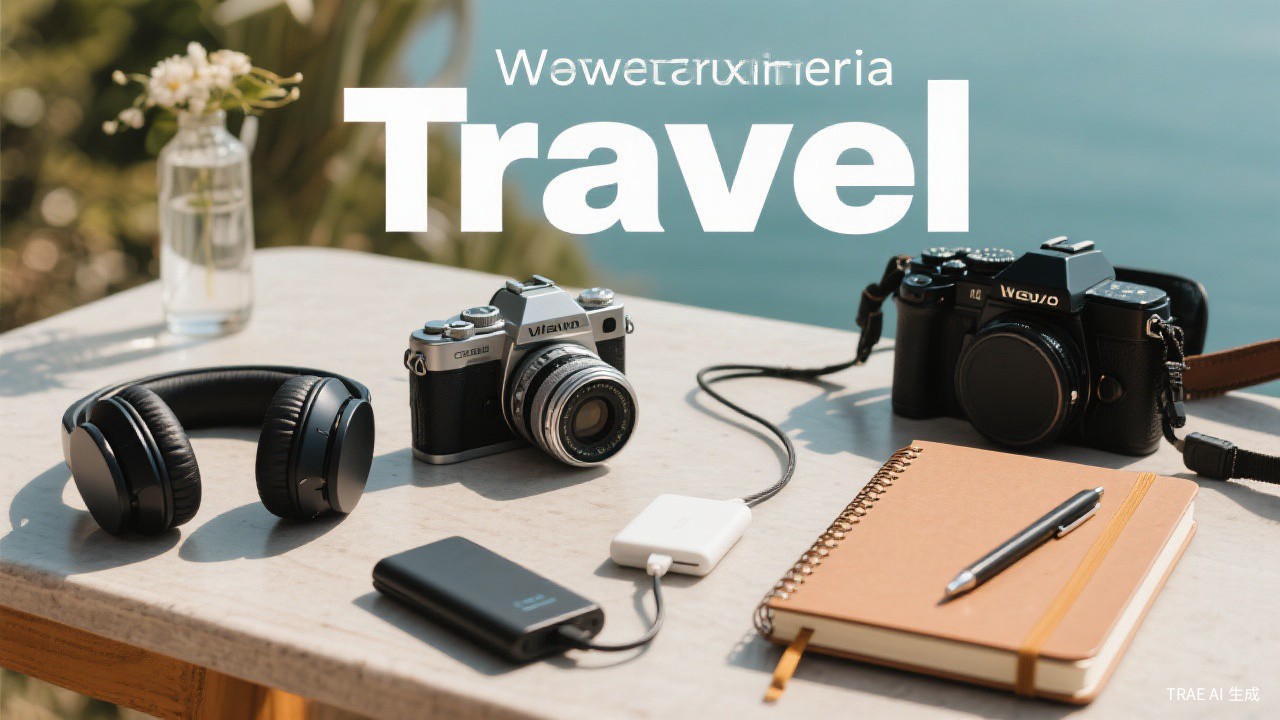
Travel gear is a multi-billion dollar industry built on convincing you that you need things you never knew existed. While some products genuinely improve the travel experience, many are solutions looking for problems. The art of packing is not about having the right gear—it is about having only the right gear.
After the basics—passport, money, phone—most other items fall somewhere between useful and unnecessary. The specific gear that matters depends on your travel style, destination, and personal preferences. What is essential for a backpacker is different from what a business traveler needs.
This guide covers the gear that consistently proves its worth across different types of travel, along with guidance on what to skip.
Choosing the Right Gear
Every item you carry has a cost. Weight, space, and attention are all limited. Each unnecessary item displaces something that might matter more. The goal is not minimalism for its own sake but intentionality—carrying what serves your trip and nothing that does not.
Quality gear prevents problems. A suitcase that breaks on day one, a rain jacket that leaks, or a phone charger that fails can ruin a trip. Investing in reliable gear pays off over years of use. The cheapest option is rarely the best value.
The right gear enables experiences. Good walking shoes let you explore all day. A quality camera captures memories. A comfortable backpack makes transit bearable. Gear should enable your travel, not constrain it.
Luggage: The Foundation
Choose based on your travel style. Backpacks work best for varied terrain, public transit, and mobility. Rolling suitcases excel on smooth surfaces and when you have lots of stuff. Hybrid designs combine wheels with backpack straps for versatility.
Size matters more than you think. Larger bags tempt you to overpack. Smaller bags force prioritization. Most travelers are happier with less. A 40-45 liter bag fits carry-on requirements and forces discipline. If you need more space, question whether you need more stuff.
Quality features include: durable zippers (YKK is the standard), comfortable handles, smooth-rolling wheels, and reasonable weight. Avoid bags with too many compartments—they add weight and complexity without utility.
Packing Organization
Packing cubes compress clothing and keep it organized. You can find items without unpacking everything. One cube per category (tops, bottoms, underwear) simplifies packing and unpacking. They are not essential but they are genuinely useful.
Compression sacks save space for bulky items like jackets and sweaters. They remove air manually, reducing volume by up to 50%. Useful for cold-weather travel where layers take significant space.
Toiletry bags with hanging hooks keep products accessible and off questionable bathroom counters. A simple design with a hook and clear pockets works better than elaborate systems with too many compartments.
Electronics and Tech
A smartphone replaces many separate devices: camera, GPS, guidebook, entertainment, communication. Invest in a good phone with adequate storage. A quality case and screen protector prevent costly damage.
A portable charger is essential for long days. Look for 10,000-20,000 mAh capacity, which provides 2-4 phone charges. Anker makes reliable options at reasonable prices. Keep it charged and carry the appropriate cables.
Universal travel adapters work in most countries. Look for one with multiple USB ports so you can charge several devices from a single outlet. Some include voltage conversion for devices that need it. Check your electronics' voltage requirements before you travel.
Comfort and Sleep
A good travel pillow makes flights and long bus rides bearable. Memory foam models provide better support than inflatable ones. The hood-style pillows that wrap around your neck and attach to the seat back prevent the head-bob that wakes you. Test before you travel to find what works for your sleep style.
Earplugs and an eye mask enable sleep anywhere. Hotels can be noisy. Flights have lights that never quite turn off. Roommates snore. These simple items cost almost nothing and make the difference between exhaustion and rest.
A lightweight scarf or pashmina serves multiple purposes: warmth on cold planes, modesty cover for religious sites, beach towel in a pinch, picnic blanket. Choose a neutral color and soft fabric.
Safety and Security
A money belt or hidden pouch keeps valuables secure in areas with pickpockets. Wear it under your clothes, not as an external fanny pack. Use it for passport, extra cash, and backup cards—items you need to carry but rarely access.
A luggage lock deters casual theft. TSA-approved locks can be opened by security without damage. Use them on hotel rooms, hostel lockers, and luggage in transit. They will not stop a determined thief but they prevent opportunistic theft.
A door wedge adds security to hotel rooms. Place it under the door from inside to prevent entry even by someone with a key. Useful in areas where hotel security is questionable. Small, lightweight, and inexpensive.
Health and Hygiene
A basic first aid kit should include: bandages, antiseptic, pain reliever, antihistamines, and any personal medications. You can buy these items abroad, but having them when you need them is worth the small weight and space.
Hand sanitizer and wet wipes are essential for situations where soap and water are not available. Use before eating, after using public transit, and in any questionable hygiene situation. Small bottles fit easily in a day bag.
Water purification tablets or a filter bottle enable safe drinking in areas with questionable water. This saves money and plastic waste compared to buying bottled water continuously. Essential for hiking and remote travel.
Gear That Lasts
Test before you travel. Wear your walking shoes at home. Pack and unpack your bag. Charge your devices with your adapters. Problems discovered at home are easily fixed; problems discovered abroad are stressful and expensive.
Buy quality once. Good gear lasts for years of travel. The amortized cost of quality items is often less than repeatedly replacing cheap ones. Invest in things you use constantly.
Remember that gear is just tools. The experiences matter more than the equipment. Do not let gear acquisition become a distraction from actual travel. Pack what you need and go.
Traveler's Tip
Buy your most important gear items—shoes, backpack, jacket—at a physical store, not online. Fit matters more than specs. A backpack that rubs your shoulders or shoes that pinch will ruin every day of your trip.