Health problems can derail even the best-planned trip. A bout of food poisoning, a twisted ankle, or a more serious illness transforms adventure into ordeal. While you cannot prevent every health issue, proper preparation and smart choices significantly reduce your risk.
Travel health is about more than avoiding disease. It includes managing jet lag, staying fit on the road, and maintaining mental health during extended travel. The strategies that keep you healthy at home need adaptation for travel's unique challenges.
This guide covers how to prepare for healthy travel, avoid common problems, and handle medical issues when they arise.
Staying Healthy on the Road
Medical care varies dramatically worldwide. What is easily treated at home might be difficult to address abroad. Language barriers, unfamiliar medications, and different standards of care complicate treatment. Prevention is easier than cure when medical resources are limited.
Health problems are common among travelers. Studies show that 30-70% of travelers report health issues during or after trips. Most are minor—traveler's diarrhea, respiratory infections, skin problems—but they affect your experience. Some are serious enough to require medical care or early return home.
Recovery is harder when traveling. Your body needs rest and proper nutrition to heal. Travel often provides neither. A cold that would be manageable at home becomes miserable when you are sleeping in hostels and walking all day.
Pre-Trip Health Preparation
Visit a travel medicine clinic 6-8 weeks before departure. These specialists provide destination-specific advice, vaccinations, and prescriptions. They know what diseases are present where you are going and what precautions are recommended. General practitioners may not have this expertise.
Ensure routine vaccinations are current. Measles outbreaks occur in destinations where travelers might not expect them. Tetanus boosters are recommended every 10 years. Flu shots are worth getting before long flights where you will be exposed to many people.
Get destination-specific vaccinations. Yellow fever vaccination is required for entry to some countries. Typhoid and hepatitis A are recommended for many developing regions. Japanese encephalitis and rabies vaccines might be appropriate depending on your itinerary. A travel medicine specialist can advise.
Medication Management
Bring sufficient supply of prescription medications. Carry more than you need in case of delays. Keep medications in original containers with your name matching your passport. Bring copies of prescriptions. Some medications that are legal at home are controlled substances abroad—research before you travel.
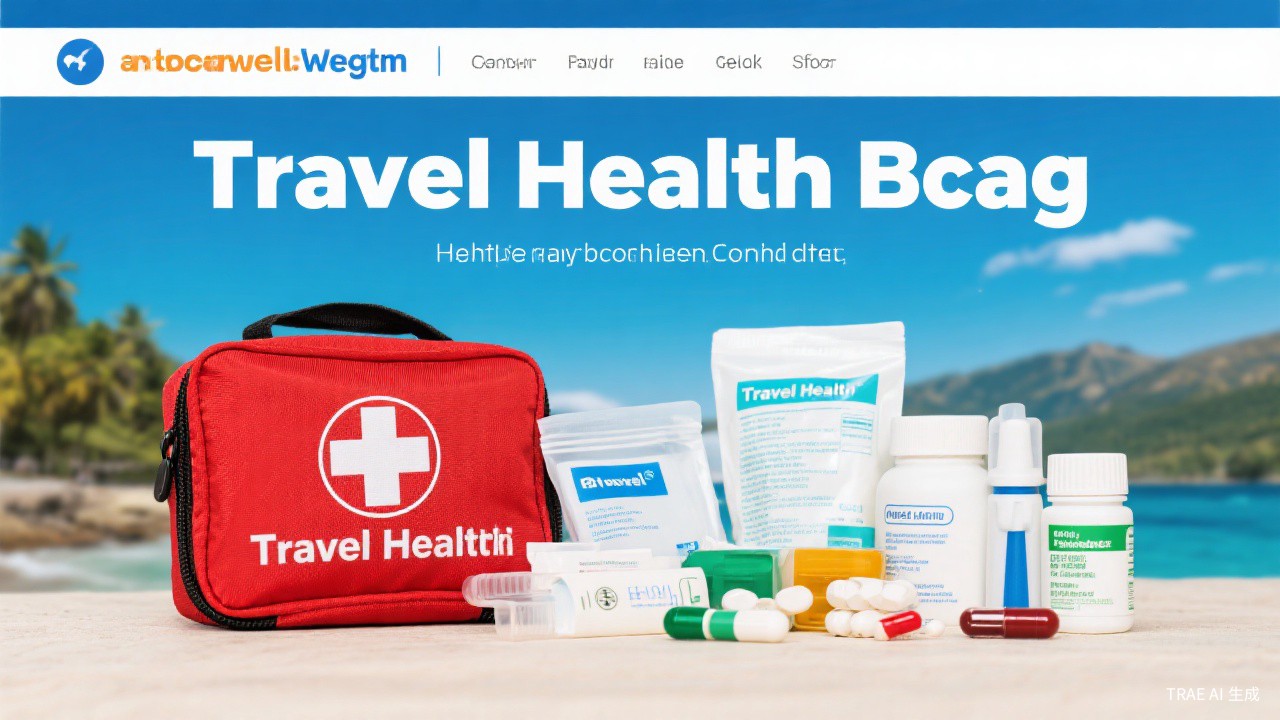
Pack a basic medical kit. Include: pain reliever, antihistamines, antidiarrheal medication, antacids, bandages, antiseptic, and any personal items. Add altitude medication if going high, motion sickness remedies if taking boats or winding roads, and antibiotics for traveler's diarrhea if your doctor prescribes them.
Know your medical information. Carry a card listing your blood type, allergies, medications, and emergency contacts. If you have a serious condition, wear a medical alert bracelet. This information helps medical providers if you cannot communicate.
Avoiding Common Illnesses
Traveler's diarrhea affects 30-70% of travelers to developing regions. Prevent it by: drinking only bottled or purified water, avoiding ice, eating only cooked foods, and peeling fruits yourself. Hand sanitizer helps. Despite precautions, it still happens—stay hydrated and let it run its course unless symptoms are severe.
Mosquito-borne diseases (malaria, dengue, Zika, chikungunya) are prevented by avoiding bites. Use DEET-based repellent (30-50% concentration), wear long sleeves and pants during peak mosquito hours, and sleep under treated nets in high-risk areas. Antimalarial medication is recommended for some destinations—consult a travel medicine specialist.
Respiratory infections spread quickly among travelers. Wash hands frequently, especially after touching surfaces in airports and public transit. Consider wearing a mask on long flights. Stay hydrated to keep mucous membranes functioning. Get enough sleep to keep your immune system strong.
Managing Jet Lag
Adjust your schedule before departure. If traveling east, go to bed earlier for several days. If traveling west, stay up later. This pre-adjustment reduces the shock to your system.
Hydrate during flights. Airplane air is extremely dry, and dehydration worsens jet lag. Drink water regularly. Avoid alcohol and caffeine, which dehydrate and disrupt sleep.
Adapt to local time immediately. Do not nap when you arrive—stay awake until local bedtime. Get sunlight during the day to reset your circadian rhythm. Melatonin supplements can help some people adjust.
Handling Medical Emergencies
Know where to get help. Research hospitals and clinics at your destination before you need them. Know the local emergency number. Have travel insurance information accessible. If you have a serious condition, identify specialists at your destination.
Travel insurance is essential. Medical evacuation can cost $50,000-100,000. Treatment abroad can be expensive. Good travel insurance covers medical care and evacuation. Read the policy carefully—some exclude pre-existing conditions or high-risk activities.
Keep communication possible. Have a way to contact family if hospitalized. Know how to reach your country's embassy or consulate. They can help with medical emergencies, including finding providers and communicating with family.
Managing Chronic Conditions Abroad
Travelers with chronic conditions need extra preparation. Carry a letter from your doctor describing your condition and medications. This helps at security checkpoints and if you need medical care abroad. Translate the letter into local languages for non-English destinations.
Research medical facilities at your destination before you need them. Know where to find specialists if required. Identify hospitals with English-speaking staff. This preparation reduces stress if health issues arise.
Wear medical identification for serious conditions. Bracelets or necklaces alert emergency responders to conditions like diabetes, epilepsy, or severe allergies. This simple precaution can save your life if you cannot communicate.
Maintaining Mental Health While Traveling
Travel can strain mental health despite being enjoyable. Disrupted routines, unfamiliar environments, and travel stress affect mood and anxiety levels. Acknowledge these challenges rather than expecting constant happiness.
Maintain routines where possible. Regular sleep, exercise, and meal times provide stability. If you take medication for mental health, maintain your schedule across time zones. Consistency supports wellbeing.
Know when to slow down. It is okay to take a rest day, skip an attraction, or return to your hotel early. Pushing through exhaustion or anxiety rarely leads to good experiences. Listen to your needs.
Health Prep That Actually Helps
Invest in prevention. Vaccinations, medications, and precautions cost money and effort but are far less expensive than treating illness abroad. The return on investment is high.
Listen to your body. Travel is physically demanding. If you need rest, take it. If you need medical care, seek it. Your health is more important than your itinerary.
Have a plan for emergencies. Know where you would go if seriously ill or injured. Have insurance that covers the care you might need. Keep emergency contacts accessible. Hope for the best, prepare for the worst.
Traveler's Tip
Visit a travel health clinic four to six weeks before departure. Some vaccines require multiple doses spaced weeks apart. Waiting until the last week means you may not be fully protected.