In Varanasi, I spent three mornings trying to capture the perfect sunrise over the Ganges. On the fourth morning, I put my camera down and simply watched. A woman performing her morning puja noticed me and gestured for me to join. I did not take a single photo that morning, but I remember every detail—the incense, the chanting, the feeling of being present. Now my best photographs are the ones I almost did not take.
Travel photography preserves memories and shares experiences with others. A good photograph transports you back to a moment—the quality of light, the feeling of a place, the emotion of an encounter. While professional equipment helps, the most important factors are seeing well and understanding basic principles.
Modern smartphones have made decent photography accessible to everyone. The gap between phone cameras and dedicated cameras has narrowed considerably. The best camera is the one you have with you, and most travelers always have their phones.
This guide covers practical photography tips for travelers, from composition to equipment to ethical considerations when photographing people and places.
Travel Photography
Photographs trigger memories. Years later, an image can bring back the smell of a market, the sound of a street, the feeling of awe at a view. The photograph itself matters less than the memory it preserves.
Sharing experiences enriches others. Your photographs might inspire someone else to travel, help them plan their trip, or simply bring joy. Photography is a form of communication.
Photography changes how you see. Looking for good photographs forces you to observe more carefully. You notice light, composition, and details that might otherwise pass unnoticed. The camera can make you a more attentive traveler.
Composition Fundamentals
The rule of thirds divides your frame into a 3x3 grid. Place key elements along these lines or at their intersections rather than dead center. Most cameras and phones can display this grid. It creates more varied, interesting compositions.
Leading lines draw the eye through the image. Roads, fences, shorelines, and architectural elements can guide viewers to your subject. Look for lines that lead toward what you want to emphasize.
Foreground interest adds depth. A Scenery with something in the foreground—a rock, a flower, a person—feels three-dimensional. Without foreground, terrain can appear flat. Include something close to create layers.
Light and Timing
Golden hour—the hour after sunrise and before sunset—provides the most flattering light. The low sun creates warm tones and long shadows. Scenery and portraits both benefit from this light. Plan to be at your best locations during these times.
Blue hour—the time just before sunrise and after sunset—offers a different quality. The sky takes on deep blue tones, and city lights begin to glow. This is ideal for cityscapes and architecture.
Midday sun creates harsh shadows and washed-out colors. If you must shoot at noon, look for shade or interior spaces. Overcast days provide soft, even light that works well for portraits and details.
Equipment Considerations
Smartphones are sufficient for most travelers. Modern phones handle most situations well. Their limitations—poor low-light performance, limited zoom—matter less than their convenience. Learn to use your phone camera's features: portrait mode, night mode, and manual adjustments.
Interchangeable lens cameras offer more control and better image quality. A mirrorless camera with one or two lenses provides significant capability without excessive weight. Consider whether the improved images justify carrying extra equipment.
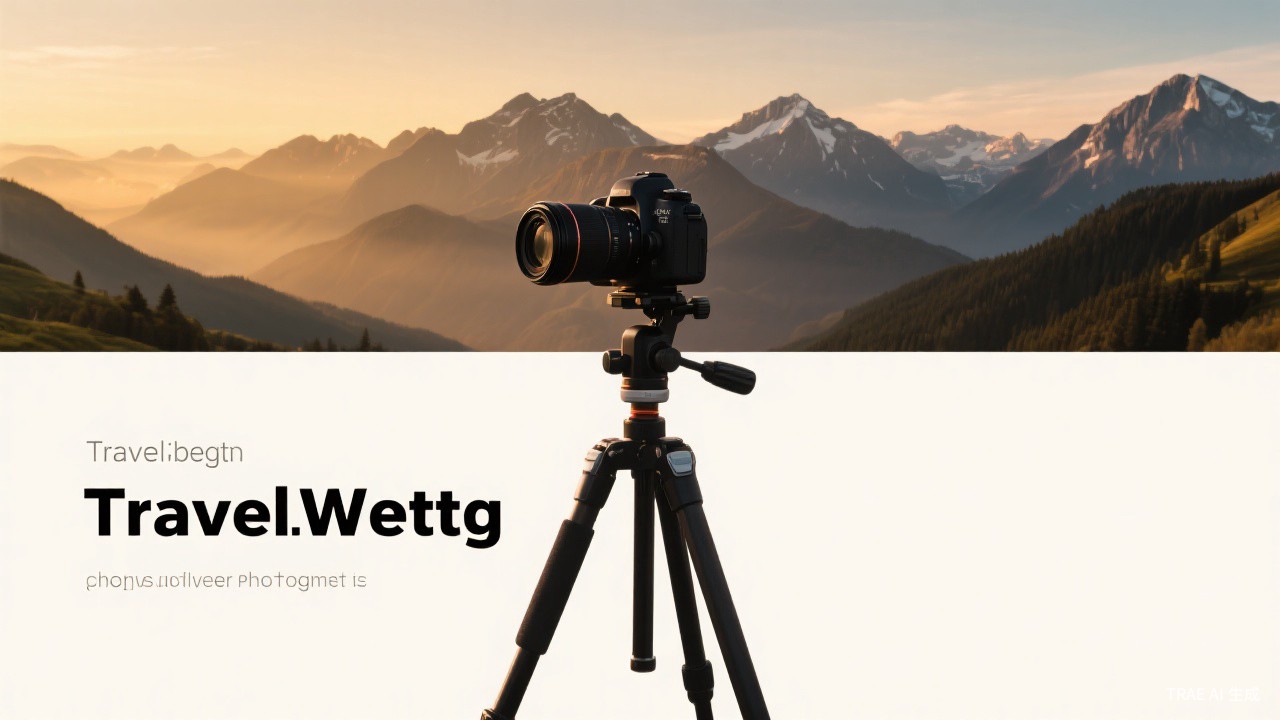
Tripods enable long exposures and stable shots. A small travel tripod fits in a day bag and opens possibilities: night photography, self-portraits, and sharp terrain. Phone tripods are small and inexpensive.
Photographing People
Ask permission before photographing individuals. In many cultures, photographing people without consent is considered rude or invasive. A smile and gesture toward your camera usually conveys your intent. Accept "no" gracefully.
Offer something in return. In some places, especially developing countries, people expect payment for photographs. Carry small bills or offer to send photos. Be fair—do not exploit people for your images.
Capture candid moments. Posed photographs have their place, but candid images often feel more authentic. Wait for people to return to their activities after noticing you. Patience yields natural expressions.
Photographing People and Portraits
Ask permission before photographing individuals. A smile and gesture toward your camera usually communicates your intent. Accept "no" gracefully. Some people prefer not to be photographed, and this choice deserves respect.
Offer something in return for photographs. In some places, payment is expected. In others, offering to send the photo is appreciated. Be fair and generous. Do not exploit people for images.
For candid shots, use a longer focal length. This allows you to photograph from a distance without intruding. Wait for natural moments rather than staging. The best portraits capture authentic expressions.
Protecting Your Photos
Back up photos daily. Copy images to a laptop, external Go, or cloud storage. Do not risk losing all your photos if your camera or phone is lost or stolen. This habit takes minutes and saves memories.
Use multiple backup methods. Cloud storage plus physical backup provides redundancy. If one fails, the other preserves your images. Do not rely on a single backup.
Consider shooting in RAW format. This captures more information than JPEG, allowing better editing later. The files are larger, but the flexibility is worth it for important shots.
Photos Worth Keeping
Practice before you travel. Learn your camera's controls and experiment with composition at home. Travel is not the time to figure out how your equipment works.
Back up your photos regularly. Cloud backup or copying to a separate device protects against loss. Do not let a lost phone or stolen camera mean lost memories.
Remember why you are photographing. The goal is to preserve memories and share experiences, not to create perfect images. A slightly imperfect photograph of a meaningful moment is worth more than a technically perfect image of nothing important.
Traveler's Tip
Shoot during the first and last hour of daylight. The light is warmer, softer, and more directional than midday sun. Professional photographers call these the golden hours for a reason.