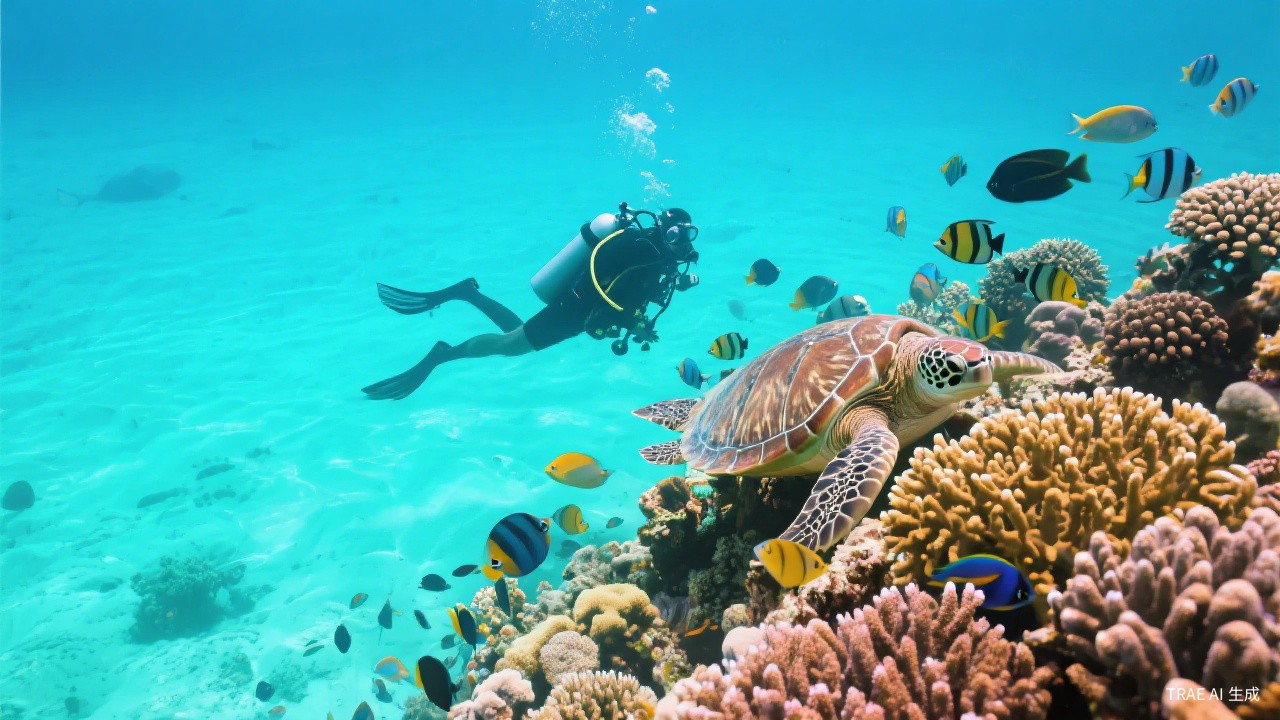
Scuba diving opens a world that most people never experience. Beneath the surface lies an environment of weightlessness, silence, and extraordinary life. Coral reefs, shipwrecks, and marine encounters create experiences that land-based travel cannot match. For many travelers, learning to dive becomes a defining moment in their travel lives.
Diving while traveling adds complexity to an already equipment-intensive activity. You need to find reputable operators, understand local conditions, and manage certification logistics. But the rewards—diving world-class sites, encountering marine life, and exploring underwater environments—justify the effort.
This guide covers everything from getting certified to choosing dive destinations and staying safe while diving abroad.
Discovering the Underwater World
The underwater world is unlike anything on land. Weightlessness, silence, and the three-dimensional freedom of movement create a meditative experience. Many divers describe it as the closest thing to flying.
Marine encounters create lasting memories. Swimming with sea turtles, watching sharks pass by, or floating above a coral garden are experiences that stay with you. These encounters are possible only through diving.
Diving destinations are often beautiful above water too. The best diving is often in places worth visiting for their beaches, jungles, and culture. Diving adds another dimension to beach destinations.
Getting Certified
The Open Water certification is your entry point. PADI, SSI, and NAUI are the major agencies, and their certifications are recognized worldwide. The course takes 3-4 days and includes theory, confined water practice, and four open water dives.
You can start at home and finish abroad. Many people complete the theory and pool sessions locally, then do the open water dives on vacation. This "referral" system maximizes vacation time for actual diving.
Choose your certification location carefully. Learning in warm, clear water is easier and more enjoyable than learning in cold, murky conditions. Popular certification destinations include Thailand, Honduras, and Bali, where courses are affordable and conditions are good.
Choosing Dive Destinations
Match destinations to your experience level. New divers should start with easy conditions: warm water, good visibility, and minimal current. The Caribbean, Red Sea, and Southeast Asia offer excellent beginner conditions.
Consider what you want to see. Coral reefs, large marine life, wrecks, and caves each have their prime destinations. Research what each location offers and choose based on your interests.
Factor in logistics. Some dive sites require long boat rides or liveaboards. Others are shore dives accessible from hotels. Consider how much travel time you want to invest in reaching dive sites.
Top Dive Destinations
The Great Barrier Reef (Australia) offers accessible diving with abundant marine life. Day trips from Cairns reach outer reef sites with excellent visibility. The reef is vast—multiple trips reveal different areas.
Raja Ampat (Indonesia) has the highest marine biodiversity on Earth. Soft corals, schooling fish, and healthy reefs make it a bucket-list destination. It requires more travel effort but rewards divers with world-class diving.
The Red Sea (Egypt) combines excellent diving with accessibility from Europe. Sharm el-Sheikh and Hurghada offer resort-style diving. Dahab provides a more laid-back atmosphere with shore diving.
Belize offers the Blue Hole, a famous sinkhole dive, plus extensive barrier reef diving. The country combines diving with Mayan ruins and jungle activities for a varied trip.
Diving Safely
Choose reputable operators. Look for well-maintained equipment, small group sizes, and professional staff. Check reviews from other divers. A good dive operation prioritizes safety over profit.
Know your limits. Do not exceed your training or comfort level. If conditions seem beyond your ability, sit out. There is always another dive. Never let peer pressure push you beyond your limits.
Stay hydrated and rested. Diving is physically demanding. Dehydration and fatigue increase decompression sickness risk. Take care of yourself between dives.
Equipment Considerations
Most travelers rent equipment rather than carry it. Modern rental gear is adequate for most diving. If you have specific needs or preferences, bring your own mask, fins, and dive computer at minimum.
A dive computer is worth owning. It tracks your nitrogen levels and keeps you within safe limits. Rental computers work, but having your own means familiarity with the interface and settings.
Exposure protection varies by water temperature. Tropical diving needs only a thin wetsuit or rash guard. Temperate waters require thicker suits. Research water temperatures at your destination.
Choosing a Dive Operator
Research dive operators before booking. Look for reviews from other divers. Check safety records. Ask about equipment maintenance and guide qualifications. A good operator prioritizes safety over profit.
Visit the dive shop before committing. Is the equipment well-maintained? Is the staff professional? Do they provide thorough briefings? Your impressions matter. If something feels wrong, choose another operator.
Ask about group sizes. Smaller groups mean more attention from guides. This is safer and more enjoyable. Large groups can feel chaotic underwater. Quality operators limit group sizes.
Environmental Responsibility While Diving
Never touch marine life. Corals are damaged by contact. Animals are stressed by handling. Maintain proper buoyancy to avoid accidental contact. Take only pictures, leave only bubbles.
Do not feed fish or other marine life. Feeding disrupts natural behavior and can make animals aggressive. Resist the temptation to attract fish for photos. Observe without interfering.
Choose operators with environmental practices. Some dive shops participate in reef conservation, beach cleanups, or citizen science. Supporting these operations contributes to marine protection.
Diving Essentials
Get certified before your dream trip. Learning to dive takes time. Do not arrive at a world-class destination still needing certification.
Dive within your limits. The ocean is unforgiving. Every year, divers die by exceeding their training or ignoring conditions. Be conservative.
Respect marine life. Do not touch, chase, or harass animals. Good buoyancy control prevents damaging coral. Take only pictures, leave only bubbles.
Traveler's Tip
Do not dive with a hangover. Dehydration and residual alcohol affect how your body handles pressure changes. A hangover dive increases your risk of decompression sickness. Save the party for after your last dive.