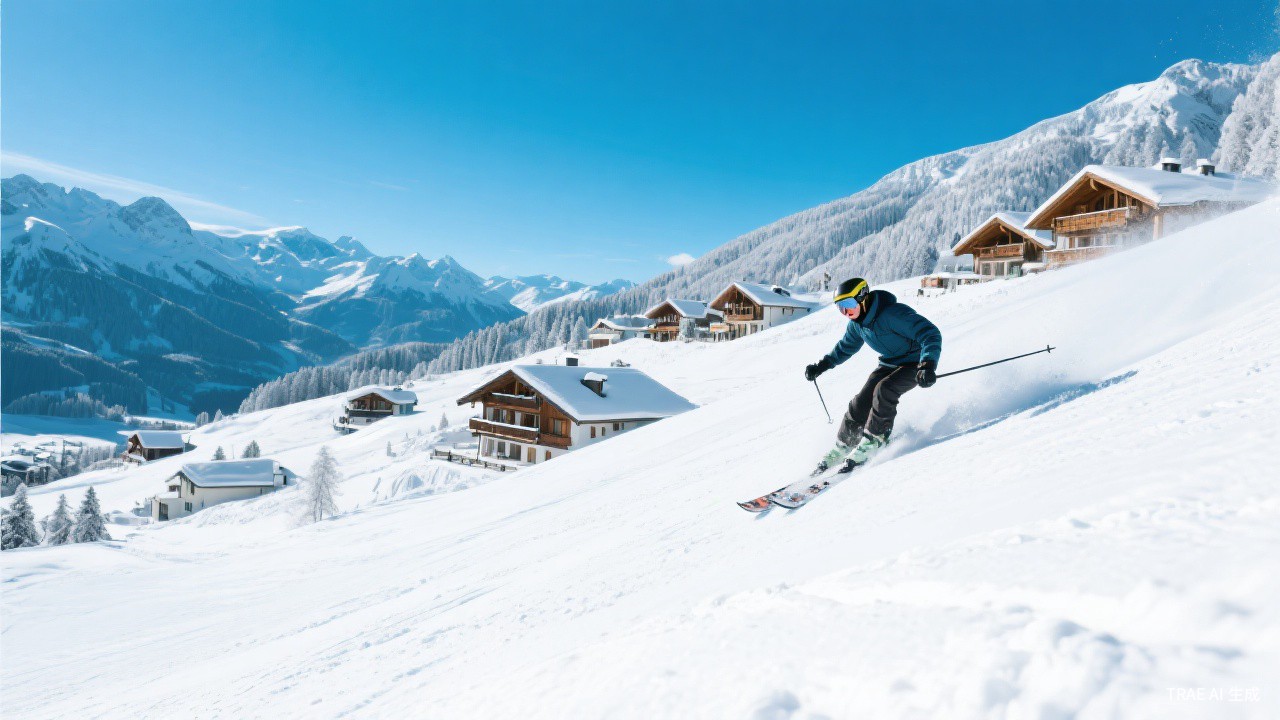
Ski vacations combine physical activity, beautiful scenery, and the unique culture of mountain towns. If you are a beginner taking your first lesson or an expert seeking steep terrain, ski trips offer experiences unlike any other type of travel. The challenge is navigating the logistics—equipment, lessons, lift tickets, and accommodation—while managing costs that can escalate quickly.
Skiing also requires specific conditions. You need snow, which means traveling during winter or to high-altitude glaciers. Weather affects the experience dramatically—a powder day is magical; an icy day is challenging. Planning around these variables takes knowledge.
This is how to plan a ski vacation, from choosing the right resort to managing logistics on the mountain.
Hitting the Slopes
The sensation of skiing is unique. Gliding down a mountain, the cold air on your face, the rhythm of turns—it is a form of flow that is hard to find elsewhere. For many, it becomes a lifelong passion.
Mountain environments are beautiful. Snow-covered peaks, pine forests, and clear air create a setting that feels far from everyday life. Even if you are not skiing, the mountain environment is restorative.
Apres-ski culture adds another dimension. Mountain towns have distinctive atmospheres—cozy lodges, good food, and a community of people who share the passion. The social aspect of ski trips is part of their appeal.
Choosing a Ski Resort
Match the resort to your ability. Beginners need good ski schools and gentle terrain. Intermediates want variety and long runs. Experts seek steeps, bumps, and off-piste access. Research terrain breakdowns before booking.
Consider the total experience. Some resorts are purpose-built with ski-in/ski-out convenience but little character. Others are historic towns with charm but require transportation to slopes. Decide what matters to you.
Factor in crowds and costs. Peak periods—Christmas, Presidents' Week, European school holidays—are crowded and expensive. Shoulder seasons offer better value and fewer people but less reliable snow.
Top Ski Destinations
The Alps offer the most extensive skiing. France, Switzerland, Austria, and Italy have interconnected ski areas with hundreds of kilometers of runs. The culture, food, and scenery are world-class. Costs are high, especially in Switzerland.
Colorado combines reliable snow with American resort amenities. Vail, Aspen, and Breckenridge offer varied terrain and good infrastructure. The ski towns have character beyond the slopes.
Japan offers incredible powder and unique culture. Hokkaido receives legendary snowfall. The ski areas are smaller than in the Alps, but the quality of snow compensates. Combine skiing with Japanese food and hot springs.
Equipment and Lessons
Rent equipment at the resort. Modern rental gear is good quality, and you avoid traveling with heavy equipment. Reserve in advance during peak periods. Allow time for fitting on your first day.
Take lessons regardless of level. Beginners need instruction to learn safely. Intermediates benefit from technique refinement. Even experts can improve with coaching. Group lessons are affordable; private lessons provide personalized attention.
Invest in proper clothing. Waterproof jacket and pants, warm layers, goggles, and gloves are essential. Cotton is a poor choice—use synthetic or wool base layers. Rent or buy at home if prices at resorts seem high.
Managing Costs
Lift tickets are the biggest expense. Day passes at major resorts cost $100-200. Multi-day passes offer discounts. Consider smaller resorts with lower prices but still good terrain.
Accommodation varies dramatically. Ski-in/ski-out lodges cost premium prices. Towns a few miles from slopes offer better value. Self-catering saves on restaurant costs.
Package deals can provide value. Bundling flights, accommodation, and lift tickets sometimes costs less than booking separately. Compare total costs before assuming packages are better.
Staying Safe on the Mountain
Know your limits. Skiing while tired or beyond your ability causes most accidents. Stop when you are tired. Do not let friends push you onto terrain you are not ready for.
Understand the conditions. Ice, moguls, and visibility affect difficulty. A run that is easy in good conditions might be challenging in poor conditions. Adjust your choices to the day.
Follow the rules. Stay in bounds unless you have the skills and equipment for backcountry. Obey signs and closures. They exist for safety reasons.
Choosing the Right Ski Pass
Ski passes vary in coverage and price. Single-resort passes work for destination trips. Multi-resort passes offer variety but may cost more. Consider how many days you will ski and where before choosing.
Book passes in advance for discounts. Many resorts offer early-bird pricing. Last-minute passes cost more and may sell out during peak periods. Planning ahead saves money and guarantees access.
Consider beginner packages if you are learning. These often include lessons, equipment rental, and limited lift access at reduced prices. Once you progress, you can upgrade to full passes.
Apres-Ski and Off-Mountain Activities
Apres-ski is part of the ski experience. Mountain towns have distinctive cultures—some lively, some relaxed. Research the scene before choosing a destination. The right atmosphere enhances your trip.
Non-skiing activities matter for mixed groups. Many resorts offer snowshoeing, ice skating, sleigh rides, and spa facilities. If some in your group do not ski, ensure there are alternatives.
Rest days are important. Skiing is physically demanding. A day off prevents injury and exhaustion. Use rest days for other activities or simply relaxing. You will ski better afterward.
What to Remember
Book early for peak periods. Accommodation and lessons fill up months in advance for Christmas and school holidays. Do not wait.
Be flexible with dates if possible. A week earlier or later can mean significantly lower prices and fewer crowds. The snow might be just as good.
Take lessons. Even one lesson can improve your skiing. The investment pays off in more enjoyment and less frustration on the mountain.
Traveler's Tip
Rent your boots but buy your own gloves. Rental boots are fine for most skiers, but rental gloves are worn out, cold, and uncomfortable. Good gloves make a bigger difference than good skis for most recreational skiers.