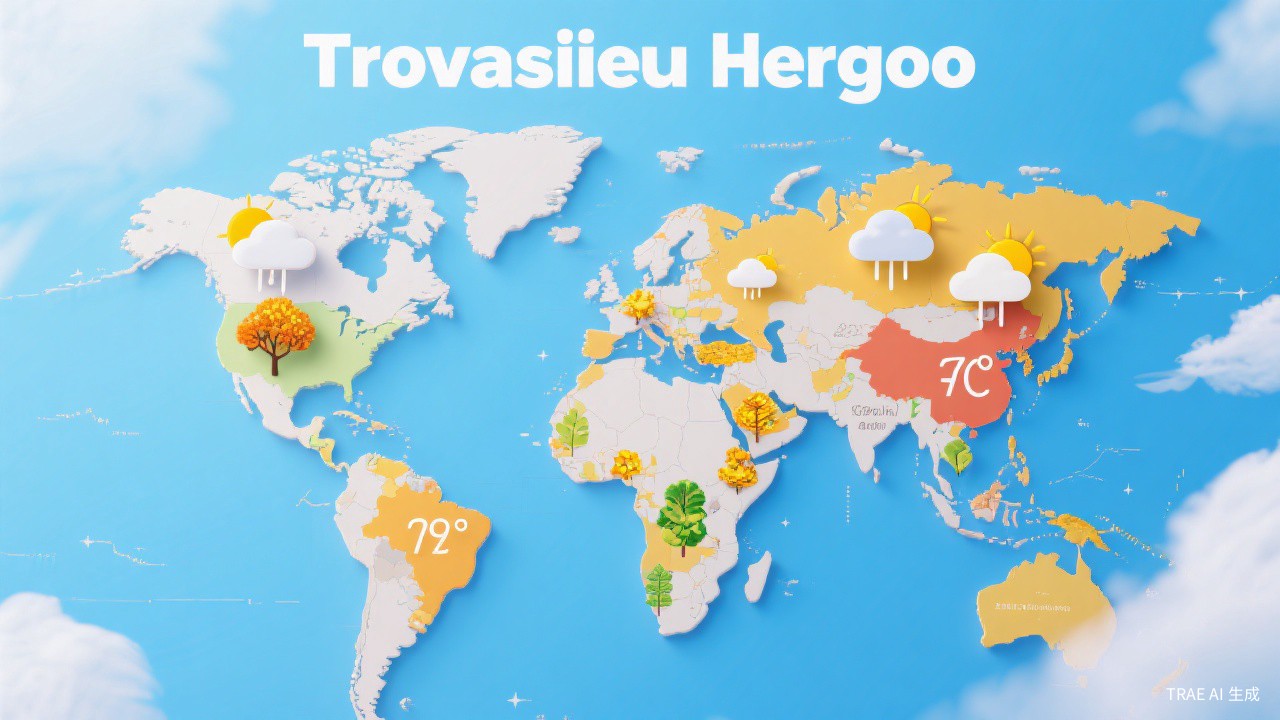
Weather can make or break a trip. The same destination can be magical in one season and miserable in another. Understanding climate patterns, seasonal variations, and how to prepare for different conditions helps you choose when to visit and what to pack. Weather planning is not about avoiding bad weather entirely—that is impossible—but about managing expectations and preparation.
Climate varies dramatically worldwide. What counts as "winter" in Thailand is summer-like for Scandinavians. Monsoon seasons, hurricane windows, and extreme temperatures all affect travel. Research before you book prevents disappointment.
This guide covers how to research weather for travel planning, what to expect in different seasons, and how to pack for various conditions.
Weather Research for Travelers
Seasonal differences are dramatic in many destinations. A Mediterranean beach town is packed and expensive in August but quiet and cheap in November. Some attractions are seasonal—closed in winter or inaccessible during rainy seasons. Knowing these patterns helps you choose when to visit.
Weather affects what you can do. Hiking in monsoon season, skiing without snow, or visiting outdoor attractions in extreme heat all lead to disappointment. Matching activities to appropriate seasons ensures better experiences.
Packing for wrong conditions ruins trips. Arriving in a cold destination with only warm-weather clothes, or vice versa, means spending money on items you already own at home. Research prevents this waste.
Researching Destination Weather
Check historical data, not just forecasts. A forecast shows what might happen next week. Historical data shows what typically happens in a given month. Look at average highs and lows, rainfall amounts, and the range of conditions. Weather Spark and Weatherspark provide detailed historical data.
Understand microclimates. A country might have multiple climate zones. Coastal areas differ from mountains. Cities can be warmer than surrounding countryside. Research the specific location, not just the country.
Consider shoulder seasons. The months between peak seasons often offer the best balance of decent weather, lower prices, and fewer crowds. May and September work well for Europe. October-November and March-April for Southeast Asia.
Seasonal Travel Patterns
Summer (June-August in Northern Hemisphere) is peak season for most destinations. Long days, warm weather, and school holidays Go crowds and prices up. Popular destinations are packed. Book well in advance.
Winter offers different experiences. Ski destinations peak. Tropical destinations become popular escapes from cold. Cities are quieter but days are short. Some attractions close or have limited hours.
Spring and fall provide moderate conditions in many regions. These shoulder seasons often offer the best value. Weather can be variable, so pack layers.
Extreme Weather Considerations
Hurricane season affects the Caribbean, Gulf Coast, and parts of Asia from June through November. Peak activity varies by region. Travel insurance is essential. Be prepared for itinerary changes if storms approach.
Monsoon seasons bring heavy rain to South and Southeast Asia. The specific timing varies by location. Some travelers avoid monsoon season entirely; others find it a good time for lower prices and fewer tourists. Daily afternoon rains are predictable; plan around them.
Extreme heat affects travel in summer. Temperatures above 100F (38C) make sightseeing difficult. The Middle East, India, and parts of the US can be dangerously hot in summer. Plan indoor activities during midday heat.
Packing for Weather
Layering works in variable conditions. Base layers, mid-layers, and shells can be combined or worn separately. This approach handles temperature ranges better than single heavy items.
Rain gear is essential in many destinations. A lightweight rain jacket takes little space. Umbrellas are useful but less effective in wind. Consider waterproof shoes for wet destinations.
Sun protection matters in all climates. UV exposure is high at altitude, in tropical regions, and even on cloudy days. Sunscreen, hats, and protective clothing prevent sunburn and long-term damage.
Packing for Variable Weather
Layering is the key to comfort in variable conditions. Base layers wick moisture, mid-layers insulate, and outer layers protect from wind and rain. This system handles temperature ranges better than single heavy items.
Pack for the range, not the average. Weather forecasts are predictions, not guarantees. Bring clothing for conditions slightly outside the forecast. A light jacket takes little space but matters if temperatures drop.
Consider microclimates. Mountains, coasts, and cities can have different weather within the same region. Pack for the variations you might encounter, not just your primary destination.
Adjusting Plans for Weather
Have backup plans for bad weather. Identify indoor activities near outdoor attractions. Museums, shopping, and cafes provide alternatives when weather disappoints. Flexible plans prevent wasted days.
Embrace weather as part of the experience. Rain makes museums less crowded. Snow transforms terrain. Cloudy days are better for photography than bright sun. Find the positive in conditions you cannot control.
Know when to change plans. Sometimes weather makes activities unsafe or miserable. Do not stubbornly stick to an itinerary that no longer makes sense. Adjust and move on.
Seasonal Travel Strategies
Understanding seasonal patterns helps you choose when to visit destinations. Summer in Europe means long days and warm weather but also crowds and higher prices. Winter offers fewer tourists but shorter days and potential closures. Spring and fall provide balance but variable weather.
Some destinations have dramatic seasonal differences. Iceland in summer has nearly 24 hours of daylight; winter offers northern lights but only a few hours of twilight. Research both the advantages and challenges of each season before deciding when to visit.
Shoulder seasons often provide the best value. The weeks just before and after peak season offer similar conditions with lower prices and fewer crowds. May and October work well for many European destinations. Timing your trip strategically can save hundreds of dollars.
Weather Apps and Resources
Use reliable weather apps with hourly forecasts. AccuWeather, Weather Underground, and local meteorological services provide detailed predictions. Check forecasts regularly as your trip approaches, but remember that forecasts become less accurate further out.
Historical weather data helps with planning. Weather Spark and Weatherspark show what conditions are typically like in each month. This information is more useful than forecasts for planning trips months in advance.
Local knowledge often beats apps. Ask hotel staff, tour operators, or locals about typical conditions. They know patterns that data might miss—like afternoon thunderstorms that happen almost daily in certain seasons.
Weather Prep
Research thoroughly before booking. Know what to expect in your chosen season. If weather matters for your activities, choose dates accordingly.
Build flexibility into plans. Weather can be unpredictable. Have backup plans for rainy days. Do not let weather disappointments ruin your trip.
Prepare for the range of conditions. Pack for what might happen, not just what is typical. A few extra items are worth carrying for unexpected weather.
Traveler's Tip
Check sunrise and sunset times for your destination, not just the temperature. Daylight hours affect what you can do and see. A 5 PM sunset in winter means planning activities differently than a 9 PM sunset in summer.