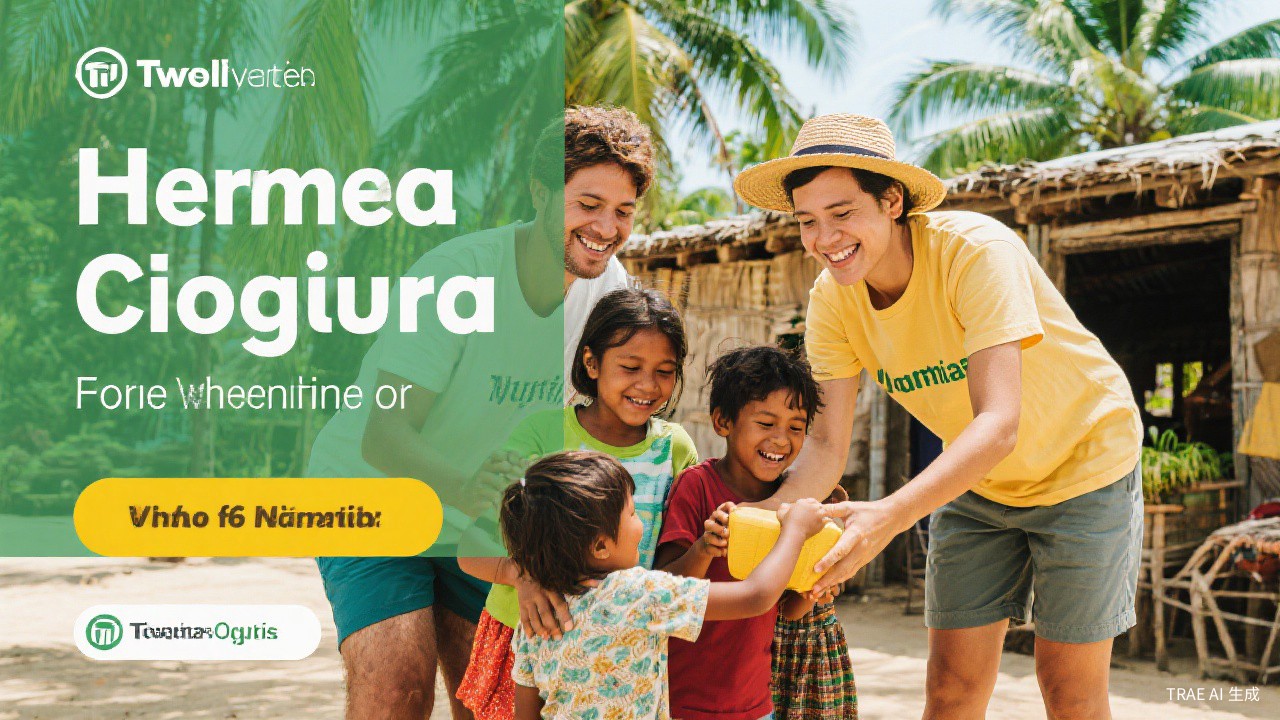
Volunteer travel, or voluntourism, combines travel with service work. The appeal is obvious: you see the world while contributing to communities or causes. The reality is more complicated. Some volunteer programs provide genuine value; others benefit the volunteer more than the community. Understanding the difference is essential.
Done well, volunteer travel can provide meaningful experiences and genuine help. Done poorly, it can waste resources, create dependency, and even cause harm. The key is choosing programs carefully and approaching service with humility.
This guide covers how to find ethical volunteer opportunities, prepare for service work, and ensure your contribution is positive.
What Draws People to Volunteer Travel
Meaningful connection is a primary draw. Working alongside local people creates relationships that tourism rarely provides. You see a destination from the inside rather than as an observer.
Skills development happens naturally. Volunteer work can develop teaching, construction, healthcare, or conservation skills. These experiences improve resumes and provide practical learning.
Cost can be lower than traditional travel. Some programs provide accommodation and meals in exchange for work. This makes extended travel more affordable for some volunteers.
Ethical Considerations
Short-term volunteers can cause harm. Programs that put unskilled volunteers in positions of responsibility—teaching, construction, healthcare—may do more harm than good. Would you want an untrained tourist teaching your children or building your house?
Orphanage volunteering is particularly problematic. Research shows that short-term volunteers can harm child development by creating attachment and abandonment cycles. Many "orphans" in orphanages actually have living parents. Support family-based care instead.
Local capacity building matters most. The best programs work themselves out of existence by training local people to take over. Programs that create dependency on foreign volunteers are not sustainable.
Choosing Ethical Programs
Research the organization thoroughly. How long have they operated? What is their impact? Do they employ local staff? What do past volunteers say? Look for independent reviews, not just testimonials on their website.
Ask about the work. What will you actually do? Is there a genuine need for volunteers, or could locals do this work? Are you taking a job from a local person? The best programs fill gaps that locals cannot fill.
Consider your skills. What can you actually contribute? Medical volunteers should have medical training. Teachers should have teaching experience. Matching skills to needs creates genuine value.
Types of Volunteer Opportunities
Conservation programs often need volunteers for data collection, habitat restoration, and wildlife monitoring. These programs can provide genuine scientific value. Look for programs affiliated with research institutions.
Community development programs vary widely in quality. Construction projects can be valuable if skilled supervision exists. Education programs work best when supporting local teachers rather than replacing them.
Professional skills volunteering uses specific expertise. Doctors, engineers, teachers, and business professionals can contribute specialized knowledge. These programs often have more genuine impact than general volunteering.
Preparing for Volunteer Travel
Learn about the context. Understand the history, culture, and challenges of where you are going. Arriving informed shows respect and helps you contribute more effectively.
Have realistic expectations. You will not save the world in two weeks. The best you can hope for is a small positive contribution and a learning experience. Grandiose expectations lead to disappointment.
Prepare for discomfort. Volunteer conditions are often basic. You might not have reliable electricity, hot water, or familiar food. This is part of the experience.
Preparing for Volunteer Work
Research the organization and project thoroughly before committing. Understand exactly what you will do, where you will stay, and what support is provided. Ask detailed questions. A good organization welcomes scrutiny.
Prepare mentally for challenging conditions. Volunteer work often occurs in resource-limited settings. Accommodation may be basic. Work may be physically demanding. Arriving with realistic expectations prevents disappointment.
Learn about the community you will serve. Understand the context, challenges, and local perspectives. This knowledge helps you contribute more effectively and respectfully.
Making a Lasting Impact
Focus on sustainable contributions. The best volunteer work builds local capacity rather than creating dependency. Ask how your work will continue after you leave. Programs that answer this question thoughtfully are more likely to have genuine impact.
Share your experience thoughtfully. Raise awareness about the issues you encountered. Support the organization financially if you can. Stay connected with the community. Volunteer work does not end when you return home.
Consider long-term involvement. Short-term volunteering has limited impact. Ongoing support—financial, advocacy, or returning—creates more lasting change. Think beyond the trip itself.
Types of Volunteer Opportunities
Conservation volunteering includes wildlife monitoring, habitat restoration, and environmental education. These programs often need volunteers for data collection and labor that supports scientific research. The work is tangible and measurable.
Community development ranges from construction to education to healthcare. Quality varies enormously. The best programs employ local staff and use volunteers to supplement, not replace, local capacity. Ask about the role of volunteers versus paid local staff.
Skills-based volunteering uses professional expertise. Doctors, engineers, teachers, and business professionals can contribute specialized knowledge. These programs often have clearer impact because the skills gap is genuine.
After Your Volunteer Experience
Reflect on what you learned. Volunteer travel should change your perspective. Consider what you saw, what surprised you, and what questions remain. This reflection deepens the experience.
Stay connected if appropriate. Some volunteers maintain relationships with organizations and communities. Ongoing support—financial, advocacy, or returning—creates lasting impact beyond the initial trip.
Share your experience thoughtfully. Raise awareness about issues you encountered. But be careful about how you portray communities. Avoid poverty tourism narratives. Represent people with dignity.
Volunteering Abroad
Prioritize impact over experience. The primary beneficiary of volunteer work should be the community, not the volunteer. If a program seems designed more for volunteer satisfaction than community benefit, look elsewhere.
Consider alternatives. Sometimes the best way to help is through financial support of effective organizations rather than volunteering your presence. Not everyone needs to be on the ground to contribute.
Stay humble. You are there to learn and contribute, not to save anyone. Approach communities as partners, not projects. The most valuable thing you bring may be an open mind.
Traveler's Tip
Ask the organization what happens to their work after volunteers leave. Programs that depend on constant volunteer labor may not be building lasting capacity. The best programs train locals to continue the work independently.