
NYC Overview
New York City stands as one of the most iconic destinations on the planet, drawing over 60 million visitors each year with its unmatched energy and cultural diversity. The city is composed of five distinct boroughs, each offering its own unique character and attractions. From the glittering lights of Times Square to the quiet brownstone streets of Brooklyn Heights, NYC delivers an astonishing range of experiences within a single metropolitan area.
The history of New York stretches back to 1624 when it was founded as a Dutch trading post called New Amsterdam. Over the centuries, the city grew into a global powerhouse of finance, art, fashion, and media. Landmarks like the Statue of Liberty and Ellis Island serve as powerful reminders of the millions of immigrants who passed through these shores in search of a better life. Today, that spirit of ambition and reinvention still pulses through every neighborhood.
Getting around New York is remarkably efficient thanks to its extensive subway system, which operates 24 hours a day, seven days a week. The Metropolitan Transportation Authority manages a network of 472 stations across the city, making it possible to travel from the Bronx to Coney Island without ever stepping into a taxi. Visitors should consider purchasing an unlimited MetroCard or using the OMNY tap-to-pay system for convenient travel throughout their stay.
The best times to visit New York City are during the spring months of April through June and the fall season from September to early November. During these periods, the weather is mild and comfortable for walking, and the city hosts numerous outdoor events and festivals. Winter brings magical holiday decorations and ice skating at Rockefeller Center, while summer offers free concerts in Central Park and outdoor movie screenings across all five boroughs.
Manhattan Highlights
Manhattan serves as the beating heart of New York City, packed with world-famous landmarks, museums, and entertainment venues. Central Park stretches across 843 acres in the center of the island, providing a lush green escape from the urban jungle with its winding paths, lakes, and open meadows. Visitors can rent a rowboat at the Loeb Boathouse, explore the Conservatory Garden, or simply relax on the Great Lawn while watching the skyline above.
The Museum Mile along Fifth Avenue houses some of the world's most prestigious cultural institutions, including the Metropolitan Museum of Art, the Museum of Modern Art, and the Guggenheim Museum. The Met alone contains over two million works of art spanning five thousand years of human history, from ancient Egyptian temples to contemporary American masterpieces. Art enthusiasts could easily spend an entire week exploring just these institutions and still not see everything they have to offer.
Lower Manhattan offers a fascinating mix of history and modernity, where the 9/11 Memorial and Museum stand alongside the soaring One World Trade Center. Wall Street and the Financial District provide a glimpse into the engine that drives global commerce, while the nearby historic neighborhoods of TriBeCa and SoHo showcase some of the city's finest restaurants and boutiques. A walk across the Brooklyn Bridge at sunset provides one of the most spectacular views of the Manhattan skyline.
Times Square and the Theater District represent the vibrant entertainment core of Manhattan, where Broadway shows attract millions of theatergoers every year. The neon-lit intersection has undergone a remarkable transformation from a gritty urban crossroads into a pedestrian-friendly plaza filled with street performers and international visitors. Catching a Broadway production, whether a long-running classic like The Phantom of the Opera or a cutting-edge new work, remains one of the quintessential New York experiences.
Brooklyn and Beyond
Brooklyn has emerged as one of the most exciting destinations within New York City, offering a creative energy that rivals Manhattan at every turn. The Brooklyn Bridge Park stretches along the waterfront with stunning views of Lower Manhattan and the East River, featuring playgrounds, sports fields, and picnic areas. Nearby DUMBO has become synonymous with trendy cafes, artisanal shops, and the iconic Washington Street photo spot framed by the bridge's stone towers.
Williamsburg is widely regarded as the epicenter of Brooklyn's cultural renaissance, filled with vintage clothing stores, independent bookshops, and some of the city's best live music venues. The neighborhood's thriving food scene includes everything from traditional Jewish delis to innovative farm-to-table restaurants. On weekends, the Williamsburg Flea Market draws collectors and curious browsers with its impressive selection of antiques, handmade crafts, and rare vinyl records.
Queens offers an extraordinary tapestry of international cultures, with neighborhoods like Flushing, Jackson Heights, and Astoria representing communities from virtually every corner of the globe. The Queens Night Market at the New York Hall of Science brings together over 100 vendors selling authentic street food from dozens of countries. Flushing Meadows Corona Park, the site of two World's Fairs, provides vast green spaces, the Unisphere, and the Arthur Ashe Stadium, home of the US Open tennis tournament.
The Bronx deserves far more attention than it typically receives from visitors, particularly for its rich cultural heritage and natural attractions. The Bronx Zoo is one of the largest metropolitan wildlife parks in the world, housing over 6,000 animals across 265 acres of naturalistic habitats. Yankee Stadium offers tours and game-day experiences for baseball fans, while the Bronx Museum of the Arts showcases contemporary works by artists of African, Latino, and Asian descent.
NYC Food Scene
New York City's food scene is arguably the most diverse in the world, with culinary traditions from every continent represented within its five boroughs. The city is home to over 27,000 restaurants ranging from humble street carts to Michelin-starred temples of gastronomy. Whether you crave authentic Neapolitan pizza, hand-pulled Chinese noodles, or innovative tasting menus, NYC delivers with remarkable consistency and quality.
Pizza holds a sacred place in New York's culinary identity, and the debate over the best slice has been raging for decades among locals and visitors alike. Legendary establishments like Lombardi's, which opened in 1905 as America's first pizzeria, continue to serve coal-fired pies alongside newer favorites like Joe's Pizza and Di Fara Pizza. The distinctive thin-crust style, characterized by its wide, foldable slices and perfectly charred bottom, has become a cultural icon recognized around the world.
The bagel is another New York institution, and finding the perfect one is practically a rite of passage for any visitor. The secret lies in the water and the traditional method of boiling the dough before baking, which creates that signature chewy exterior and soft interior. Iconic shops like Russ and Daughters, Ess-a-Bagel, and Tompkins Square Bagels have been perfecting their craft for generations, offering everything from classic lox and cream cheese to more creative combinations.
Fine dining in New York reaches extraordinary heights, with the city boasting more Michelin-starred restaurants than almost any other destination on Earth. Establishments like Eleven Madison Park, Le Bernardin, and Per Se consistently rank among the best restaurants in the world. At the same time, the city's casual dining scene is equally impressive, with food halls like Chelsea Market and Eataly offering curated selections of artisanal vendors under one roof.
Practical Tips
Planning a trip to New York City requires some strategic thinking, especially when it comes to budget and timing. Accommodation prices vary dramatically depending on the season, with peak rates during the holidays and major events like New Year's Eve in Times Square. Booking several months in advance and considering hotels in outer boroughs or neighboring areas like Jersey City can result in significant savings without sacrificing accessibility to Manhattan's attractions.
Navigating the city safely is generally straightforward, though visitors should exercise the same common sense they would in any major metropolitan area. The subway is the fastest and most economical way to travel between boroughs, though ride-sharing apps and traditional yellow taxis are readily available. Walking remains the best way to explore individual neighborhoods, and comfortable shoes are absolutely essential given the distances involved and the amount of time most visitors spend on their feet.
Tipping is an important part of New York culture, and understanding local customs will help you navigate service interactions smoothly. Restaurant servers typically expect 18 to 20 percent of the pre-tax bill, while bartenders generally receive one to two dollars per drink. Hotel housekeepers, taxi drivers, and tour guides also rely on tips as part of their income, and visitors should budget accordingly when planning their daily expenses.
Packing for New York requires versatility, as the weather can change quickly and you are likely to transition between outdoor sightseeing and indoor activities throughout the day. Layers are always a good strategy, and a compact umbrella is essential regardless of the season. Visitors should also be aware that many attractions require advance reservations, particularly popular museums, observation decks, and Broadway shows, so planning ahead will help you make the most of your time in the city.
Traveler's Tip
Always check the latest travel advisories and entry requirements before planning your trip. Requirements can change, so verify visa policies, health recommendations, and safety guidelines with official government sources before you go.
Related Articles
 Asia
AsiaThe Ultimate Tokyo Travel Guide: From First-Timer to Expert
Tokyo is a dazzling metropolis where centuries-old traditions coexist with cutting-edge technology. This comprehensive guide covers everything you need to plan an unforgettable trip to Japan's dynamic capital.
 Asia
AsiaKyoto Travel Guide: Exploring Japan's Ancient Capital
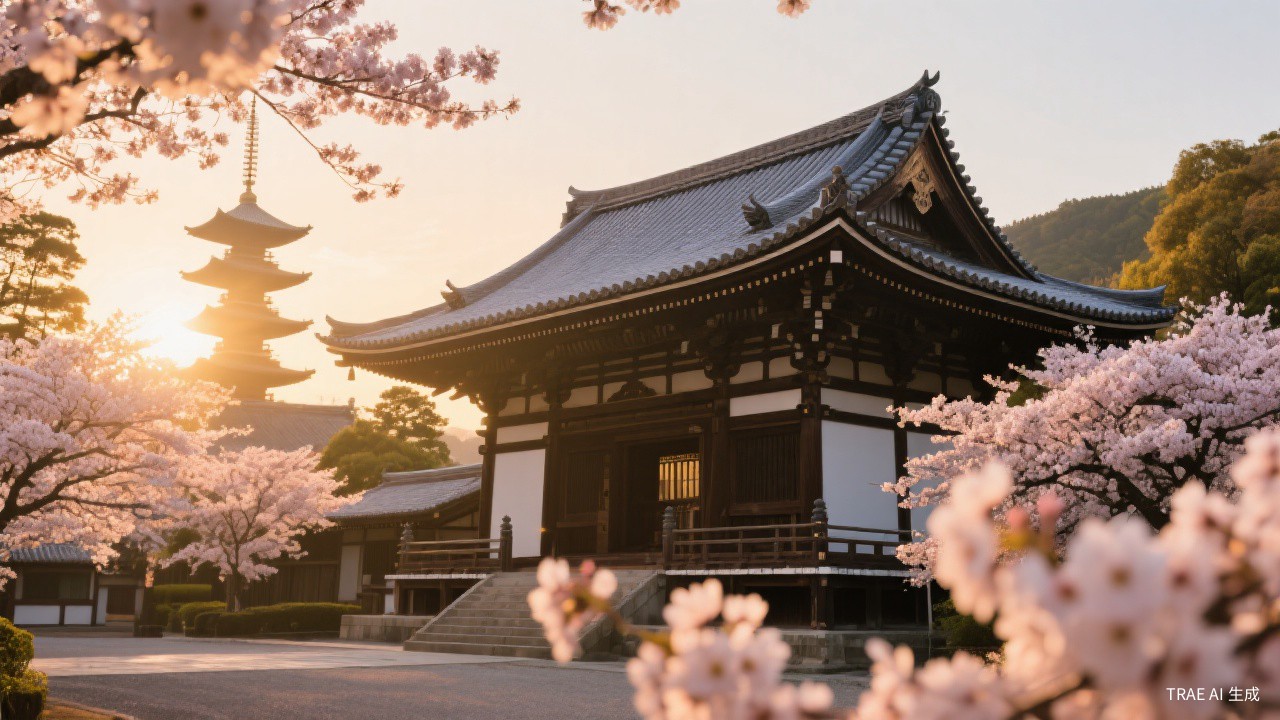
Kyoto is the cultural heart of Japan, home to over 2,000 temples and shrines, exquisite gardens, and living traditions that have been preserved for over a millennium. This guide reveals the best ways to experience this extraordinary city.
 Asia
AsiaBangkok In-Depth: Temples, Street Food, and Night Market Culture
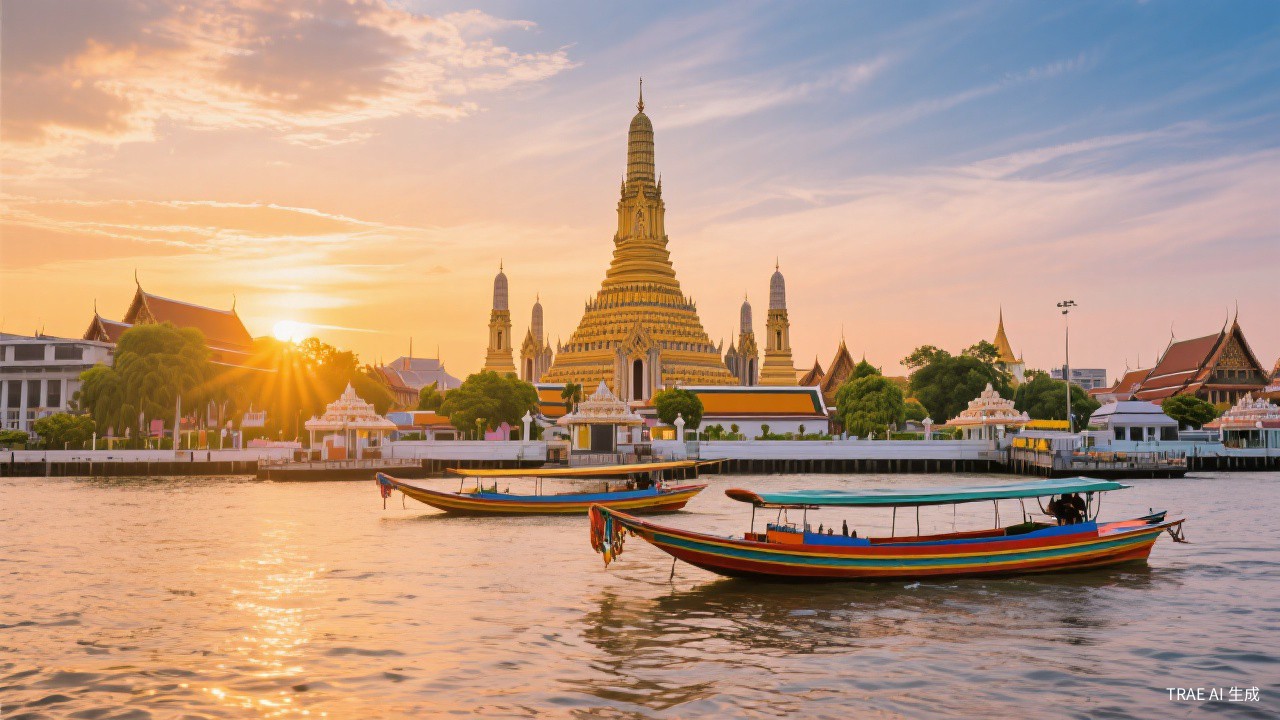
Bangkok is a city of contrasts where ornate temples stand beside gleaming skyscrapers and ancient traditions thrive alongside modern urban life. This guide explores the best of Thailand's vibrant capital.