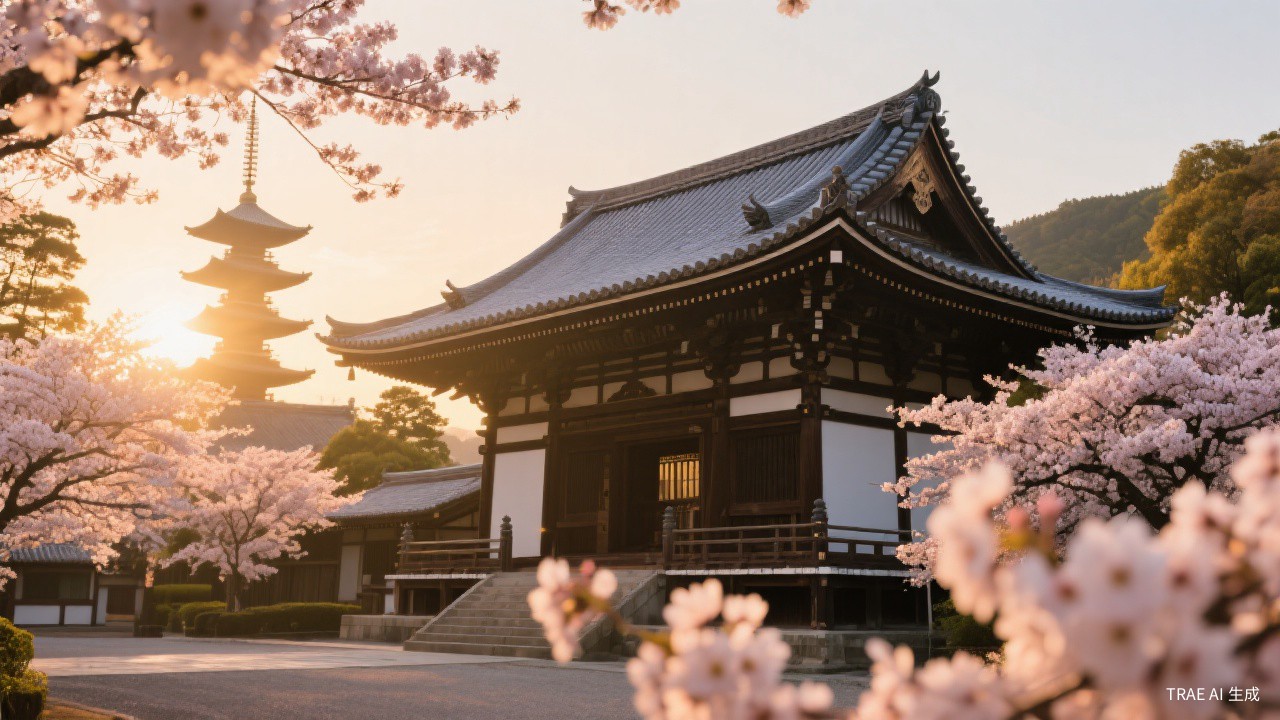
Why Visit Kyoto
Kyoto served as the imperial capital of Japan for more than a thousand years, from 794 until the Meiji Restoration in 1868, and this extraordinary legacy is woven into every aspect of the city. With over 2,000 temples and shrines, 17 UNESCO World Heritage Sites, and a preserved architectural heritage that survived the wartime bombing that devastated other Japanese cities, Kyoto offers an unparalleled window into traditional Japanese culture. The city is home to some of Japan's most iconic visual landmarks, from the golden pavilion of Kinkaku-ji to the vermillion torii gates of Fushimi Inari Shrine.
Beyond its famous monuments, Kyoto is a living city where ancient traditions continue to thrive in daily life. The art of the tea ceremony, ikebana flower arranging, Noh theater, and kimono wearing are not merely tourist attractions but practices maintained by dedicated communities of practitioners. The city's seasonal calendar revolves around traditional events such as the Gion Matsuri in July, one of Japan's most famous festivals, and the spectacular illumination events held at temples during autumn and spring. Visitors who take the time to engage with these living traditions often find their Kyoto experience far more rewarding than those who simply check off a list of famous sights.
Kyoto's geography contributes significantly to its beauty and character. The city sits in a basin surrounded by mountains on three sides, with the Kamo and Katsura rivers flowing through its center. This natural setting provides stunning backdrops for the city's temples and gardens, particularly during cherry blossom season in spring and the autumn foliage season. The Higashiyama Eastern Hills district, with its narrow lanes and wooden machiya townhouses, offers some of the most atmospheric strolling in all of Japan, especially in the early morning or evening when crowds thin out.
The culinary tradition of Kyoto, known as Kyo-ryori, is considered among the most refined in Japan and emphasizes seasonal ingredients presented with exquisite attention to aesthetics. Kyoto cuisine developed in close connection with the tea ceremony and Buddhist temple traditions, resulting in dishes that are as beautiful to look at as they are delicious to eat. The city is also famous for kaiseki ryori, the multi-course haute cuisine of Japan that balances taste, texture, and appearance in a carefully choreographed progression of small dishes. A single kaiseki meal in Kyoto can be one of the most memorable dining experiences of a lifetime.
Must-Visit Temples
Kinkaku-ji, universally known as the Golden Pavilion, is perhaps Kyoto's most photographed landmark and for good reason. The top two floors of this Zen Buddhist temple are completely covered in brilliant gold leaf, creating a shimmering reflection in the mirror pond that surrounds it. Originally built in 1397 as a retirement villa for Shogun Ashikaga Yoshimitsu, the structure was tragically burned down by a disturbed monk in 1950 and meticulously reconstructed in 1955. The surrounding garden is considered one of the finest examples of Muromachi-period garden design, with carefully placed rocks and pruned pines creating a landscape that seems to exist outside of time.
Fushimi Inari Taisha is Kyoto's most visited shrine, famous for its seemingly endless corridors of vermillion torii gates that wind up the forested slopes of Mount Inari. The shrine is dedicated to Inari, the Shinto god of rice and prosperity, and the thousands of torii gates have been donated over the centuries by businesses and individuals seeking blessings. The full hike to the summit of Mount Inari and back takes approximately two to three hours, passing dozens of smaller shrines, fox statues, and panoramic viewpoints along the way. Arriving early in the morning, ideally before 7:00 AM, allows you to experience the most atmospheric sections of the trail without the heavy crowds that build later in the day.
Kiyomizu-dera, perched on the hillside of eastern Kyoto, is a UNESCO World Heritage Site celebrated for its massive wooden stage that juts out from the main hall without a single nail used in its construction. The temple, whose name means "Pure Water Temple," takes its name from the Otowa Waterfall at the base of the main hall, where visitors drink from three streams said to confer longevity, success in school, and luck in love. The approach to Kiyomizu-dera along Ninenzaka and Sannenzaka, two of Kyoto's best-preserved historic streets, is lined with traditional shops selling pottery, sweets, and souvenirs. The temple is particularly stunning during the spring and autumn illumination events when it is lit up against the night sky.
Ryoan-ji, another UNESCO World Heritage Site, is home to Japan's most famous rock garden and a masterpiece of Zen Buddhist aesthetic philosophy. The garden consists of a rectangular plot of white raked gravel containing 15 stones arranged in five groups of three, surrounded by a low earthen wall. The ingenious design is such that no matter where you sit along the viewing platform, you can never see all 15 stones at once, a feature that has inspired endless philosophical interpretation. The temple grounds also include a beautiful pond garden, one of the oldest in Kyoto, which provides a contrasting aesthetic of lush greenery and water to the austere minimalism of the rock garden.
Geisha Culture
Kyoto's geisha, known locally as geiko, and their apprentice counterparts called maiko represent one of Japan's most iconic and misunderstood cultural traditions. The Gion district, particularly the area around Hanamikoji Street, is the most famous geisha district in Kyoto and offers the best chance of spotting these elaborately dressed entertainers on their way to evening appointments. Geiko are highly trained professional entertainers who have spent years mastering traditional arts including classical dance, music, conversation, and tea ceremony. They are not, as is commonly misunderstood, courtesans but rather artists who preserve and perform cultural traditions that date back centuries.
The training of a maiko typically begins at age 15 or 16, after completing junior high school, and involves a rigorous apprenticeship of approximately five years before she becomes a fully fledged geiko. During this period, maiko live in okiya, or geisha houses, where they are trained by senior geiko and learn the intricate social customs and performance skills required by the profession. The distinctive white makeup, elaborate hairstyles with decorative hairpins called kanzashi, and colorful kimono of a maiko are different from the more understated appearance of a geiko. Each element of their dress follows strict conventions that communicate their status, experience, and the season.
Visitors to Kyoto have several opportunities to engage with geisha culture in respectful and authentic ways. The Gion Corner in the Gion district offers nightly performances showcasing traditional arts including maiko dance, tea ceremony, flower arrangement, and puppet theater. Several teahouses and restaurants in Gion and Pontocho offer dinner packages that include a maiko or geiko performance, though these tend to be expensive and require advance reservations. For a more accessible experience, the Kamishichiken Kaburenjo Theater in the Kamishichiken district occasionally holds public performances and events where visitors can interact with maiko.
It is important for visitors to understand the etiquette surrounding geisha culture in Kyoto. Geiko and maiko are working professionals who are typically rushing to appointments in the evening, and chasing them through the streets for photographs is strongly discouraged. The Gion district has even posted signs in multiple languages asking visitors not to follow geiko. Instead, visitors can attend organized cultural experiences, visit the Gion Hatanaka ryokan which hosts maiko evenings, or simply appreciate the architecture and atmosphere of the historic geisha districts during daytime strolls when the streets are quiet and photogenic.
Seasonal Highlights
Spring in Kyoto, from late March through mid-April, is defined by the cherry blossom season which transforms the city into a dreamscape of pink and white. The Philosopher's Path, a scenic canal-side walkway connecting Ginkaku-ji and Nanzen-ji temples, becomes one of the most beautiful cherry blossom viewing spots in all of Japan. Maruyama Park, located adjacent to Yasaka Shrine, comes alive with food stalls, lanterns, and revelers celebrating beneath the illuminated branches of a massive weeping cherry tree. The blossoms typically peak in the first week of April, though the exact timing varies each year based on weather conditions.
Autumn foliage season, from mid-November through early December, is when Kyoto arguably looks its most magnificent. The city's temples and gardens are framed by blazing maples, ginkgo trees, and other deciduous species that create a tapestry of red, orange, and gold. Eikando Temple is renowned for its reflection of red maples on the surface of Hojo Pond, while Tofuku-ji Temple's Tsutenkyo Bridge offers a bird's-eye view of a valley filled with autumn color. During this period, many temples extend their opening hours for special nighttime illuminations, allowing visitors to see the foliage dramatically lit against the dark sky.
Summer in Kyoto is notoriously hot and humid, with temperatures often exceeding 35 degrees Celsius in July and August, but the season brings its own cultural treasures. The Gion Matsuri, spanning the entire month of July, is one of Japan's greatest festivals and features massive ornate floats called yamaboko that are paraded through the city streets. The festival dates back over a thousand years and culminates in the Grand Procession on July 17th and the second procession on July 24th. Summer is also the season for kawadoko, riverside dining platforms built along the Kamo River and in the Arashiyama district, where diners can enjoy meals while cooled by the flowing water.
Winter in Kyoto, while cold, offers a serene and contemplative beauty with far fewer tourists crowding the temples and gardens. Light dustings of snow occasionally blanket the city, creating breathtaking scenes at places like Kinkaku-ji and Tofuku-ji where the contrast between white snow and colorful architecture is particularly striking. The New Year period, from December 31st through January 3rd, is one of the most important times in the Japanese calendar, and visiting a temple for hatsumode, the first shrine visit of the year, is a deeply meaningful cultural experience. Kyoto's temples ring their bells 108 times on New Year's Eve in a Buddhist tradition called joya no kane, symbolizing the purification of 108 worldly desires.
Kyoto Cuisine
Kaiseki ryori is the crown jewel of Kyoto's culinary tradition and represents the pinnacle of Japanese haute cuisine. A typical kaiseki meal consists of a carefully sequenced series of small dishes, each highlighting seasonal ingredients at their peak of flavor and visual appeal. The progression typically includes an appetizer, sashimi, a simmered dish, a grilled dish, a steamed course, and a final rice course, with each dish served on specially chosen tableware that complements the colors and themes of the food. Kaiseki restaurants range from exclusive establishments requiring reservations months in advance to more accessible options in the Gion and Pontocho districts.
Nishiki Market, often called "Kyoto's Kitchen," is a five-block-long covered shopping street in the heart of the city that has been serving the local population for over 400 years. The market houses more than 100 shops and restaurants selling everything from fresh seafood and pickled vegetables to Japanese sweets and specialty kitchen knives. Sampling your way through Nishiki Market is one of the best ways to experience the breadth of Kyoto's food culture in a single visit. Must-try items include yuba, the delicate tofu skin that is a Kyoto specialty, tsukemono pickled vegetables, and fresh mochi rice cakes.
Kyoto is famous for its tofu dishes, a tradition that developed in close connection with the city's many Buddhist temples where vegetarian cuisine has been refined over centuries. Yudofu, or hot tofu, is a Kyoto specialty consisting of silky blocks of tofu simmered in a light kelp broth and served with a dipping sauce of ponzu and grated daikon. The Arashiyama and Nanzen-ji areas are particularly known for their yudofu restaurants, many of which are set in traditional wooden buildings with garden views. Other notable tofu preparations include ganmodoki, deep-fried tofu patties mixed with vegetables, and nama-fu, wheat gluten that has a uniquely chewy texture.
Matcha, the finely ground powdered green tea that is central to the Japanese tea ceremony, has been produced in the nearby Uji region for over 800 years and is deeply woven into Kyoto's food culture. Beyond the traditional tea ceremony, matcha flavors everything from ice cream and lattes to wagashi, the exquisite traditional sweets that are designed to complement the bitter taste of green tea. The Uji district, located south of Kyoto, offers tea plantation tours, tasting sessions, and the opportunity to purchase high-quality matcha directly from producers. In Kyoto city, shops like Itoh Kyuemon and Nakamura Tokichi serve matcha desserts and meals that showcase the versatility of this remarkable ingredient.
Getting Around
Kyoto's public transportation system is anchored by an efficient network of buses and two subway lines that connect most major tourist destinations. The Karasuma Line runs north-south through the city center, while the Tozai Line runs east-west, and the two lines intersect at Karasuma Oike Station. Buses are the primary mode of transport for reaching many of Kyoto's temples and shrines, with the flat-fare system making it simple to use. A one-day bus pass costing 700 yen provides unlimited rides on city buses within the designated zone and quickly pays for itself after just a few trips.
The most convenient option for tourists is the Kyoto City Bus One-Day Card combined with an IC card like ICOCA for subway and private rail journeys. Many of Kyoto's most popular attractions, including Kinkaku-ji, Kiyomizu-dera, and Gion, are accessible by bus, though the system can be slow during peak tourist seasons when buses become crowded. For reaching destinations on the outskirts of the city, such as Arashiyama in the west or Fushimi Inari in the south, the JR Nara Line and Keihan and Hankyu private railway lines are often faster and more comfortable than buses.
Cycling is an excellent way to explore Kyoto, as the city is largely flat and many of its most scenic areas are connected by pleasant riverside paths and quiet residential streets. Numerous rental shops throughout the city offer bicycles for approximately 1,000 yen per day, with electric-assist bicycles available for those who want help with hills. The path along the Kamo River from north to south is particularly enjoyable for cycling, offering views of the water, bridges, and seasonal foliage. Many hotels and guesthouses also provide bicycles for their guests, sometimes at no additional charge.
Taxis are readily available throughout Kyoto and can be a practical option for small groups or when traveling to destinations not well served by public transport. Fares start at approximately 500 yen for the first two kilometers, with a meter that increases incrementally based on distance and time. For destinations within the city center, taxis are generally affordable, but fares can add up quickly for longer journeys to places like Arashiyama or Ohara. Ride-hailing services are limited in Kyoto compared to Tokyo, so hailing a taxi on the street or calling one through your hotel is usually the most reliable approach.
Traveler's Tip
Always check the latest travel advisories and entry requirements before planning your trip. Requirements can change, so verify visa policies, health recommendations, and safety guidelines with official government sources before you go.
Related Articles
 Asia
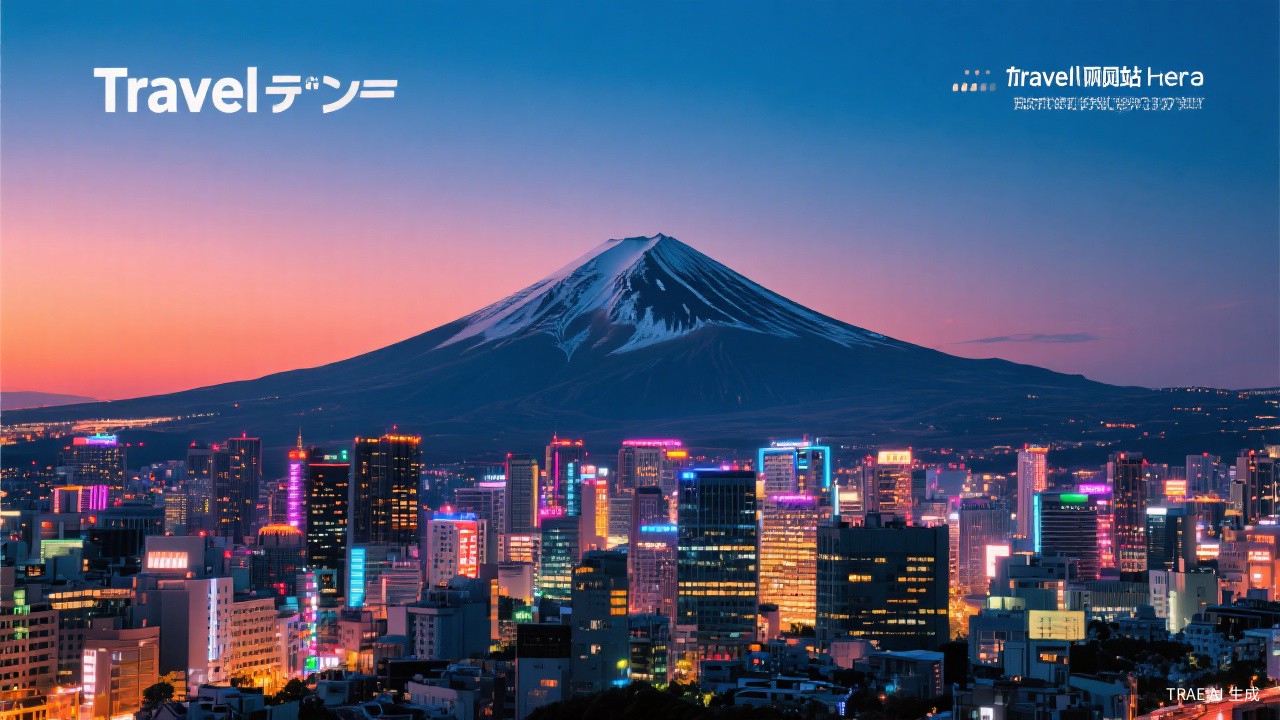
AsiaThe Ultimate Tokyo Travel Guide: From First-Timer to Expert
Tokyo is a dazzling metropolis where centuries-old traditions coexist with cutting-edge technology. This comprehensive guide covers everything you need to plan an unforgettable trip to Japan's dynamic capital.
 Asia
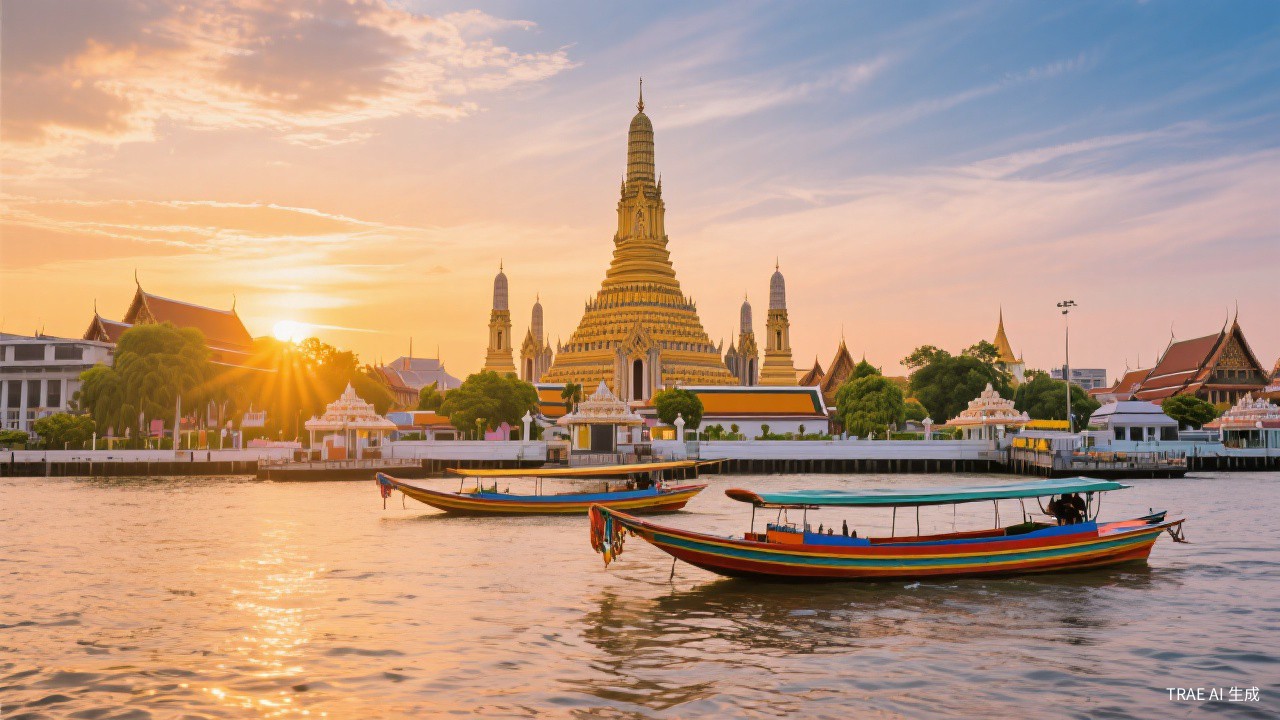
AsiaBangkok In-Depth: Temples, Street Food, and Night Market Culture
Bangkok is a city of contrasts where ornate temples stand beside gleaming skyscrapers and ancient traditions thrive alongside modern urban life. This guide explores the best of Thailand's vibrant capital.
 Asia
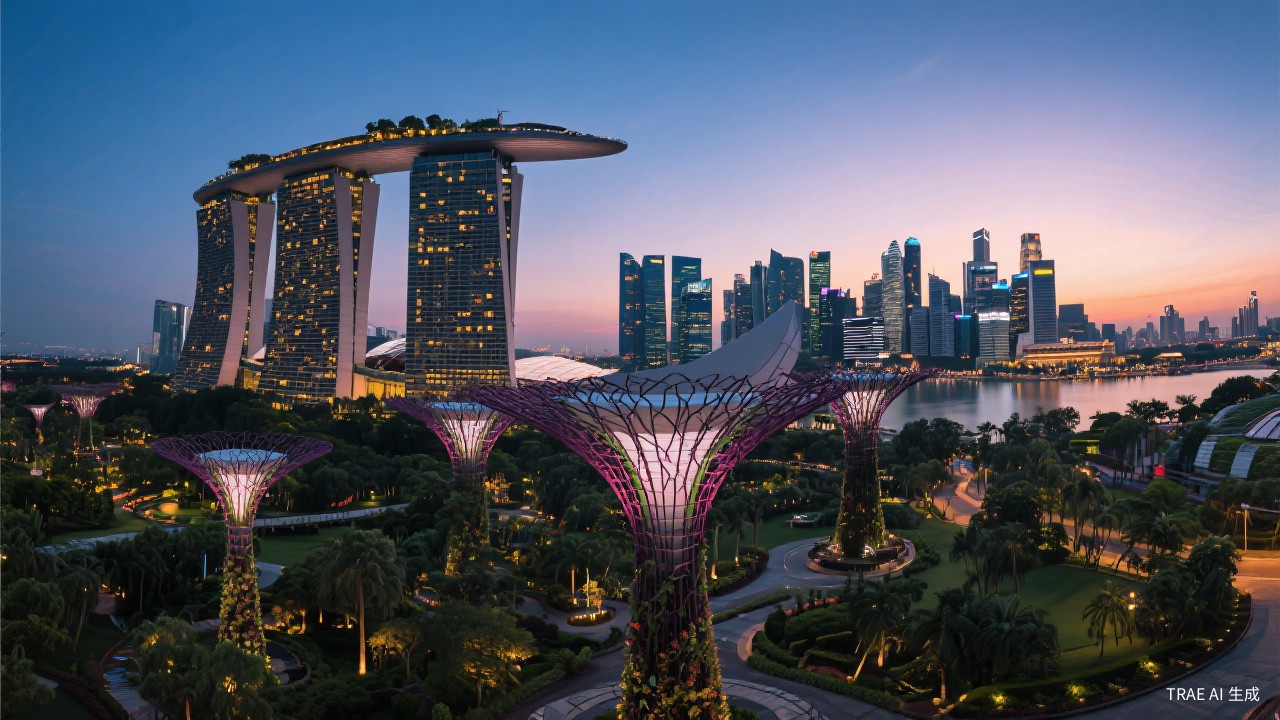
AsiaSingapore Travel Guide: A Modern City-State of Wonders
Singapore is a tiny island nation that punches far above its weight, offering world-class attractions, extraordinary culinary diversity, and immaculate urban design. This guide covers everything you need to know.