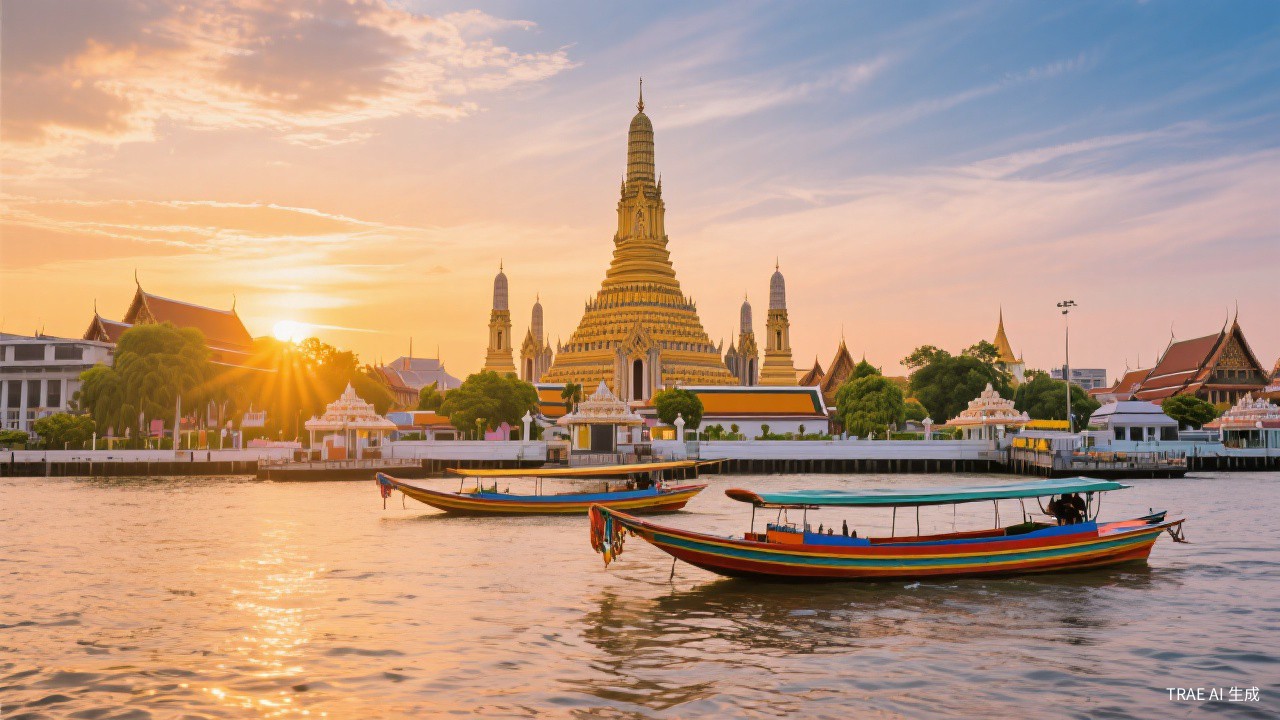
Welcome to Bangkok
Bangkok, known in Thai as Krung Thep Maha Nakhon, is a sprawling metropolis of approximately 10 million people that serves as the political, economic, and cultural heart of Thailand. The city was founded in 1782 by King Rama I when he moved the capital across the Chao Phraya River from Thonburi, establishing the Chakri Dynasty that continues to reign today. Bangkok has grown from a small trading post into one of Southeast Asia's most dynamic cities, a place where ancient Buddhist traditions coexist with a relentless pace of modernization. The city's full ceremonial name, which stretches to 168 characters, is recognized by Guinness World Records as the longest place name on Earth.
The Chao Phraya River, often called the River of Kings, is the lifeblood of Bangkok and divides the city into its two historic halves. The east bank contains the modern commercial center with its skyscrapers, shopping malls, and entertainment districts, while the west bank, known as Thonburi, retains a more relaxed atmosphere with its network of canals called khlongs. Exploring Bangkok by boat, whether on the public Chao Phraya Express Boat or a long-tail boat through the canals, provides a unique perspective on the city and reveals a side of Bangkok that most visitors never see from the roads.
Bangkok's climate is tropical and consistently warm throughout the year, with average temperatures ranging from 28 to 35 degrees Celsius. The city experiences three distinct seasons: the hot season from March to June, the rainy season from July to October, and the cool season from November to February. The cool season is generally considered the best time to visit, with lower humidity, comfortable temperatures, and minimal rainfall making outdoor sightseeing far more pleasant. However, Bangkok is truly a year-round destination, and even during the rainy season, downpours are typically brief and followed by sunshine.
What makes Bangkok such a compelling destination for travelers is the sheer intensity and variety of experiences available within a relatively compact area. In a single day, you can marvel at the gilded spires of the Grand Palace, bargain for souvenirs at a sprawling weekend market, receive a world-class Thai massage, and feast on some of the best street food on the planet. The city's energy is infectious, its people are genuinely welcoming, and the cost of travel is remarkably low compared to other major world capitals. Whether you are a budget backpacker or a luxury traveler, Bangkok has something extraordinary to offer.
Must-See Temples
The Grand Palace and Wat Phra Kaew, also known as the Temple of the Emerald Buddha, form the most sacred and spectacular temple complex in Thailand. Construction of the Grand Palace began in 1782 when King Rama I established Bangkok as the new capital, and the complex served as the official residence of the Thai kings for over 150 years. The Temple of the Emerald Buddha houses the revered Emerald Buddha, a small jadeite statue that is considered the palladium of the Kingdom of Thailand. The dress code is strictly enforced, with visitors required to cover their shoulders and knees, and the complex is closed to the public during royal ceremonies.
Wat Pho, located adjacent to the Grand Palace, is one of the oldest and largest temples in Bangkok and home to the famous Reclining Buddha. This colossal gold-plated statue measures 46 meters in length and 15 meters in height, making it one of the largest Buddha images in Thailand. The soles of the Buddha's feet are inlaid with mother-of-pearl illustrations of the 108 auspicious characteristics of the Buddha. Wat Pho is also considered the birthplace of traditional Thai massage, and the temple still operates a massage school where visitors can receive authentic treatments at reasonable prices.
Wat Arun, the Temple of Dawn, is one of Bangkok's most iconic landmarks, rising dramatically from the west bank of the Chao Phraya River. The temple's central prang, or tower, stands 79 meters tall and is decorated with colorful porcelain fragments that were originally used as ballast by Chinese trading ships. Climbing the steep steps of the central prang rewards visitors with panoramic views of the river and the Bangkok skyline, particularly stunning at sunset. The temple is especially beautiful when illuminated at night, and the best photographs are typically taken from the east bank of the river across from Wat Arun.
Wat Benchamabophit, commonly known as the Marble Temple, is one of Bangkok's most elegant religious structures and a favorite among visitors for its refined architectural beauty. Constructed during the reign of King Chulalongkorn, Rama V, the temple is built from white Carrara marble imported from Italy and features a magnificent ordination hall with a multi-tiered roof. The temple courtyard contains 52 bronze Buddha images representing different styles from across Thailand and other Buddhist countries. Wat Benchamabophit is less crowded than the Grand Palace and Wat Pho, making it an excellent choice for a more peaceful temple experience.
Street Food
Bangkok is widely regarded as one of the street food capitals of the world, with an estimated 20,000 street food vendors operating across the city. The tradition of street eating in Bangkok dates back centuries and is deeply embedded in Thai culture, with many Thais consuming the majority of their meals from street-side stalls rather than cooking at home. The quality of Bangkok's street food is remarkably high, with many vendors specializing in a single dish that they have perfected over decades or even generations. Eating at street stalls is also extraordinarily affordable, with most dishes costing between 40 and 80 baht, roughly one to three US dollars.
Yaowarat Road in Bangkok's Chinatown is arguably the single best street food destination in the city, and possibly in all of Southeast Asia. The street comes alive after dark when hundreds of vendors set up their stalls along the road and in the surrounding alleys, creating a sensory overload of sizzling woks, aromatic spices, and colorful displays of food. Signature dishes include kuay teow kua gai, charred rice noodles with chicken, roasted duck, and various seafood preparations displayed on ice. The energy of Yaowarat at night is electric, with crowds of locals and tourists jostling for space at the most popular stalls.
Pad Thai, Thailand's most famous dish, was popularized as a national dish during the 1930s and 1940s as part of a government campaign to promote Thai identity and reduce rice consumption. The best pad thai in Bangkok is found at small street-side wok stations where cooks toss rice noodles with eggs, tofu, shrimp, bean sprouts, and tamarind sauce over blazing flames. Thip Samai, located near the Giant Swing, is one of the most famous pad thai shops in Bangkok, known for its "superb" version wrapped in a thin egg crepe. The dish is typically served with crushed peanuts, lime wedges, and fresh chili flakes on the side.
For those who want to learn the secrets of Thai cuisine, Bangkok offers numerous cooking classes that begin with a guided tour of a local market to select fresh ingredients. Classes typically teach students to prepare three to five dishes, with popular choices including green curry, tom yum soup, mango sticky rice, and som tam green papaya salad. The Silom Thai Cooking School and the Bangkok Thai Cooking Academy are among the most well-regarded options, offering half-day and full-day programs suitable for beginners and experienced cooks alike. Taking a cooking class not only teaches you valuable culinary skills but also deepens your appreciation for the complexity and balance of flavors in Thai cuisine.
Floating Markets
Bangkok's floating markets are among the most iconic images of Thailand, offering a glimpse into a traditional way of life that has been practiced along the country's waterways for centuries. These markets originated as commercial hubs where farmers and traders would bring their goods by boat to sell directly to local residents along the canals. While many floating markets have become heavily touristed in recent decades, they remain a vibrant and colorful part of Bangkok's cultural landscape. The experience of buying fresh fruit, coconut pancakes, or boat noodles directly from a vendor paddling a wooden boat is uniquely Thai and thoroughly memorable.
Damnoen Saduak Floating Market, located approximately 100 kilometers southwest of Bangkok in Ratchaburi Province, is the largest and most famous floating market in Thailand. The market is busiest in the early morning from 7:00 to 9:00 AM, when hundreds of vendors in wooden long-tail boats crowd the narrow canals selling fresh produce, cooked food, and handicrafts. While the market has become quite commercialized, the visual spectacle of colorfully dressed vendors navigating their boats through the crowded waterways is undeniably photogenic. Most tour operators in Bangkok offer half-day trips to Damnoen Saduak, typically departing around 6:30 AM to arrive in time for the most active period.
Khlong Lat Mayom Floating Market offers a more authentic and less touristy alternative to Damnoen Saduak, attracting primarily local Bangkok residents who come for the fresh produce and prepared foods. Located in the Taling Chan district of Bangkok, this market operates on weekends and features vendors selling homemade Thai desserts, grilled seafood, and traditional herbal drinks. The market has a relaxed, community atmosphere with live music performances and seating areas where visitors can enjoy their purchases along the canal. Khlong Lat Mayom also offers boat tours through the surrounding orchards and gardens, providing a pleasant escape from the urban intensity of central Bangkok.
For visitors who want to experience a floating market without leaving central Bangkok, the Khlong Bang Luang Artist Village market on weekends provides a charming alternative. This small floating market is set in a historic canal-side community that has been revitalized as an arts and culture district. Vendors sell artisanal products, handmade crafts, and creative Thai dishes alongside contemporary art galleries and traditional wooden houses. The market is easily accessible by boat from the Sathorn Pier area and offers a peaceful, culturally rich experience that feels far removed from the tourist crowds of the larger floating markets.
Shopping
Chatuchak Weekend Market is one of the largest open-air markets in the world, with more than 15,000 stalls spread across 35 acres attracting an estimated 200,000 visitors each weekend. The market is divided into 27 sections, each specializing in different categories of goods including antiques, vintage clothing, handmade jewelry, ceramics, plants, pets, and Thai silk. Navigating Chatuchak can be overwhelming for first-time visitors, so it is best to arrive early, wear comfortable shoes, and bring plenty of water. Bargaining is expected and part of the fun, with vendors typically quoting prices 20 to 40 percent above what they will ultimately accept.
Bangkok's modern shopping scene rivals any city in Asia, with massive air-conditioned malls offering everything from luxury international brands to cutting-edge Thai fashion. Siam Paragon is one of the most prestigious shopping centers, housing designer boutiques, a multiplex cinema, and an impressive aquarium in the basement. CentralWorld, connected to Siam by an elevated walkway, is one of the largest shopping malls in Southeast Asia with over 500 stores and a vast food court. The Siam area, served by the BTS Skytrain, is the epicenter of Bangkok's retail scene and can easily occupy a full day of shopping and exploration.
The Srinagarindra Train Night Market, commonly known as Talad Rot Fai, is Bangkok's trendiest night market and a must-visit for vintage enthusiasts and lovers of unique finds. The market occupies a large area near the Sri Nakharin Road and features hundreds of stalls selling retro furniture, vintage clothing, antique collectibles, and handmade crafts. The food section is outstanding, with vendors serving creative Thai dishes, craft beers, and artisanal desserts in a lively atmosphere enhanced by live music and string lights. The market is open on weekends from late afternoon until midnight and is particularly popular with Bangkok's younger generation.
Pratunam Market is Bangkok's premier destination for wholesale clothing and accessories, offering rock-bottom prices on fashion items for those willing to buy in bulk. Even individual buyers can find excellent deals on trendy clothing, bags, and shoes, with prices dropping significantly if you purchase multiple items from the same vendor. The market is a maze of narrow lanes and multi-story buildings, with the Platinum Fashion Mall offering a more organized air-conditioned shopping experience nearby. Pratunam is best visited in the morning when vendors are setting up and the heat is less intense, and bargaining is essential to get the best prices.
Getting Around
The BTS Skytrain and MRT subway are the backbone of Bangkok's modern public transportation system and the most efficient way to navigate the city's worst traffic congestion. The BTS, easily identified by its elevated tracks, operates two main lines: the Sukhumvit Line running north-south and the Silom Line running from the National Stadium to the Chao Phraya River. The MRT subway runs underground and complements the BTS network, with interchange stations at Asok, Sala Daeng, and Mo Chit. Both systems are clean, air-conditioned, and easy to navigate, with station signs and announcements in both Thai and English.
The Chao Phraya Express Boat service provides an affordable and scenic way to travel along the river, stopping at major attractions including the Grand Palace, Wat Arun, and the Saphan Taksin BTS station. The boat service operates from early morning until evening with several different routes and fare levels. The tourist boat, identified by a blue flag, is the most convenient option for visitors as it stops at all major piers and includes English-language announcements. Riding the express boat during rush hour provides a fascinating glimpse into the daily commute of thousands of Bangkok residents who rely on the river as their primary mode of transport.
Tuk-tuks, the three-wheeled motorized vehicles that are synonymous with Thailand, are a fun but potentially expensive way to get around Bangkok. While they can navigate through traffic more quickly than taxis in some situations, tuk-tuk drivers are notorious for overcharging tourists and may try to divert passengers to gem or tailor shops where they receive commissions. If you choose to ride a tuk-tuk, always negotiate the fare before starting the journey and be firm about refusing any shopping detours. For short hops in areas not well served by the BTS or MRT, tuk-tuks can be an enjoyable and practical option when used with awareness.
Ride-hailing applications have transformed transportation in Bangkok, with Grab being the most widely used platform alongside the local service Bolt. These apps provide transparent pricing, eliminate the need to negotiate fares, and allow you to track your driver's approach in real time. Grab offers car, motorcycle taxi, and tuk-tuk options, with motorcycle taxis being the fastest way to beat Bangkok's notorious traffic during peak hours. The apps also offer food delivery services, which can be convenient for enjoying restaurant-quality meals in your hotel room after a long day of sightseeing.
Traveler's Tip
Always check the latest travel advisories and entry requirements before planning your trip. Requirements can change, so verify visa policies, health recommendations, and safety guidelines with official government sources before you go.
Related Articles
 Asia
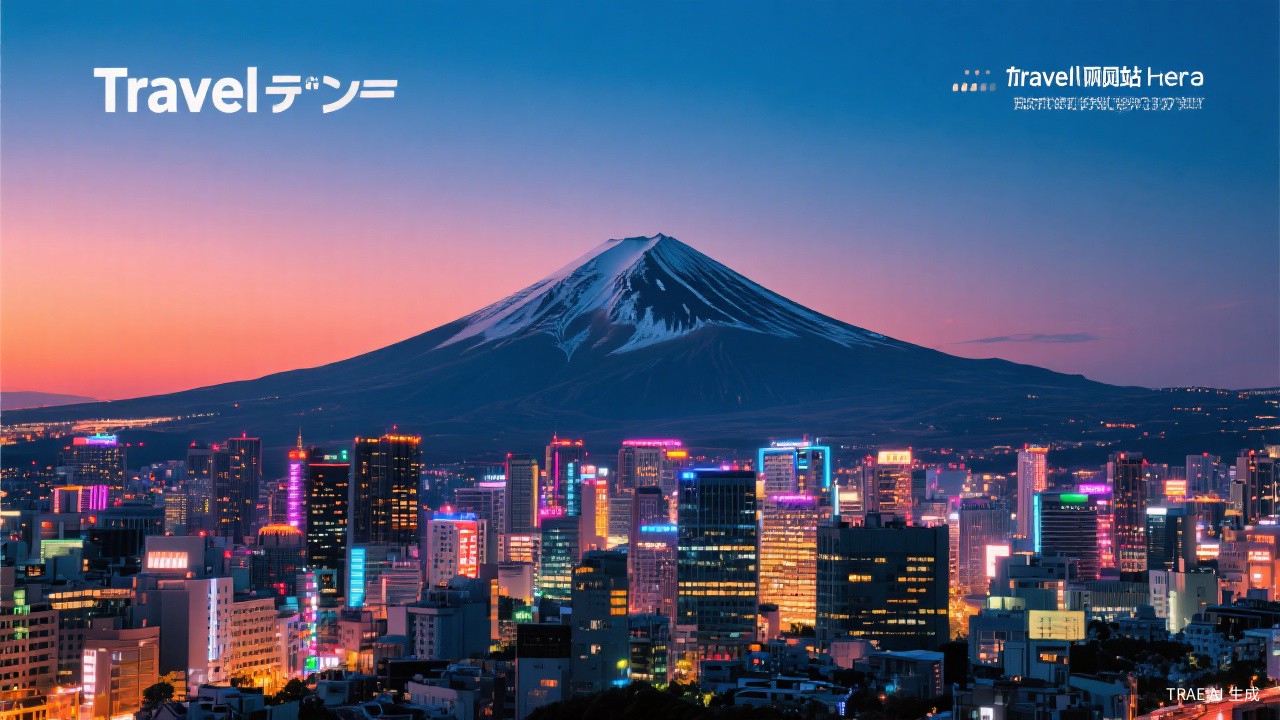
AsiaThe Ultimate Tokyo Travel Guide: From First-Timer to Expert
Tokyo is a dazzling metropolis where centuries-old traditions coexist with cutting-edge technology. This comprehensive guide covers everything you need to plan an unforgettable trip to Japan's dynamic capital.
 Asia
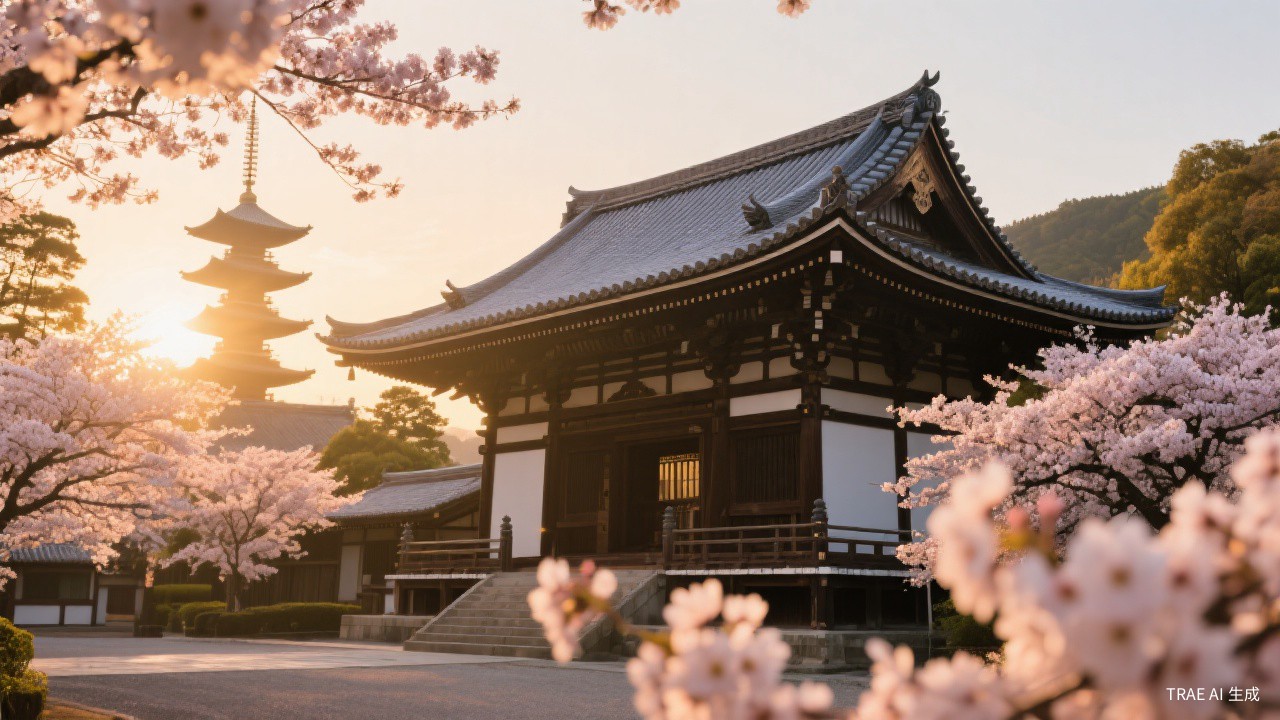
AsiaKyoto Travel Guide: Exploring Japan's Ancient Capital
Kyoto is the cultural heart of Japan, home to over 2,000 temples and shrines, exquisite gardens, and living traditions that have been preserved for over a millennium. This guide reveals the best ways to experience this extraordinary city.
 Asia
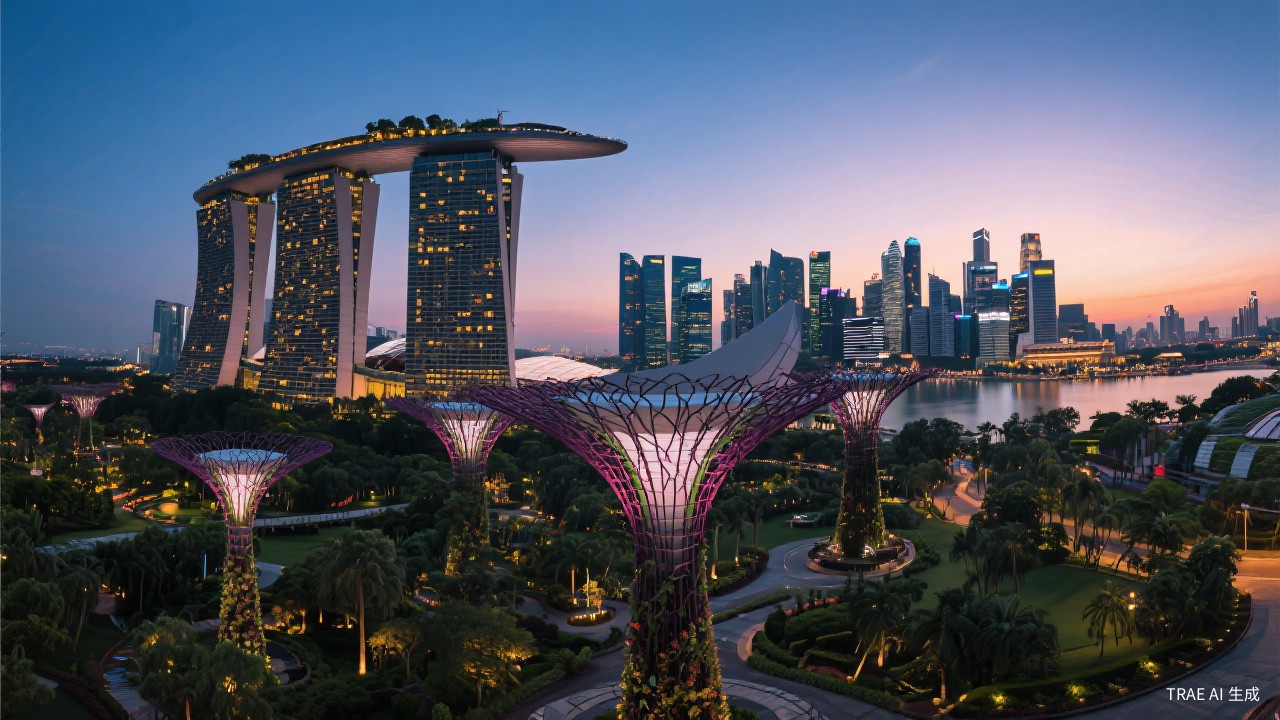
AsiaSingapore Travel Guide: A Modern City-State of Wonders
Singapore is a tiny island nation that punches far above its weight, offering world-class attractions, extraordinary culinary diversity, and immaculate urban design. This guide covers everything you need to know.